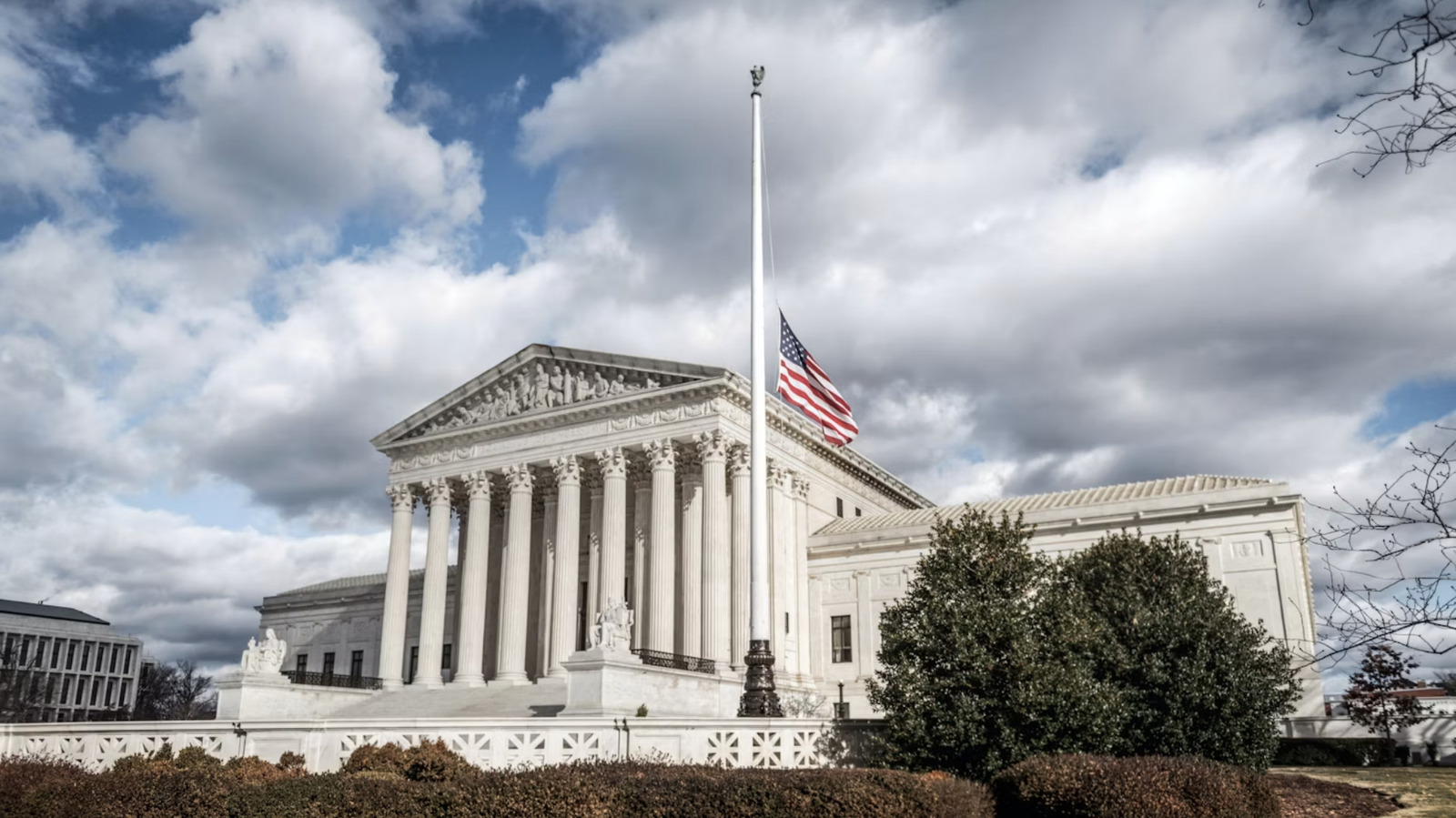
US Supreme Court Limits Geofence Warrants for Law Enforcement
The US Supreme Court has ruled that law enforcement agencies must obtain a search warrant to access geofence location data from tech companies, limiting the use of this technique in investigations. The 6-3 ruling protects individual privacy rights and has significant implications for law enforcement across the country.
Key points
- The US Supreme Court has restricted the use of geofence warrants by law enforcement agencies, requiring them to obtain a search warrant to access location data from tech companies.
- The ruling, in a 6-3 decision, protects individual privacy rights and limits the use of geofence searches in investigations.
- Geofence warrants allow law enforcement to access location data from millions of users based on their proximity to a crime scene.
- The case involves a robbery in Virginia where detectives used a geofence warrant to obtain location data from Google, leading to the arrest of the perpetrator.
- The Supreme Court ruled that individuals have a reasonable expectation of privacy in their cell-phone location information, making geofence warrants a violation of the Fourth Amendment.
The US Supreme Court has made a significant ruling in a case that has major implications for individual privacy rights and law enforcement techniques. In a 6-3 decision, the court has restricted the use of geofence warrants by law enforcement agencies, requiring them to obtain a search warrant to access location data from tech companies.
This ruling has significant implications for law enforcement across the country, as geofence warrants have been used in numerous investigations in recent years. The technique allows law enforcement to access location data from millions of users based on their proximity to a crime scene, without the need for a search warrant.
The case that led to this decision involves a robbery in Virginia, where detectives used a geofence warrant to obtain location data from Google. They obtained location information of cellphone users near the bank for the hour before and after the crime was committed, and Google pushed back by providing the police with just three of the 19 people tagged as being near the bank. However, one of these three ended up being the culprit.
The Supreme Court ruled that individuals have a reasonable expectation of privacy in their cell-phone location information, making geofence warrants a violation of the Fourth Amendment. This ruling has significant implications for the use of geofence warrants in investigations and will likely have a major impact on law enforcement techniques in the future.
In a statement, Justice Elena Kagan said that geofence warrants violate the Fourth Amendment's prohibition against unreasonable searches. The court's ruling is a significant victory for individual privacy rights and will likely have far-reaching implications for law enforcement agencies across the country.
Sources
The WireByte editorial team synthesises technology news from multiple primary sources, verifies the facts, and links every source. Articles are produced with AI assistance and reviewed under our editorial policy.