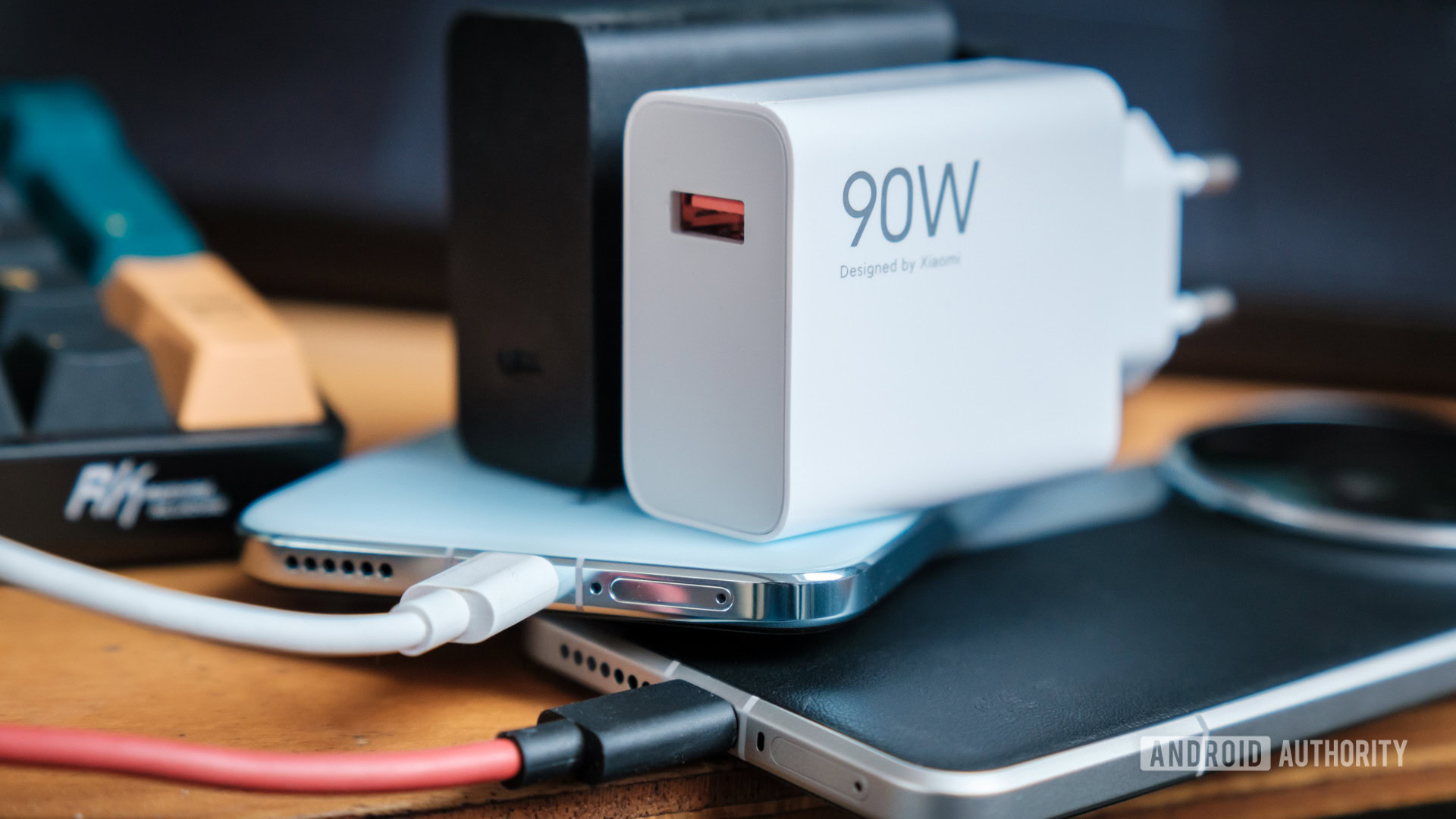
USB-C Charger Specs Matter
USB-C chargers may not charge devices optimally due to varying specs, affecting performance and compatibility
Key points
- USB-C and USB Power Delivery aim to standardize charging, but differences in specs can cause slow charging
- The EU has introduced regulations to ensure universal compatibility, but pitfalls remain
- Choosing the right power level, protocol compatibility, and understanding power split across ports is crucial
- Most recent smartphones support USB Power Delivery and its PPS extension for faster charging
- Incompatible chargers can result in sluggish charge times, emphasizing the need for careful selection
The universal adoption of USB-C has simplified charging for many devices, but the reality is more complex. With various specs and standards, choosing the right charger can be daunting. USB Power Delivery and its PPS extension aim to provide faster charging, but compatibility issues can arise. The EU's regulations have helped standardize charging, but differences in charger specs can still cause problems. To avoid slow charging, it's essential to select a charger that supports the same standards as your device.
Sources
The WireByte editorial team synthesises technology news from multiple primary sources, verifies the facts, and links every source. Articles are produced with AI assistance and reviewed under our editorial policy.