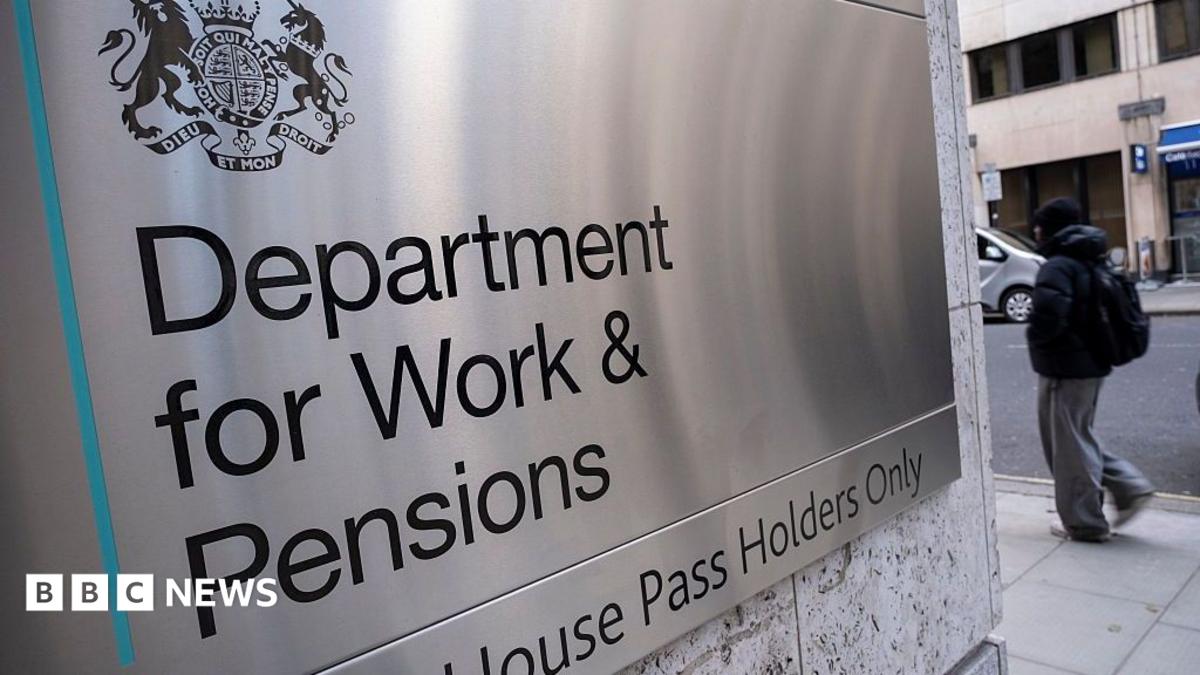
UK Benefits Systems Remain Offline Following Suspected Cyberattack
The UK Department for Work and Pensions (DWP) has kept online benefits and pensions services offline since Thursday following a cyber incident. While the government assures payments continue, experts suspect a hacking attack forced the shutdown. Delays reported by claimants are not linked to the outage, but security specialists warn the breach may have compromised sensitive data.
Key points
- The UK Department for Work and Pensions (DWP) has kept its online services offline since late Thursday due to a suspected cyber incident.
- Former UK chief technology officer David Knott and security expert John Curry suspect hackers targeted the department, prompting the shutdown.
- The government has assured claimants that regular benefit payments will continue, with delays attributed to factors other than the cyber incident.
- Security analysts suggest the DWP shut down systems to prevent data theft, potentially releasing limited information to obscure ongoing security work.
- Work and Pensions Secretary Pat McFadden has addressed the situation, though specific technical details of the breach remain undisclosed.
Services Disrupted by Suspected Breach
Online services for pensions and benefits in the United Kingdom remain inaccessible as of Saturday morning, following a significant cyber incident that forced the government to take critical systems offline. The Department for Work and Pensions (DWP) initiated the shutdown late on Thursday, citing a cyber incident as the cause. While the department has not explicitly confirmed a malicious attack, it has not ruled out the possibility that hackers were responsible for the disruption. The outage affects a wide range of citizen-facing services, causing confusion among users attempting to access their accounts.
Expert Analysis Points to Hacking
Security experts have expressed strong suspicions that the DWP was targeted by malicious actors. David Knott, the UK's former chief technology officer, told BBC Newsnight that his "strong suspicion" is that the department had been targeted by hackers. He noted that the decision to take down citizen-facing services implies a defensive measure against an attack launched through the front door of the system. This assessment aligns with the view of John Curry, a leading cyber security expert at Bath Spa University, who stated that the DWP had "almost certainly" detected hacking activity.
Strategic Shutdown to Prevent Data Theft
According to Curry, the shutdown was likely a necessary step to stop data from being stolen. He explained that if hackers had gained access to the computer systems, the best course of action is to "slam the front door shut" to contain the breach. Curry also suggested that the government's limited public communication might be deliberate. By releasing only minimal information, the authorities may be attempting to keep potential attackers in the dark, preventing them from gaining insights into the ongoing efforts to secure the sensitive systems.
Government Assurances on Payments
Despite the technical outage, the government has moved quickly to reassure the public that financial support remains intact. The DWP has assured benefits recipients and pensioners that usual payments will continue to be made. It is understood that the department believes any reported delays in payments are not linked to the cyber incident. This distinction is crucial for maintaining public trust, as many claimants rely on these funds for their livelihoods. The separation of payment processing from the online portal suggests that the core financial infrastructure may remain operational even while the digital interface is compromised.
Official Response and Ongoing Investigation
Work and Pensions Secretary Pat McFadden addressed the situation on Friday, providing updates to the public and parliament. While specific technical details of the breach have not been fully disclosed, the government's stance indicates a focus on containment and recovery. The lack of detailed information is consistent with standard cybersecurity protocols, which often restrict the release of specifics to avoid aiding adversaries. The DWP is likely working with cybersecurity firms to investigate the extent of the breach and restore services safely.
Impact on Public Trust and Digital Infrastructure
This incident highlights the vulnerabilities of critical government infrastructure and the challenges of maintaining secure digital services. The DWP manages a vast array of sensitive data, making it a prime target for cybercriminals. The shutdown, while disruptive, demonstrates a proactive approach to mitigating potential damage. However, the prolonged outage raises questions about the resilience of the department's digital systems and the effectiveness of its cybersecurity measures.
Next Steps for Recovery
As the investigation continues, the DWP is likely focused on restoring full functionality to its online services. The timeline for a complete return to normal operations remains unclear, as security experts must ensure that any vulnerabilities are patched before bringing systems back online. The government will likely provide further updates as more information becomes available. In the meantime, claimants are advised to monitor official channels for information regarding payment schedules and service restoration.
Key takeaways
- The UK Department for Work and Pensions has kept online services offline since Thursday due to a suspected cyber incident.
- Security experts believe hackers targeted the department, leading to the shutdown to prevent data theft.
- The government assures that regular benefit payments will continue, with delays unrelated to the cyber incident.
- Limited public information may be a strategy to obscure ongoing security work from attackers.
- Work and Pensions Secretary Pat McFadden has addressed the situation, though technical details remain undisclosed.
Sources
The WireByte editorial team synthesises technology news from multiple primary sources, verifies the facts, and links every source. Articles are produced with AI assistance and reviewed under our editorial policy.