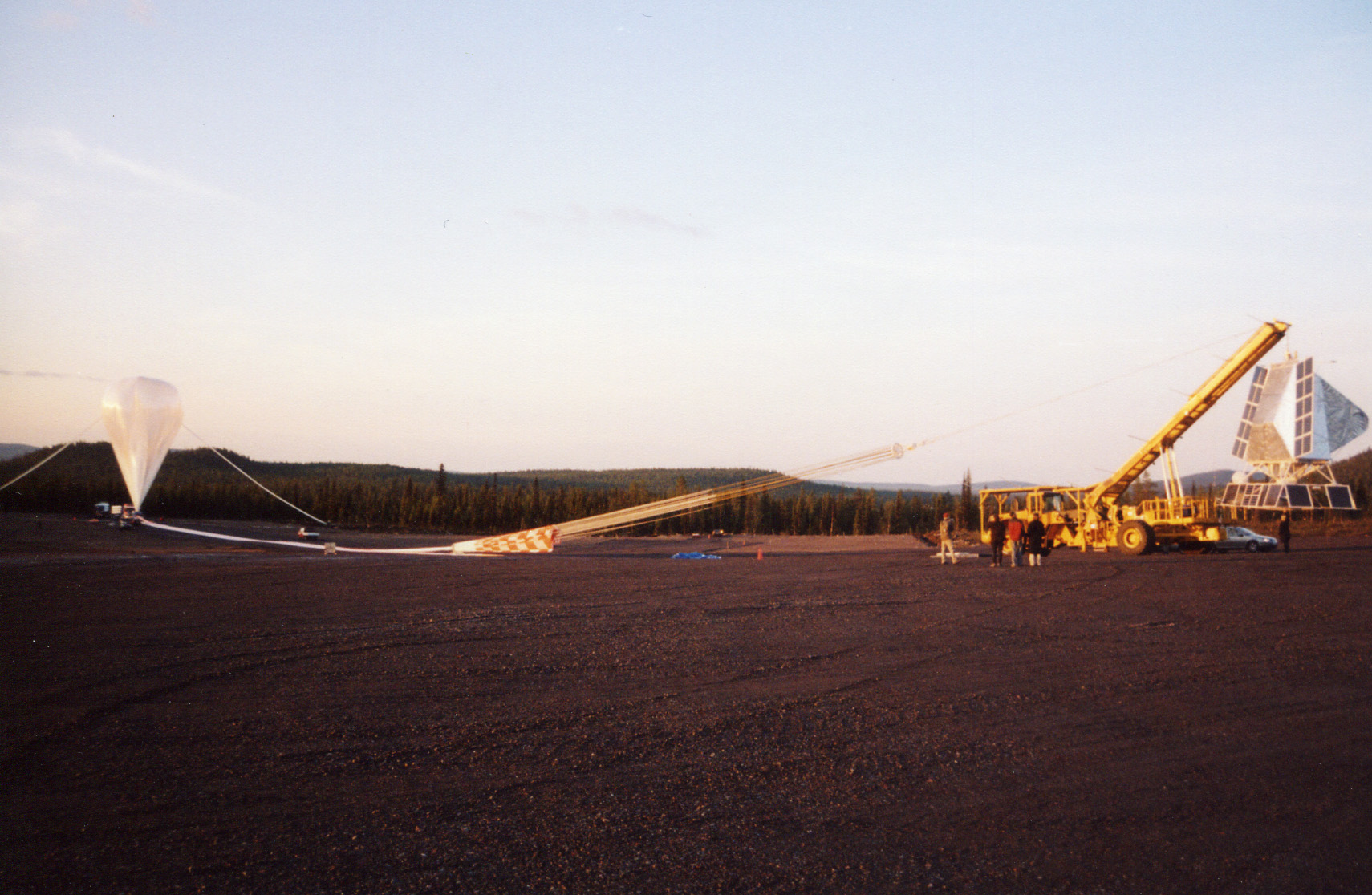
Stratospheric Balloons Used as Drone Carriers
Aerostar's stratospheric balloons, Lightning and Thunderhead, have demonstrated the ability to carry and launch solar-powered drones, marking a significant advancement in high-altitude surveillance and potential military applications. The balloons can operate for up to 60 days and carry payloads of up to 200 pounds. This technology has the potential to revolutionize long-endurance unmanned drone operations.
Key points
- Aerostar's Lightning balloon, paired with the solar-powered Apollo-R drone, has successfully released a single high-endurance uncrewed aircraft while cruising high in the open stratosphere.
- The Lightning platform operates for up to three days at altitudes between 50,000 and 78,000 feet, carrying payloads of up to 45 pounds.
- Aerostar's larger Thunderhead balloon covers a similar altitude band, between 55,000 and 75,000 feet, but stays aloft for 60 days or more and can carry payloads weighing up to 200 pounds.
- The Thunderhead balloon can serve as a mothership, carrying multiple Apollo-R drones per mission, according to Aerostar's Vice President of Stratospheric Solutions, Russ Van Der Werff.
- This technology has the potential to revolutionize long-endurance unmanned drone operations, with applications in surveillance, military, and environmental monitoring.
- The use of stratospheric balloons as drone carriers raises questions about the regulatory framework and potential security implications.
Aerostar's recent testing has successfully demonstrated the ability to use stratospheric balloons as drone carriers. The company's Lightning and Thunderhead balloons have shown the potential to carry and launch solar-powered drones, marking a significant advancement in high-altitude surveillance and potential military applications.
The Lightning platform operates for up to three days at altitudes between 50,000 and 78,000 feet, carrying payloads of up to 45 pounds. In contrast, Aerostar's larger Thunderhead balloon covers a similar altitude band, between 55,000 and 75,000 feet, but stays aloft for 60 days or more and can carry payloads weighing up to 200 pounds.
According to Aerostar's Vice President of Stratospheric Solutions, Russ Van Der Werff, the Thunderhead balloon can serve as a mothership, carrying multiple Apollo-R drones per mission. This technology has the potential to revolutionize long-endurance unmanned drone operations, with applications in surveillance, military, and environmental monitoring.
However, the use of stratospheric balloons as drone carriers raises questions about the regulatory framework and potential security implications. As this technology continues to evolve, it is essential to address these concerns and establish clear guidelines for its use.
Sources
The WireByte editorial team synthesises technology news from multiple primary sources, verifies the facts, and links every source. Articles are produced with AI assistance and reviewed under our editorial policy.