SK Hynix to Become Kioxia’s Largest Shareholder via Bond Conversion
South Korean chipmaker SK Hynix is set to become Kioxia’s largest shareholder by converting 129 billion yen of bonds into shares, securing an indirect 14.1% stake. This move surpasses Toshiba’s 10.46% holding, consolidating control over the Japanese NAND flash memory producer. The transaction, closing in December, strengthens SK Hynix’s position in the global storage market alongside Samsung.
Key points
- SK Hynix will convert 129 billion yen ($810 million) of bonds held since 2018 into 129,000 shares, becoming Kioxia’s largest shareholder with an indirect 14.1% stake.
- The transaction, which also involves purchasing Bain Capital’s remaining shares for 100 million yen, closes in December without adding new capital to the company.
- SK Hynix’s new stake exceeds Toshiba’s 10.46% holding, reversing the ownership hierarchy established when Toshiba originally spun off its memory division.
- Both companies are major NAND flash memory producers, with SK Hynix holding 19% and Kioxia 14% of the global market, collectively challenging Samsung’s 28% lead.
- The 2018 deal caps SK Hynix’s voting rights at 15% until 2028, unless Kioxia agrees to higher thresholds, maintaining regulatory compliance while increasing economic interest.
Strategic Shift in Ownership Structure
South Korean semiconductor giant SK Hynix is poised to become the largest shareholder in Kioxia, the Japanese flash memory manufacturer, through a significant financial restructuring. In a filing reported by Bloomberg’s Yoolim Lee, SK Hynix announced it will convert bonds it has held since 2018 into equity shares. This strategic move elevates SK Hynix above Toshiba, Kioxia’s former parent company, which held a 10.46% stake as of early November. The development marks a pivotal shift in the governance and ownership dynamics of one of the world’s leading producers of NAND flash memory chips.
Financial Mechanics of the Deal
The core of the transaction involves SK Hynix converting 129 billion yen, approximately $810 million, of its bonds into 129,000 shares. This conversion is executed through SPC2, a special-purpose company established specifically for the 2018 acquisition deal. Additionally, SK Hynix will purchase Bain Capital’s remaining 1,001 SPC2 shares for 100 million yen. These steps are scheduled to close in December, at which point SK Hynix will become the sole owner of SPC2. According to MoneyToday, citing company sources, the transaction adds no new money to Kioxia beyond the initial investment framework, serving instead as a follow-up to SK Hynix’s decision to sell out of a separate Kioxia fund in June.
Market Context and Competitive Landscape
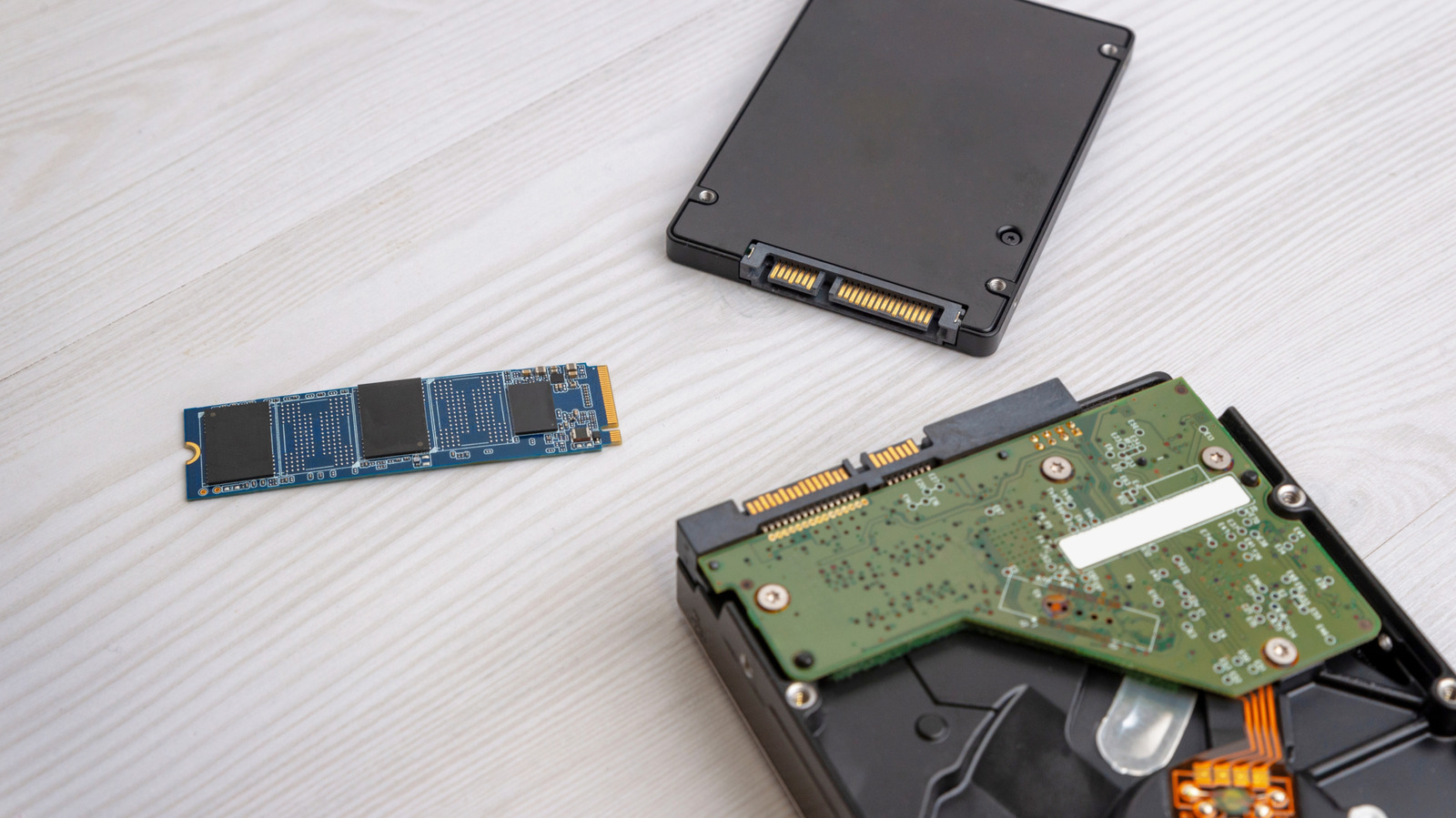
The consolidation of shares comes at a critical time for the global memory chip industry. SK Hynix and Kioxia are primary rivals in the production of NAND flash memory, the essential storage technology used in smartphones, laptops, and increasingly, AI servers. Data from Counterpoint, cited by Bloomberg, indicates that SK Hynix held 19% of the global NAND market in the second quarter, while Kioxia held 14%. Together, their combined market share of 33% surpasses that of market leader Samsung, which controls 28%. This structural alignment could have significant implications for supply chain dynamics and pricing strategies in the high-demand storage sector.
Historical Background and Regulatory Constraints
SK Hynix originally joined a Bain Capital-led consortium that acquired Kioxia, then known as Toshiba Memory, in 2018. At that time, SK Hynix contributed 395 billion yen to the deal. The current bond conversion is a continuation of that long-term investment strategy. However, the 2018 agreement includes specific regulatory constraints, capping SK Hynix’s voting rights at 15% of Kioxia’s total voting shares until 2028. This cap remains in place unless Kioxia agrees to adjust the threshold, ensuring that while SK Hynix gains economic interest, it does not gain unilateral control over corporate decisions during this period.
Financial Implications for SK Hynix
The financial maneuvering behind this stake increase is linked to SK Hynix’s broader capital management strategies. The company previously sold its stake in a separate Kioxia fund in June, generating gains that funded approximately 7 trillion won ($5.2 billion) in special dividends for its shareholders in the third quarter. The current bond-to-equity conversion does not require additional cash outlay beyond the nominal payment to Bain Capital, allowing SK Hynix to deepen its exposure to Kioxia’s performance without impacting its immediate liquidity. This move underscores SK Hynix’s confidence in Kioxia’s long-term viability and its strategic importance in the global memory chip ecosystem.
Key takeaways
- SK Hynix converts 129 billion yen of bonds into shares, securing a 14.1% indirect stake in Kioxia.
- The deal surpasses Toshiba’s 10.46% holding, making SK Hynix the largest shareholder.
- Transaction closes in December, with SK Hynix becoming the sole owner of the special-purpose vehicle SPC2.
- Combined market share of SK Hynix and Kioxia exceeds Samsung’s lead in the global NAND flash memory market.
- Voting rights for SK Hynix are capped at 15% until 2028, preserving Kioxia’s operational independence.
Sources
The WireByte editorial team synthesises technology news from multiple primary sources, verifies the facts, and links every source. Articles are produced with AI assistance and reviewed under our editorial policy.