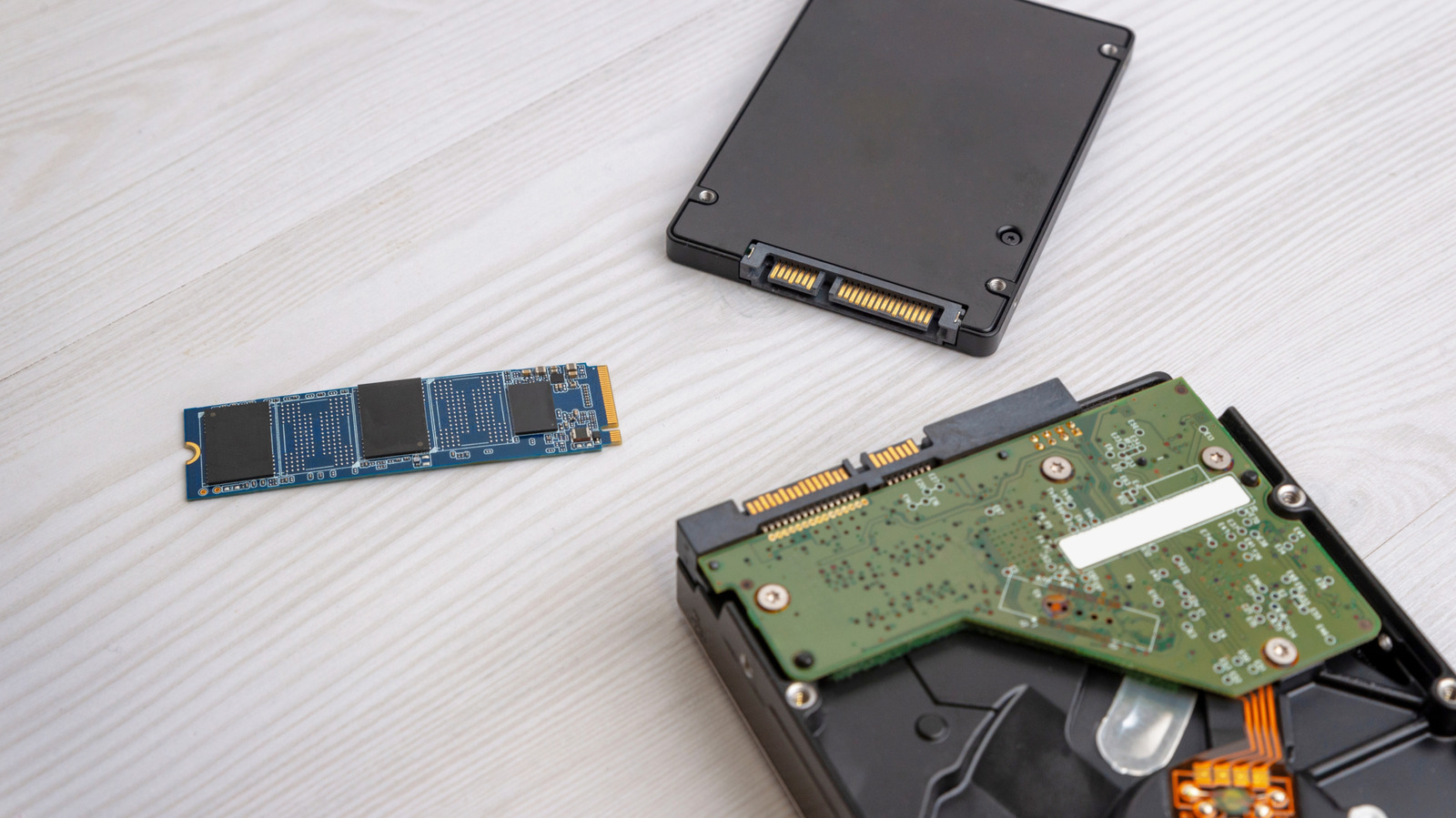
Tech Terminology: The Distinction Between Disc and Disk
In technology, the spelling of 'disc' versus 'disk' indicates specific storage media types. 'Disk' with a 'k' refers to magnetic storage like hard drives, while 'disc' with a 'c' denotes optical media such as CDs. This linguistic nuance helps users identify the underlying technology and function of the hardware component in question.
Key points
- The spelling 'disk' with a 'k' is used to refer to magnetic storage media, such as mechanical hard drives and floppy disks.
- The spelling 'disc' with a 'c' is used to refer to optical storage media, such as CDs and DVDs.
- Although the terms share similar modalities and functions, the distinction in spelling indicates the specific type of technology involved.
- Understanding this linguistic difference is key to discerning the unique characteristics of various technology components.
- The variation is not merely a matter of American versus British English but reflects the physical nature of the storage medium.
The Linguistic Nuance of Tech Storage
In the realm of technology, precise terminology is often essential for understanding the underlying mechanics of hardware. One such area of confusion lies in the spelling of a common word: disc versus disk. While they may appear to be simple variations of the same term, potentially stemming from regional differences between American and British English, the distinction carries significant technical weight. The choice of spelling is not arbitrary; it serves as an indicator of the specific type of storage media being referenced.
Magnetic Storage: The Disk
The term disk, spelled with a 'k', is traditionally associated with magnetic storage technologies. This category includes mechanical hard drives, which have been the backbone of data storage for decades, as well as floppy disks. These devices rely on magnetic fields to read and write data onto a rotating platter. The use of the 'k' in disk helps differentiate these magnetic-based systems from other forms of storage that do not utilize magnetism in the same way.
Optical Storage: The Disc
Conversely, the term disc, spelled with a 'c', is used to describe optical storage media. This includes formats such as Compact Discs (CDs), Digital Versatile Discs (DVDs), and Blu-ray discs. These media store data using pits and lands on a reflective surface, which are read by a laser. The spelling with a 'c' distinguishes these optical formats from their magnetic counterparts, highlighting the different physical methods used to access the stored information.
Functional Similarities and Differences
Despite the different spellings and underlying technologies, both disk and disc serve similar functions. They are both used to store digital data, allowing for the preservation and retrieval of information. However, the physical mechanisms by which they operate differ significantly. Magnetic disks use read/write heads that interact with a magnetic surface, while optical discs use lasers that reflect off the disc's surface. This fundamental difference in operation is why the terminology remains distinct in technical contexts.
Why the Distinction Matters
Understanding the difference between disc and disk is crucial for anyone navigating the technology landscape. It aids in identifying the correct media type, which can be important for compatibility, maintenance, and troubleshooting. For instance, knowing whether a device uses magnetic or optical storage can influence decisions regarding data backup, transfer speeds, and longevity. The spelling serves as a quick reference to the technology's nature, preventing confusion in technical discussions and documentation.
Beyond Regional Spelling Variations
While some might assume the difference is purely regional, with 'disk' being American and 'disc' being British, the reality is more nuanced. In technical writing, the spelling is often dictated by the type of media rather than geography. Even in regions where British English is standard, the term 'disk' is used for magnetic media, and 'disc' for optical media. This standardized usage ensures clarity across international technical communities.
Conclusion
The distinction between disc and disk is a small but important aspect of technology terminology. It reflects the underlying physical differences between magnetic and optical storage media. By paying attention to these linguistic details, users and professionals can better understand the technology they interact with, ensuring accurate communication and effective use of hardware.
Key takeaways
- The term disk with a k refers to magnetic storage media like hard drives and floppy disks.
- The term disc with a c refers to optical storage media like CDs and DVDs.
- The spelling distinction is based on the physical technology, not regional English variations.
- Both disk and disc are used for data storage but operate on different physical principles.
- Understanding this difference aids in technical clarity and hardware identification.
Sources
The WireByte editorial team synthesises technology news from multiple primary sources, verifies the facts, and links every source. Articles are produced with AI assistance and reviewed under our editorial policy.