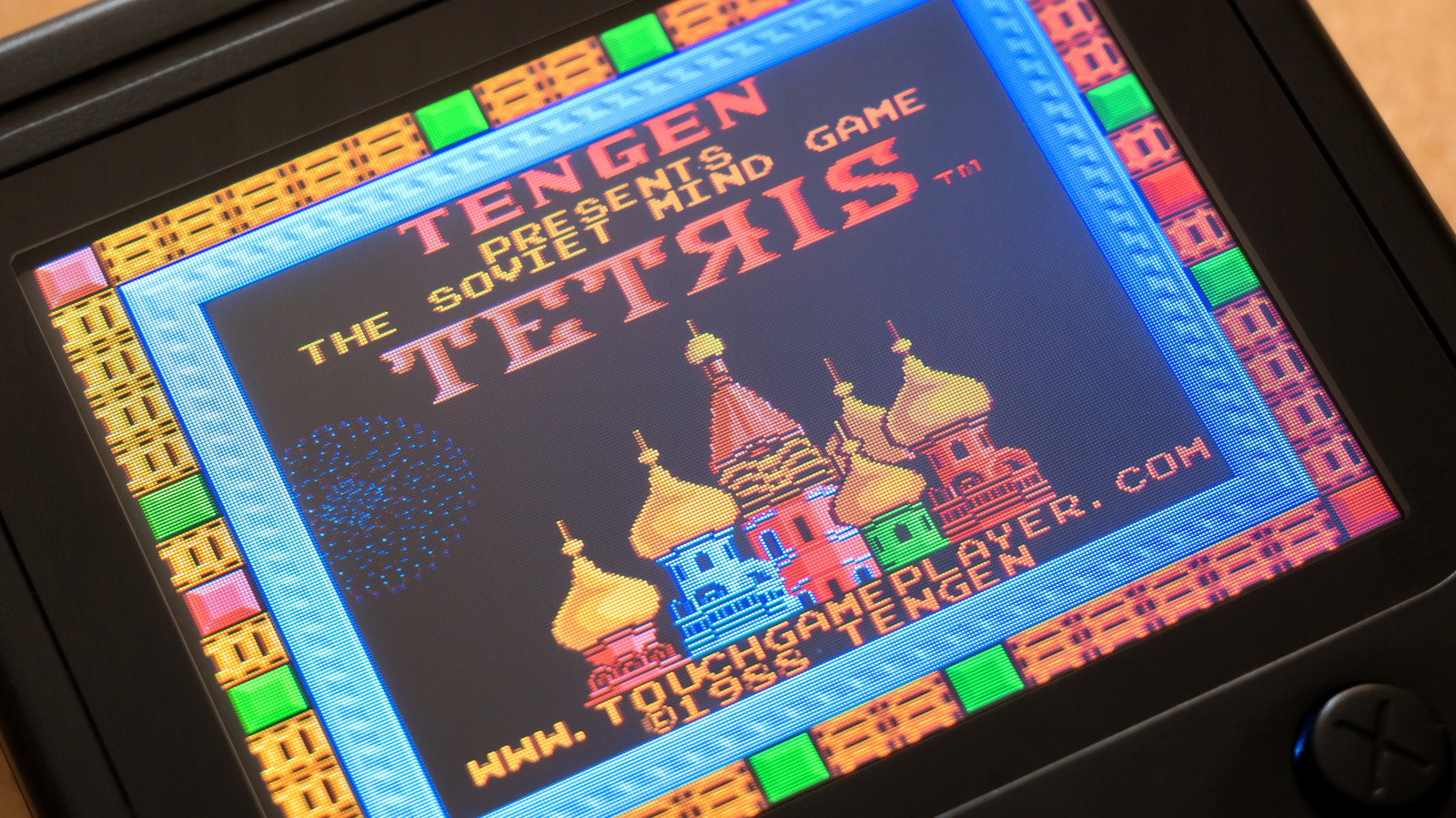
Tetris Remains Most Re-released Game in History with Over 200 Versions
Tetris holds the record for the most re-released video game of all time, with over 200 official versions and countless ports. Created by Alexey Pajitnov in the Soviet Union in 1984, the puzzle game has been distributed across virtually every platform. Its widespread availability and enduring popularity have cemented its status as a global cultural phenomenon.
Key points
- Tetris is the most re-released game in history, boasting over 200 official releases and numerous ports.
- The game was originally developed by programmer Alexey Pajitnov in the Soviet Union between 1984 and 1985.
- Initial development occurred on the Elektronika 60 computer using text-based graphics before ports to the IBM PC.
- The game's legacy began when Pajitnov's manager helped distribute copies to other regions, sparking global interest.
- Tetris has appeared on virtually every gaming platform, dwarfing other classics like Super Mario Bros. and Skyrim in re-release frequency.
A Global Phenomenon Born in the USSR
Tetris stands as the most re-released video game in history, surpassing other long-standing classics like Skyrim and Super Mario Bros. in terms of version count. With over 200 official releases and countless ports, the puzzle game has achieved a ubiquity that few other titles have matched. Its presence on virtually every gaming platform, from early Soviet computers to modern smartphones, highlights its unique position in gaming culture.
The origins of Tetris trace back to the mid-1980s in the Soviet Union. Programmer Alexey Pajitnov created the game between 1984 and 1985 as a personal project. Initially, Pajitnov developed the game for the Elektronika 60, a Soviet computer that lacked graphical output capabilities. Consequently, the early version relied on text-based graphics, using square brackets to represent the tetrominoes that form the game's core mechanics.
From Local Project to Global Distribution
After its initial creation, Pajitnov and his colleagues worked to port the game to the IBM PC, which was becoming increasingly popular worldwide. The game gained traction locally, with Pajitnov and his team distributing copies by hand. This grassroots distribution method played a crucial role in the game's early spread within the Soviet region.
A pivotal moment in Tetris's history occurred when Pajitnov's manager recognized the game's potential. The manager became one of the first individuals to actively work on distributing the game to other parts of the world. This early advocacy helped transition Tetris from a local Soviet curiosity to a global phenomenon, laying the groundwork for its eventual international success.
Enduring Legacy and Platform Proliferation
The game's simplicity and addictive gameplay have contributed to its enduring popularity. Unlike other classic games that may have multiple editions or remakes, Tetris has been adapted and re-released across an unprecedented number of platforms. This includes everything from early home computers and consoles to mobile devices and web browsers.
While games like Super Mario Bros. have appeared on nearly every Nintendo console and Sonic the Hedgehog has been featured in numerous compilations, neither matches Tetris in terms of re-release frequency. The game's adaptability has allowed it to remain relevant across generations of technology, ensuring its place in gaming history.
Cultural Impact and Historical Significance
Tetris's journey from a Soviet computer project to a global staple reflects broader historical shifts. Its development during the Cold War era and subsequent spread across the Iron Curtain add a layer of historical significance to its cultural impact. The game's universal appeal transcends language and cultural barriers, making it one of the most recognizable and played games in the world.
The sheer number of versions and ports underscores the game's technical versatility and the demand for its gameplay. Each re-release represents an effort to bring the classic experience to new audiences and platforms, ensuring that Tetris remains accessible to players regardless of their preferred gaming device.
Key takeaways
- Tetris is the most re-released game in history with over 200 official versions.
- Alexey Pajitnov created the game in the Soviet Union between 1984 and 1985.
- The initial version used text-based graphics on the Elektronika 60 computer.
- Pajitnov's manager played a key role in distributing the game globally.
- Tetris has been ported to virtually every gaming platform available.
Sources
The WireByte editorial team synthesises technology news from multiple primary sources, verifies the facts, and links every source. Articles are produced with AI assistance and reviewed under our editorial policy.