iOS 27.3 Beta Adds Software Face Unlock to iPhone Duo
Apple’s iOS 27.3 beta introduces a software-based face unlock for the iPhone Duo, addressing user complaints about the lack of hardware Face ID. Using the front camera, the feature offers convenience but lacks TrueDepth security, restricting Apple Pay and requiring Touch ID re-authentication every 45 minutes. The update aims to bridge the gap until potential hardware upgrades arrive.
Key points
- Apple, the technology giant, has introduced a new software-based face unlock feature in the iOS 27.3 developer beta to address user dissatisfaction with the iPhone Duo's reliance on Touch ID.
- The feature utilizes the iPhone Duo's existing front-facing camera rather than the TrueDepth sensor array required for secure Face ID, due to the device's thin, foldable hardware constraints.
- Security is limited as the system warns users it is less secure than Touch ID, restricts Apple Pay and password access to Touch ID only, and requires re-authentication every 45 minutes.
- The iPhone Duo, priced at $2,000, currently lacks the hardware space for TrueDepth sensors, though Bloomberg reports Apple is developing Face ID support for the second-generation model.
- iOS 27.3 is scheduled for a public release in December, potentially making this convenience feature widely available before the next hardware iteration launches.
Software Solution for Hardware Limitations
Apple has released the second beta of iOS 27.3 to developers, introducing a significant software update for the iPhone Duo. This update addresses one of the most persistent criticisms of the company's first foldable smartphone: the absence of Face ID. Instead of waiting for a hardware redesign, Apple is implementing a new authentication method called "Unlock with Front Camera." This feature allows users to unlock the device using facial recognition via the standard front-facing camera, bypassing the need for the fingerprint sensor or passcode entry in specific circumstances.
How the Feature Works
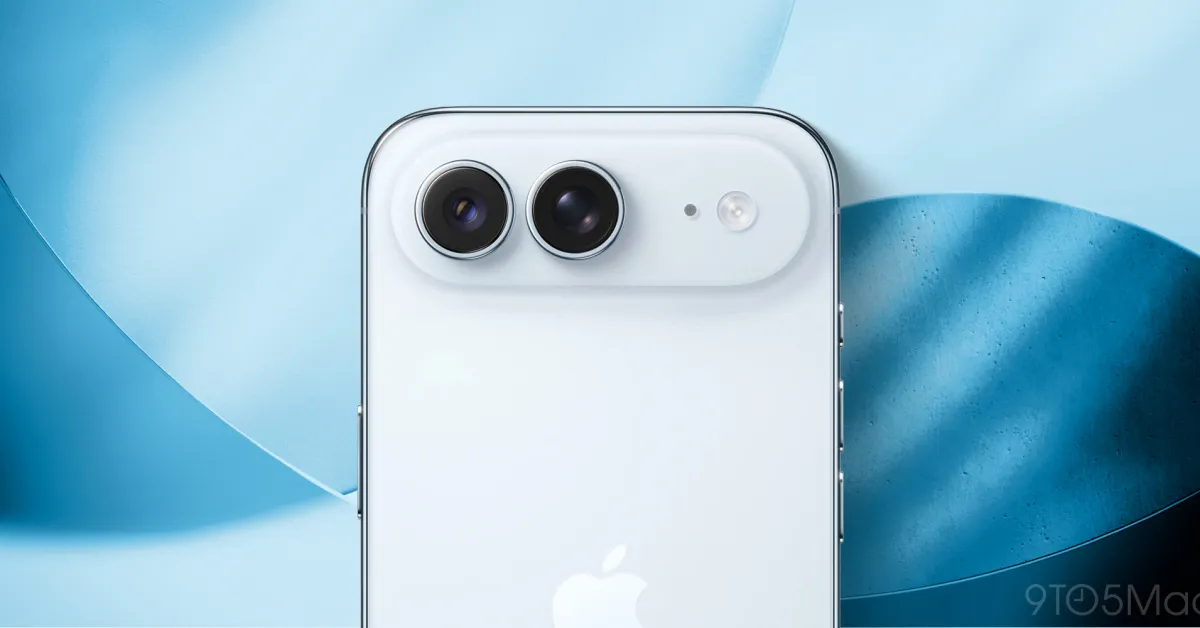
The implementation of this feature highlights the technical constraints of the iPhone Duo's design. Unlike standard iPhones that utilize the TrueDepth camera system with infrared sensors to create a 3D map of the user's face, the iPhone Duo relies on conventional cameras on both its outer and inner displays. The lack of depth-sensing hardware means Apple cannot offer the same level of security associated with traditional Face ID. Consequently, the setup process in the Settings app includes a specific warning, informing users that while the feature provides convenience, it is not as secure as Touch ID or the standard Face ID found on other models.
Security Restrictions and Usage
To mitigate security risks, Apple has imposed several restrictions on the new face unlock capability. The feature is primarily designed for unlocking the lock screen and does not extend to sensitive financial or identity verifications. Users cannot use facial recognition for Apple Pay transactions or to access saved passwords; these actions still require Touch ID authentication. Furthermore, the system enforces a time limit, requiring users to re-authenticate with Touch ID or a passcode every 45 minutes of inactivity. This ensures that the device remains secure if left unattended for extended periods.
Performance and User Experience
Early testing by Engadget indicates that the feature performs reasonably well despite its software-based nature. The facial recognition process is reported to be faster than using Touch ID, offering a more seamless unlocking experience. In initial tests, the system successfully recognized the user and was not fooled by a photograph of their face, suggesting a basic level of liveness detection. However, performance in low-light conditions remains uncertain, with tests showing mixed results. The feature is intended to bring the iPhone Duo closer to the user experience of traditional iPhones, where unlocking by simply looking at the device has become the norm.
Future Hardware Plans
The software update serves as a temporary solution to a hardware limitation. The iPhone Duo's thin, foldable form factor does not currently accommodate the TrueDepth sensor array required for full Face ID functionality. However, reports from Bloomberg suggest that Apple is already working on integrating Face ID into the second-generation iPhone Duo. This indicates that the current software feature is a stopgap measure to improve user satisfaction while the company develops hardware that can support more advanced biometric security in a foldable format.
Release Timeline
iOS 27.3 is scheduled for a public release in December. If the "Unlock with Front Camera" feature survives the beta testing phase without significant security flaws, it will be available to all iPhone Duo users at that time. This timeline aligns with Apple's typical release cycle for major iOS updates, ensuring that the convenience feature is widely accessible before the potential launch of the next hardware generation. The move underscores Apple's strategy of using software updates to address user feedback while hardware improvements are developed in parallel.
Key takeaways
Apple's iOS 27.3 beta introduces a software-based face unlock for the iPhone Duo using the front camera.
The feature is less secure than Touch ID and does not support Apple Pay or password access.
Users must re-authenticate with Touch ID every 45 minutes or after the phone has been locked.
The iPhone Duo lacks TrueDepth hardware, but Apple is reportedly working on Face ID for the next generation.
The public release of iOS 27.3 is expected in December, making the feature widely available.
Sources
The WireByte editorial team synthesises technology news from multiple primary sources, verifies the facts, and links every source. Articles are produced with AI assistance and reviewed under our editorial policy.