Homelabber Runs 2.8T Kimi AI Model Using RTX 3090s and Optane
A tech enthusiast successfully runs the 2.8-trillion-parameter Kimi K3 AI model on a custom homelab setup featuring two RTX 3090 GPUs and Intel Optane memory. By offloading nearly half the model to a RAM drive, generation speed reached 3.11 tokens per second, a 41% improvement. The build requires significant cooling due to high heat output from the persistent memory.
Key points
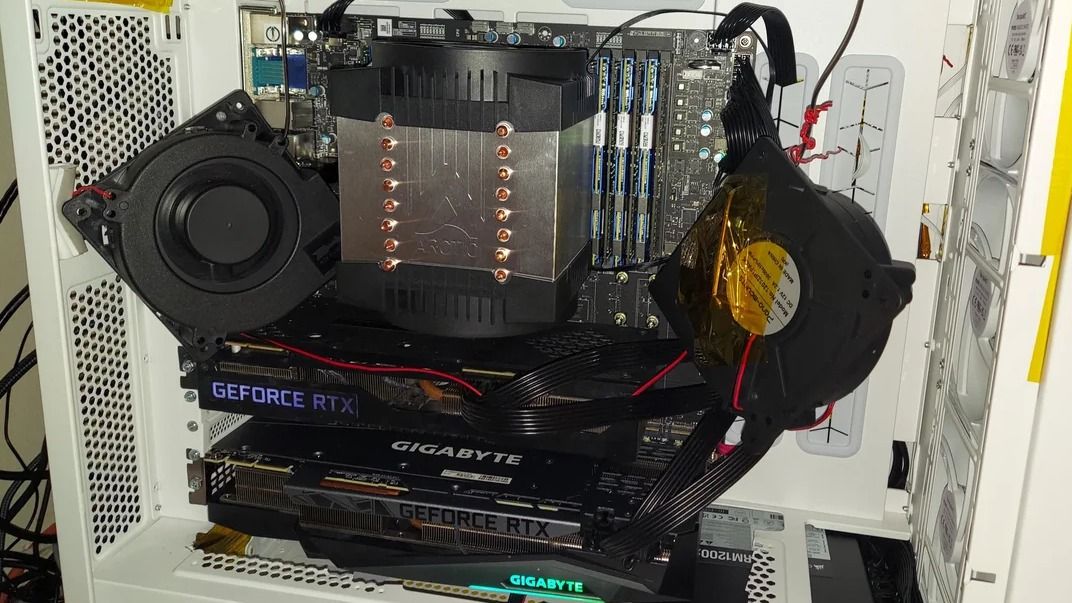
- A homelabber enhanced a second-generation Optane AI build by adding two NVIDIA RTX 3090 graphics cards to support large language model inference.
- The system successfully runs the Moonshot Kimi K3 model, which contains 2.8 trillion parameters, achieving a generation speed of 3.11 tokens per second.
- Transferring nearly half of the model data onto a RAM drive resulted in a 41% increase in generation speed and a 26% boost in prompt evaluation time.
- The custom hardware configuration generates substantial heat, necessitating the installation of extra fans to maintain thermal stability during operation.
Custom Hardware Pushes Large Model Limits
A dedicated technology enthusiast has demonstrated the capabilities of a high-performance homelab setup capable of running extremely large artificial intelligence models locally. The build, described as a second-generation Optane AI configuration, utilizes consumer-grade hardware to tackle the Moonshot Kimi K3 model. This specific model is notable for its massive scale, containing 2.8 trillion parameters, which typically requires enterprise-grade infrastructure to operate efficiently.
The core of this experimental setup relies on the integration of two NVIDIA RTX 3090 graphics processing units. These GPUs provide the necessary computational power and memory bandwidth to handle the complex matrix operations required by such a large neural network. The addition of these high-end consumer cards marks a significant evolution from previous iterations of the build, allowing for more complex model architectures to be executed on personal hardware.
Performance Gains Through Memory Optimization
A critical component of the system's performance is the strategic use of Intel Optane persistent memory. The enthusiast reported that by transferring nearly half of the total model data onto a RAM drive, the system achieved substantial efficiency gains. This memory optimization technique allows for faster data access times compared to traditional storage solutions, directly impacting the speed at which the AI can process inputs and generate outputs.
The results of this architectural choice are quantifiable. The setup achieved a generation speed of 3.11 tokens per second. This metric represents the number of text tokens the model can produce in one second, a key indicator of usability for interactive applications. The move to utilize the RAM drive for a significant portion of the model data contributed to a 41% increase in this generation speed.
Thermal Challenges and System Stability
While the performance metrics are impressive, the physical demands of running such a dense model on consumer hardware present significant challenges. The use of persistent Optane memory, while beneficial for speed, generates considerable heat. The enthusiast noted that the hardware gets very hot during operation, requiring active cooling solutions beyond standard configurations.
To manage these thermal loads, the build includes additional fans. This cooling infrastructure is essential to prevent thermal throttling, which would otherwise degrade performance or cause system instability. The need for enhanced cooling highlights the trade-offs inherent in pushing consumer-grade components beyond their typical use cases for high-performance AI inference.
Implications for Local AI Deployment
This build illustrates the growing trend of individuals and small organizations attempting to run large language models locally. By achieving functional inference speeds with a 2.8-trillion-parameter model, the project suggests that the gap between cloud-based AI services and local hardware capabilities may be narrowing. However, the complexity and thermal requirements indicate that such setups remain niche and require significant technical expertise to maintain.
The successful operation of the Kimi K3 model on this hardware provides a reference point for other enthusiasts interested in local AI deployment. It demonstrates that with careful memory management and adequate cooling, it is possible to run models of significant size on non-enterprise hardware. The specific metrics of 3.11 tokens per second serve as a benchmark for similar future builds.
Key takeaways
- A homelabber successfully runs the 2.8-trillion-parameter Kimi K3 model using two RTX 3090 GPUs.
- The system achieves a generation speed of 3.11 tokens per second through optimized memory usage.
- Offloading nearly half the model to a RAM drive improves generation speed by 41%.
- Prompt evaluation time is reduced by 26% due to the same memory optimization strategy.
- The build requires extra fans to manage the high heat output from persistent Optane memory.
Sources
The WireByte editorial team synthesises technology news from multiple primary sources, verifies the facts, and links every source. Articles are produced with AI assistance and reviewed under our editorial policy.