iFixit: Apple HomeView repairability regresses with heavy adhesive use
iFixit’s teardown of Apple’s new HomeView reveals significant repair challenges, marking a step backward from recent Apple devices. Heavy adhesives securing the display and logic board caused component damage during disassembly. The wall-mounted and tabletop models feature distinct internal layouts, complicating part interchangeability and raising concerns about long-term serviceability.
Key points
- iFixit, the leading electronics repair analysis group, conducted a teardown of the Apple HomeView, finding it significantly harder to repair than recent Apple products like the iPad and HomePod.
- Technicians encountered excessive adhesive bonding the display and logic board to the aluminum chassis, resulting in snapped speakers and damaged connectors during disassembly.
- The wall-mounted and tabletop versions of the HomeView have non-interchangeable internal components, with the wall model featuring a wider logic board and smaller speakers than the tabletop variant.
- While the USB-C port on the base is modular and replaceable, the extensive use of thermal paste and glue makes servicing the core components risky and difficult.
- The design prioritizes thermal management by using the enclosure as a heat sink, but this creates a high barrier for independent repair shops and consumers attempting self-repairs.
Repairability Concerns Emerge in HomeView Teardown
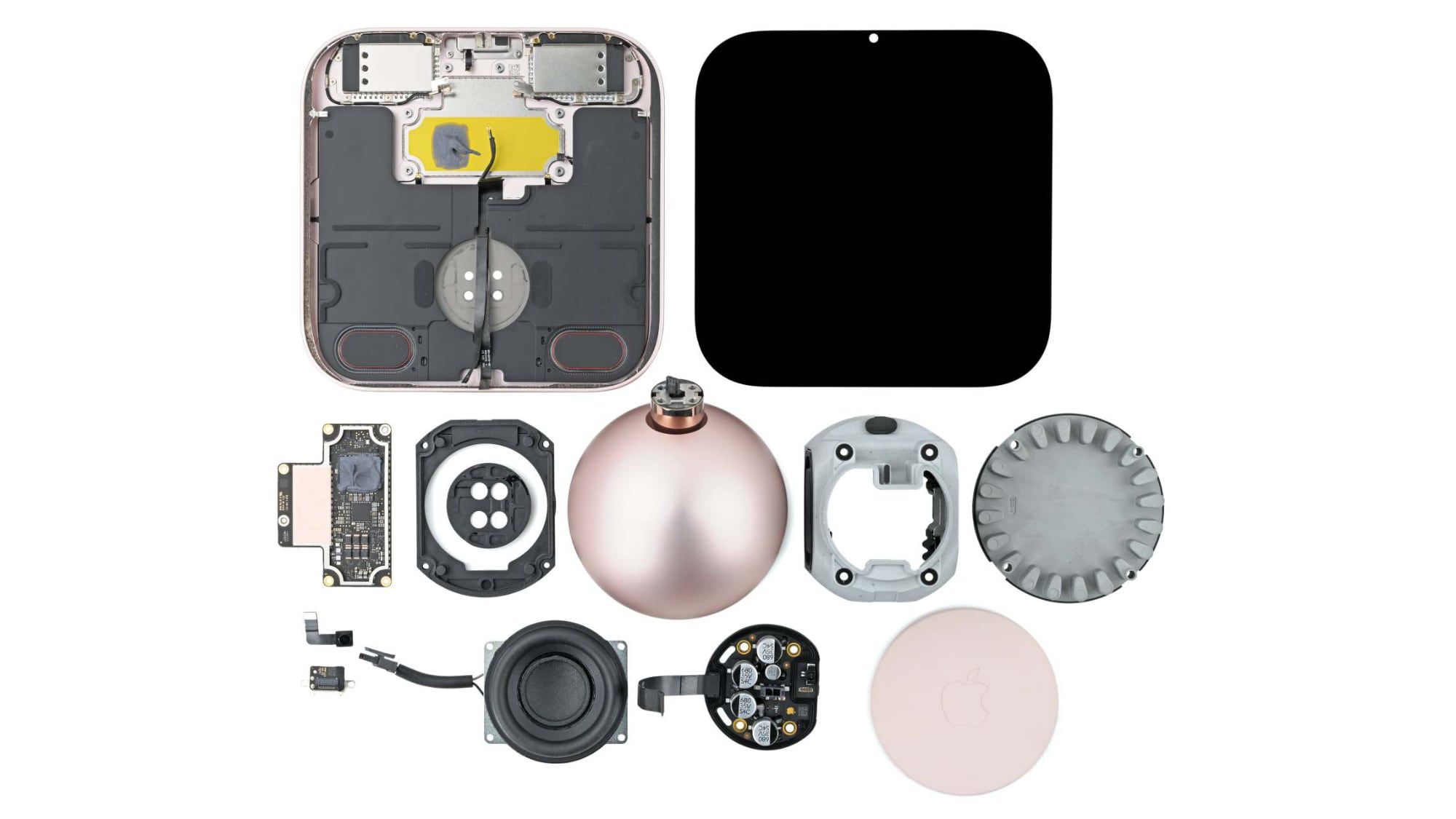
iFixit has released a detailed teardown of Apple’s newly launched HomeView, revealing a device that presents substantial obstacles for repair technicians. The analysis indicates a regression in repairability compared to recent Apple hardware, such as the iPad and HomePod, which have seen improvements in component modularity and accessibility. The HomeView’s internal construction relies heavily on adhesives, making disassembly a complex and destructive process that risks damaging critical components.
Design Choices Hinder Disassembly
The primary challenge identified by iFixit’s technicians is the extensive use of strong adhesive. The display is secured with a bond described as stronger than that found on any recent Apple product opened by the team. Attempts to remove the display required significant force and the application of isopropyl alcohol to soften the glue. Even after chemical treatment, the process remained difficult. The logic board is similarly affixed to the back of the aluminum enclosure using thermal adhesive. This design choice turns the entire aluminum chassis into a heat sink to improve thermal performance, but it also makes separating the board from the casing a remarkably risky operation. Technicians reported applying more force to the logic board than they were comfortable with, highlighting the fragility introduced by this thermal management strategy.
Component Damage and Tool Requirements
The teardown process resulted in visible damage to internal components. One of the speakers snapped in half during removal due to thick adhesive pads holding them in place. Additionally, a connector was ripped during the disassembly. The internal structure utilizes a mix of Phillips and Torx screws in various sizes, necessitating a wide range of tools for any potential repair. Multiple cables connect the display to the speaker base, adding further complexity to the disassembly process. While the speaker base itself is designed similarly to the HomePod and was found to be easier to take apart, the integrated nature of the display and logic board creates a bottleneck for repairs.
Differences Between Wall-Mounted and Tabletop Models
iFixit’s analysis covered two distinct variants of the HomeView: the tabletop model and the wall-mounted version. The teardown revealed that the internal components of these two models are not interchangeable. The wall-mounted version features a larger logic board to accommodate capacitors that are housed in the base of the tabletop version. Consequently, the wall-mounted model has smaller internal speakers, which aligns with Apple’s previous acknowledgment of differences in audio systems between the two models. The tabletop model, by contrast, adopts larger speakers and a pivot mount. These structural differences mean that repair parts cannot be shared across the product line, potentially increasing the cost and complexity of servicing each variant.
Modular Exceptions and Future Implications
Despite the overall difficulty, some components offer a degree of modularity. The USB-C port on the base is designed to be replaceable, and certain other small parts can be swapped out without destroying the device. However, the core components, including the display, speakers, and logic board, are deeply integrated with adhesive. This design approach may streamline assembly in a factory setting, but it poses significant challenges for independent repair shops and consumers. The difficulty of removing the thermal paste and adhesive suggests that servicing the HomeView will likely require specialized equipment and expertise, potentially limiting repair options and increasing reliance on authorized service providers.
Key takeaways
- iFixit found the Apple HomeView difficult to repair due to excessive adhesive use.
- Disassembly caused damage to speakers and connectors, indicating fragile internal construction.
- Wall-mounted and tabletop models have non-interchangeable logic boards and speakers.
- The aluminum chassis acts as a heat sink, complicating logic board removal.
- Only the USB-C port and some base components are modular and replaceable.
Sources
The WireByte editorial team synthesises technology news from multiple primary sources, verifies the facts, and links every source. Articles are produced with AI assistance and reviewed under our editorial policy.