Google Wallet Adds Digital Home Keys to Android, Rivaling Apple
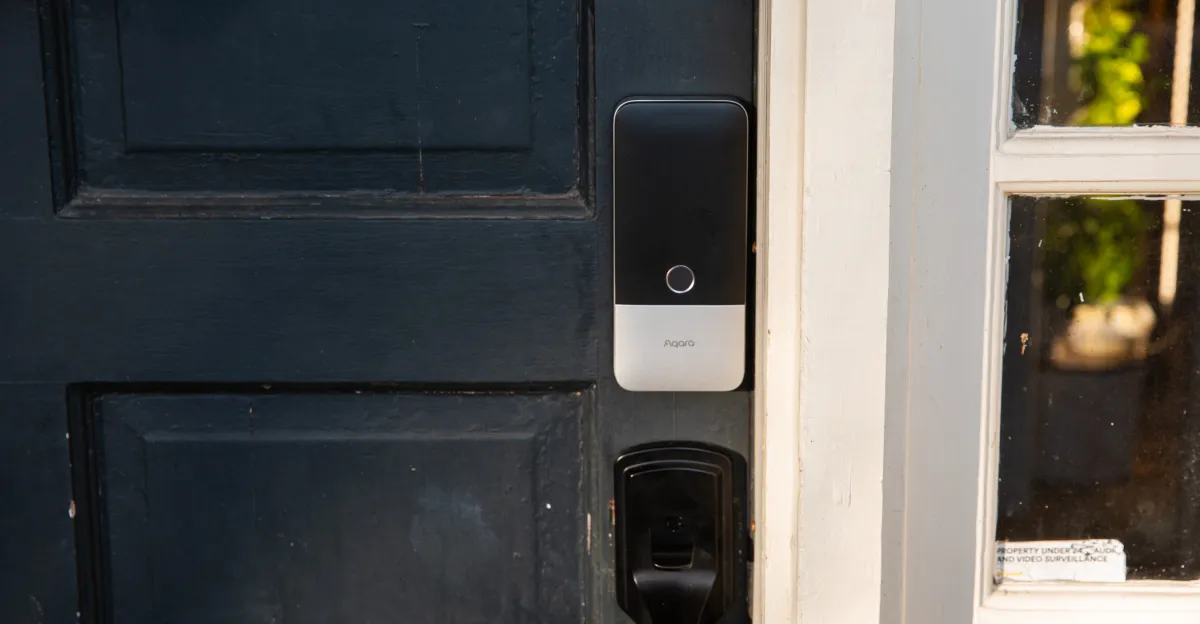
Google is rolling out digital home key functionality to Google Wallet, allowing Android users to unlock compatible smart locks via NFC tap or Ultra-Wideband proximity. This feature, built on the Aliro open standard, brings Android in line with Apple’s long-standing iOS capability. The update integrates with Google Home, enabling secure, keyless entry for households across multiple devices.
Key points
- Google is adding digital home key support to Google Wallet, allowing Android users to unlock smart locks via tap or proximity.
- The feature supports NFC tap-to-unlock and Ultra-Wideband (UWB) unlock-on-approach technologies for compatible devices.
- Implementation relies on Aliro, an open standard designed to ensure interoperability between smartphones and smart locks.
- Multiple household members can add their own digital keys to their personal Google Wallets via a shared Google Home account.
- The rollout begins as a public preview in the Google Home app, with a wider release planned over the coming weeks.
- Compatible hardware includes Google Pixel 10 Pro and newer models, select Samsung Galaxy phones with UWB, and various Aliro-certified locks.
Google Wallet Embraces Keyless Entry with Aliro Standard
Google has officially announced the integration of digital home key functionality into Google Wallet, marking a significant shift in how Android users interact with smart home security. This new feature allows users to unlock compatible smart locks directly from their smartphones, eliminating the need for physical keys or traditional app-based unlocking methods. The move positions Android firmly in the competitive smart home market, directly challenging Apple’s ecosystem which has offered similar capabilities since the introduction of iOS 15 in 2021.
The core of this new functionality relies on two primary wireless technologies: Near Field Communication (NFC) and Ultra-Wideband (UWB). For NFC-enabled devices, users can simply hold the back of their Android phone near the lock’s reader to unlock the door. This tap-to-unlock method does not require the phone to be unlocked first, offering a seamless experience similar to using a physical key. Additionally, Google is supporting UWB technology, which enables an "unlock on approach" feature. This allows the door to open automatically as the user walks up to it, provided the feature is manually enabled in the Google Wallet settings. UWB unlocking is currently supported on Google Pixel 10 Pro and newer models, as well as select Samsung Galaxy phones equipped with UWB hardware.
Built on Open Standards for Broad Compatibility
A critical component of Google’s strategy is its adoption of Aliro, an open standard designed to ensure interoperability between smartphones and smart locks. By building on Aliro, Google aims to create a universal system where any compatible smartphone can unlock any Aliro-certified smart lock, regardless of the lock’s manufacturer. This contrasts with previous methods where users often had to rely on specific companion apps for each lock brand or use the Google Home app for broader control. The integration of Aliro into Google Wallet simplifies the user experience by centralizing key management within a single, widely used application.
The rollout of this feature is being managed through the Google Home app, which currently hosts a public preview of the digital home key functionality. According to Google’s announcement, the feature will be available to the general public over the coming weeks. This phased approach allows Google to test the system’s stability and gather feedback before a full-scale deployment. Users interested in trying the feature early can access it through the Google Home app, where they can link their existing smart locks to their Google Wallet.
Household Management and Security Features
Google’s digital home key system is designed with household management in mind. Multiple household members linked to the same Google Home account can add their own digital keys to their personal Google Wallets. This allows each family member or roommate to unlock the door using their own device, providing a convenient and secure way to manage access without sharing physical keys. The system also allows users to control multiple locks via a single digital home key, streamlining the management of complex smart home setups.
Security remains a priority in the implementation of digital keys. Google has stated that users can customize their verification settings within Google Wallet to suit their preferences. While the default experience allows for tap-to-unlock without unlocking the phone, users can adjust these settings to require additional authentication if desired. This flexibility ensures that users can balance convenience with their personal security requirements.
Market Implications and Future Outlook
The introduction of digital home keys to Android represents a significant step in the maturation of the smart home industry. For years, Apple users have enjoyed the convenience of using their iPhones or Apple Watches to unlock doors, a feature that has become a standard expectation for many consumers. Google’s entry into this space with a robust, open-standard solution aims to close the gap between iOS and Android capabilities. By leveraging Aliro, Google is not only enhancing its own ecosystem but also encouraging broader adoption of smart lock technology across the industry.
As the rollout progresses, the focus will likely shift to the expansion of compatible smart lock models and the refinement of UWB technology. The success of this initiative could drive further innovation in smart home security, pushing manufacturers to adopt open standards and improve interoperability. For now, Android users can look forward to a more seamless and integrated smart home experience, with digital keys becoming a standard feature in the near future.
Key takeaways
- Google Wallet now supports digital home keys, allowing Android users to unlock smart locks via tap or proximity.
- The feature utilizes NFC for tap-to-unlock and UWB for unlock-on-approach, supported by Pixel 10 Pro and select Samsung devices.
- Implementation is based on the Aliro open standard, ensuring broad compatibility with various smart lock brands.
- Multiple household members can manage and add digital keys through a shared Google Home account.
- The feature is currently in public preview via the Google Home app, with a wider rollout planned for the coming weeks.
Sources
The WireByte editorial team synthesises technology news from multiple primary sources, verifies the facts, and links every source. Articles are produced with AI assistance and reviewed under our editorial policy.