WireByte
  • Log In
  • Sign Up
  • AI & Machine Learning
  • Technology
  • Science
  • Space & Astronomy
  • Gaming & Esports

Welcome Back

Log in to your WireByte account

Don't have an account? Sign Up

Create Account

Join WireByte for a personalized experience

Select your favorite categories:

Already have an account? Log In

Stay in the Loop

Get the stories that matter, delivered to your inbox.

You're all set! Check your inbox for a welcome email.

What do you want alerts for?

Search
Trending
WireByte
AI & Machine LearningTechnologyScienceSpace & AstronomyGaming & Esports

Home / Latest

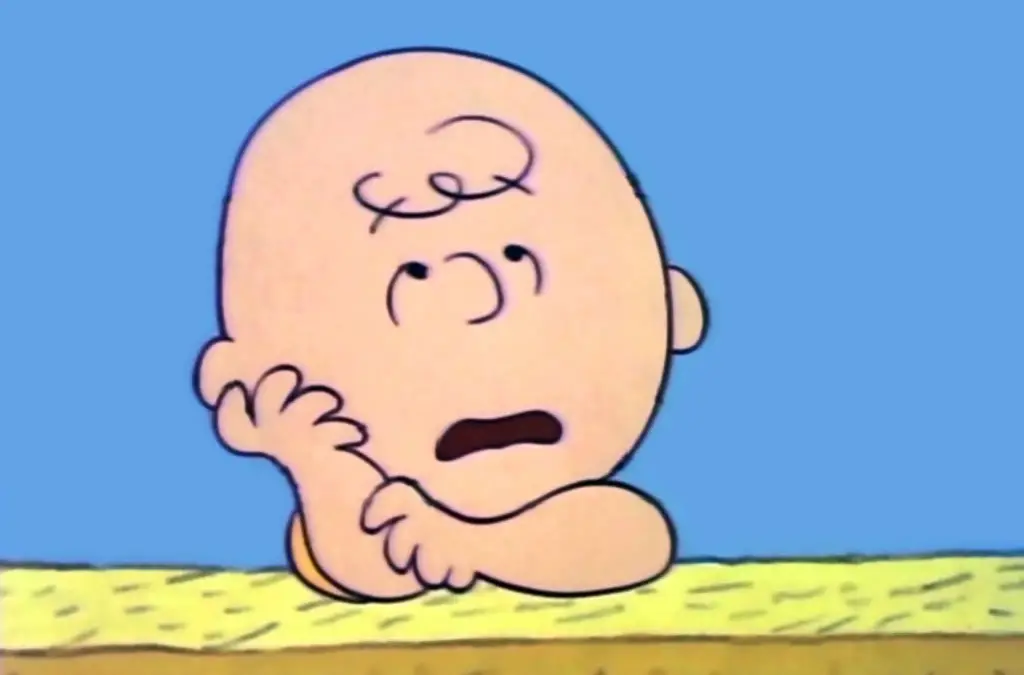
Charlie Brown's Kite-Eating Tree Remains Undefeated Icon After 61 Years
Image: © Polygon
Latest

Charlie Brown's Kite-Eating Tree Remains Undefeated Icon After 61 Years

WireByte Staff · November 22, 2026

Sixty-one years after its debut, the Kite-Eating Tree from Charles Schulz's Peanuts remains a cultural symbol of persistent failure. Schulz based the character on real-world observations of kites disappearing into foliage. The tree’s enduring popularity highlights the comic’s unique blend of humor and melancholy, cementing its status as one of the franchise’s most recognizable antagonists.

Key points

  • The Kite-Eating Tree, introduced in March 1965, serves as Charlie Brown's primary nemesis in the Peanuts comic strip.
  • Creator Charles Schulz inspired the character through observational humor, noting how wildlife and weather gradually conceal kites stuck in trees.
  • The tree is described as a malevolent force that deliberately captures and consumes Charlie Brown's kites, creating a one-sided rivalry.
  • Schulz detailed the character's origin in his 2010 autobiographical collection, My Life With Charlie Brown.
  • The character remains a significant cultural icon, representing the persistent bad luck and failure that define Charlie Brown's character.

A Unique Antagonist in a Gentle World

Charles Schulz's Peanuts is widely celebrated for its gentle humor and emotional depth, rarely featuring traditional villains. While the strip includes antagonists such as Lucy Van Pelt and the general cloud of failure that often surrounds Charlie Brown, it is unusual to encounter a genuinely malevolent force. One exception stands out: the Kite-Eating Tree. This character, introduced in March 1965, has remained a steadfast symbol of defeat and frustration for over six decades. Unlike human characters who may act out of malice or misunderstanding, the tree operates as an impersonal, almost predatory entity that consistently thwarts Charlie Brown's efforts.

The Origin of the Nemesis

Charlie Brown's hobby of kite-flying, despite his lack of skill, is a recurring theme in the strip. His devotion to the activity persists even though he frequently ends up with his kite tangled in branches or himself wrapped in string. This recurring struggle eventually introduced him to his arch-rival. The Kite-Eating Tree is depicted as an unidentified tree in Charlie Brown's neighborhood that seems to actively grab and consume his kites. This one-sided rivalry highlights the tree's role as a persistent obstacle, embodying the frustration of trying and failing despite one's best efforts.

Observational Humor and Real-World Inspiration

According to Schulz, the inspiration for the Kite-Eating Tree stemmed from simple observational humor. In his 2010 autobiographical collection, My Life With Charlie Brown, Schulz explained that he noticed a kite stuck in a tree would slowly disappear over several weeks. Wildlife and the elements would gradually obscure the kite, making it seem as though the tree had eaten it. This real-world observation was transformed into a character that personifies the inevitability of failure, adding a layer of dark humor to the otherwise lighthearted strip.

Enduring Cultural Impact

Sixty-one years after its debut, the Kite-Eating Tree remains a powerful icon of the Peanuts franchise. It represents more than just a plot device; it symbolizes the universal experience of facing obstacles that seem insurmountable. The tree's ability to consistently defeat Charlie Brown, despite his persistence, resonates with audiences who understand the frustration of repeated failure. This enduring popularity underscores the strip's ability to blend humor with melancholy, creating characters and scenarios that are both relatable and timeless.

The Tree as a Symbol of Failure

The Kite-Eating Tree's significance extends beyond its role in the comic. It has become a cultural shorthand for any situation where efforts are thwarted by external forces beyond one's control. The tree's malevolence is not malicious in a human sense but rather an embodiment of fate or circumstance. This interpretation adds depth to the character, making it a subject of analysis and appreciation among fans and scholars alike. The tree's undefeated status in the face of Charlie Brown's persistent attempts highlights the strip's nuanced approach to success and failure.

Legacy of the Kite-Eating Tree

The Kite-Eating Tree's legacy is cemented in the history of comic strips. It stands as one of the most recognizable antagonists in popular culture, rivaling human characters in its impact. Schulz's creation continues to be referenced in discussions about the nature of failure and the persistence required to face it. The tree's ability to evoke both laughter and empathy demonstrates the complexity of Schulz's storytelling. As Peanuts continues to be celebrated for its emotional resonance, the Kite-Eating Tree remains a testament to the strip's enduring appeal.

Key takeaways

  • The Kite-Eating Tree debuted in March 1965 as Charlie Brown's primary nemesis in the Peanuts strip.
  • Charles Schulz based the character on real-world observations of kites disappearing into trees due to wildlife and weather.
  • The tree is depicted as a malevolent force that consistently captures and consumes Charlie Brown's kites.
  • Schulz detailed the character's origin in his 2010 autobiographical collection, My Life With Charlie Brown.
  • The Kite-Eating Tree remains a significant cultural icon, symbolizing persistent failure and frustration.
  • The character's undefeated status highlights the strip's blend of humor and melancholy, resonating with audiences worldwide.

Sources

  • polygon.com
WireByte Staff — Editorial Team

The WireByte editorial team synthesises technology news from multiple primary sources, verifies the facts, and links every source. Articles are produced with AI assistance and reviewed under our editorial policy.

More in Latest

Dragon Quest 11: A Guide for Busy Gamers

Dragon Quest 11: A Guide for Busy Gamers

Dragon Quest 11: Echoes of an Elusive Age offers a 86-hour JRPG experience adaptable for…

technology news

Why 3D Printer Calibration Is Critical for Print Quality

3D printing failures often stem from uncalibrated hardware, leading to wasted filament a…

technology news

Audio Experts: In-Ear Earbuds Deliver Superior Sound Fidelity

Audio engineers emphasize that in-ear earbuds provide the best sound quality due to pass…

Tech Terminology: The Distinction Between Disc and Disk

Tech Terminology: The Distinction Between Disc and Disk

In technology, the spelling of 'disc' versus 'disk' indicates specific storage media typ…

Jeffrey Wright on His Role in 'Fallout' and Industry Representation

Jeffrey Wright on His Role in 'Fallout' and Industry Representation

Actor Jeffrey Wright discusses his portrayal of a complex character in the Amazon series…

Latest

Home Network Congestion: Why More Devices Don't Always Mean Better Speed

Home Network Congestion: Why More Devices Don't Always Mean Better Speed

Connecting numerous devices to a home network can cause severe congestion, leading to bu…

Samsung and LG Battle for OLED TV Supremacy Amid Tech Disputes

Samsung and LG Battle for OLED TV Supremacy Amid Tech Disputes

Samsung and LG dominate the OLED TV market, each leveraging distinct panel technologies.…

Dragon Quest 11: A Guide for Busy Gamers

Dragon Quest 11: A Guide for Busy Gamers

Dragon Quest 11: Echoes of an Elusive Age offers a 86-hour JRPG experience adaptable for…

OpenRouter Removes Providers Over Data Retention Concerns

OpenRouter Removes Providers Over Data Retention Concerns

OpenRouter has offboarded three inference providers and revoked Zero Data Retention stat…

Netflix Develops Live-Action D&D Ravenloft Series After Canceling Forgotten Realms

Netflix Develops Live-Action D&D Ravenloft Series After Canceling Forgotten Realms

Netflix is developing a live-action Dungeons & Dragons series based on the horror-themed…

cinema entertainment

Nicalis Removes AI Music From Binding of Isaac After Backlash

Developer Nicalis removed undisclosed AI-generated music from The Binding of Isaac: Repe…

Related articles

Dragon Quest 11: A Guide for Busy Gamers Latest Dragon Quest 11: A Guide for Busy Gamers WireByte

Dragon Quest 11: Echoes of an Elusive Age offers a 86-hour JRPG experience adaptable for short play sessions. Players can speed up battles, toggle random encounters, and save frequently at Sacred Stones. This flexibility allows completion of the 100-hour epic in fragmented time slots.

WireByte Staff · November 22, 2026

technology news Latest Why 3D Printer Calibration Is Critical for Print Quality WireByte

3D printing failures often stem from uncalibrated hardware, leading to wasted filament and poor dimensional accuracy. Key steps include mechanical checks, bed leveling, Z-offset adjustments, and E-step calibration. Regular maintenance ensures consistent print quality, especially after hardware changes or printer relocation.

WireByte Staff · November 22, 2026

technology news Latest Audio Experts: In-Ear Earbuds Deliver Superior Sound Fidelity WireByte

Audio engineers emphasize that in-ear earbuds provide the best sound quality due to passive noise cancellation and secure fit. Unlike open-ear designs, these models block external distractions, maximizing perceived volume and detail. While comfort and price vary, proper eartip selection is crucial for optimal audio performance.

WireByte Staff · November 22, 2026

Tech Terminology: The Distinction Between Disc and Disk Latest Tech Terminology: The Distinction Between Disc and Disk WireByte

In technology, the spelling of 'disc' versus 'disk' indicates specific storage media types. 'Disk' with a 'k' refers to magnetic storage like hard drives, while 'disc' with a 'c' denotes optical media such as CDs. This linguistic nuance helps users identify the underlying technology and function of the hardware component in question.

WireByte Staff · November 21, 2026

Jeffrey Wright on His Role in 'Fallout' and Industry Representation Latest Jeffrey Wright on His Role in 'Fallout' and Industry Representation WireByte

Actor Jeffrey Wright discusses his portrayal of a complex character in the Amazon series 'Fallout,' emphasizing the importance of diverse casting in major sci-fi franchises. He highlights the collaborative environment on set and the global impact of the show's adaptation of the beloved video game, noting audience reception and critical acclaim for the series' faithfulness to source material.

WireByte Staff · November 21, 2026

Home Network Congestion: Why More Devices Don't Always Mean Better Speed Technology Home Network Congestion: Why More Devices Don't Always Mean Better Speed WireByte

Connecting numerous devices to a home network can cause severe congestion, leading to buffering, lag, and slow downloads. While upgrading routers or internet plans is a common fix, bandwidth is shared among all connected gadgets. A single smartphone can consume significant resources, meaning performance issues often stem from total device load rather than just hardware limitations.

WireByte Staff · November 22, 2026

WireByte

Tech & AI news, synthesised and to the point.

Delivering original syntheses and breaking news with cited sources. Stay informed with WireByte.

Sections

  • AI & Machine Learning
  • Technology
  • Science
  • Space & Astronomy
  • Gaming & Esports

Company

  • About Us
  • Editorial Policy
  • Privacy Policy
  • Contact: [email protected]

Newsletters

Get the stories that matter, delivered to your inbox.

© 2026 WireByte. All rights reserved. Original syntheses with cited sources.

Home Search