Samsung and LG Battle for OLED TV Supremacy Amid Tech Disputes
Samsung and LG dominate the OLED TV market, each leveraging distinct panel technologies. Since Samsung's 2022 return, its QD-OLEDs offer superior color saturation, while LG's long-standing expertise provides unique color pops. However, both manufacturers face criticism regarding technical transparency and recent quality issues, complicating consumer choices.
Key points
- Samsung and LG remain the primary competitors in the global OLED television market.
- LG pioneered the technology in 2010, while Samsung returned to the market in 2022 with QD-OLED panels.
- Samsung's QD-OLED displays reportedly outperform LG's in color saturation and sharpness.
- LG's OLEDs are noted for unique color reproduction that distinguishes them from other panels.
- Both companies face consumer criticism for opaque panel specifications and recent quality control issues.
- The choice between brands depends on specific viewing needs rather than a single superior technology.
The OLED Landscape
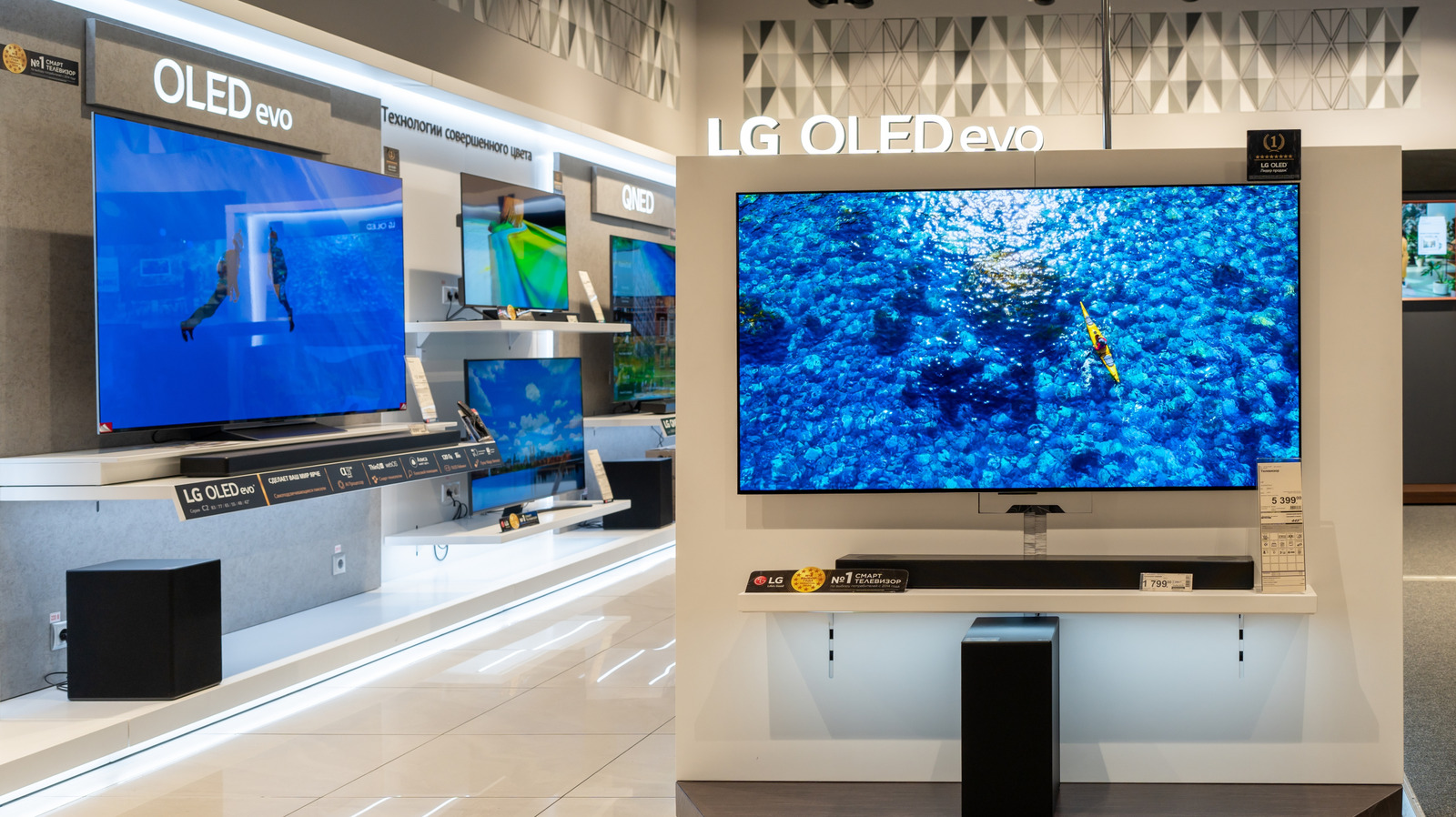
The global television market is currently defined by a fierce rivalry between two tech giants: Samsung and LG. Both companies have established dominant positions in the organic light-emitting diode (OLED) sector, a technology that has evolved significantly since its early commercialization. While consumers often view these brands as direct substitutes, the underlying technologies and strategic approaches differ substantially, creating a complex decision-making process for buyers worldwide.
Historical Context and Market Entry
LG's involvement in the OLED space dates back to 2010, when the company introduced the 15EL9500, a modest 15-inch display that signaled its entry into the technology. This early investment laid the groundwork for LG's subsequent expansion. By 2012, LG had developed its first 55-inch OLED television, marking a significant step toward mainstream adoption. Over the following decade, LG systematically built a strong foothold in the industry, refining its panel manufacturing processes and establishing a reputation for reliable, high-quality displays.
Samsung's Strategic Return
In contrast, Samsung's journey with OLEDs has been more recent and aggressive. After a period of focusing on other display technologies, Samsung officially returned to the OLED TV market in 2022. The company has since invested heavily in display-panel innovations, aiming to carve out a distinct niche within the premium television segment. Samsung's primary offering is the QD-OLED, a hybrid technology that combines quantum dot layers with OLED structures. This approach has resulted in displays that are widely regarded as some of the sharpest consumer-grade OLEDs available, with particular strength in color saturation.
Comparative Performance
When comparing the two technologies, distinct characteristics emerge. Samsung's QD-OLED panels are often cited for their superior color saturation and sharpness, outperforming LG's panels in these specific metrics. However, LG's OLEDs are renowned for their unique color reproduction, offering a crisp pop that is difficult to replicate with other technologies. This divergence means that neither brand holds an unequivocal advantage; rather, each offers a different visual experience that may appeal to different segments of the market.
Transparency and Quality Concerns
Despite their technological prowess, both manufacturers face criticism regarding transparency and product quality. Samsung has been accused of obfuscating the specific panel technologies used in its televisions, making it difficult for consumers to understand the exact specifications of the devices they purchase. Similarly, LG has encountered backlash due to quality concerns associated with the launch of its G6 series. These issues highlight the challenges both companies face in maintaining consumer trust while pushing the boundaries of display technology.
Beyond the Panel
Ultimately, the decision between Samsung and LG OLEDs extends beyond raw panel specifications. Factors such as brand ecosystem, software interface, and viewing environment play crucial roles in the consumer experience. The complexity of the OLED market, with its three main panel types and varying manufacturer approaches, means that there is no single perfect television. Instead, buyers must weigh the specific strengths of each brand against their personal preferences and viewing habits.
Key takeaways
- Samsung and LG are the leading competitors in the OLED TV market.
- LG entered the OLED market in 2010, while Samsung returned in 2022.
- Samsung's QD-OLED technology offers higher color saturation than LG's panels.
- LG's OLEDs provide unique color reproduction distinct from other displays.
- Both companies face criticism for lack of transparency and quality issues.
- Consumer choice depends on software, brand, and specific viewing needs.
Sources
The WireByte editorial team synthesises technology news from multiple primary sources, verifies the facts, and links every source. Articles are produced with AI assistance and reviewed under our editorial policy.