Apple to Unveil Siri Smart Glasses at WWDC 2027
Apple plans to announce its first smart glasses at WWDC 2027, with shipments expected by year-end. The N50 prototype relies on Siri and iPhone integration rather than standalone augmented reality. Design features include a sleek frame thinner than Meta Ray-Bans and a compact magnetic charger. The device aims to leverage Apple’s app ecosystem for visual AI tasks.
Key points
- Apple, the technology giant, is scheduled to unveil its first smart glasses at the Worldwide Developers Conference (WWDC) in June 2027.
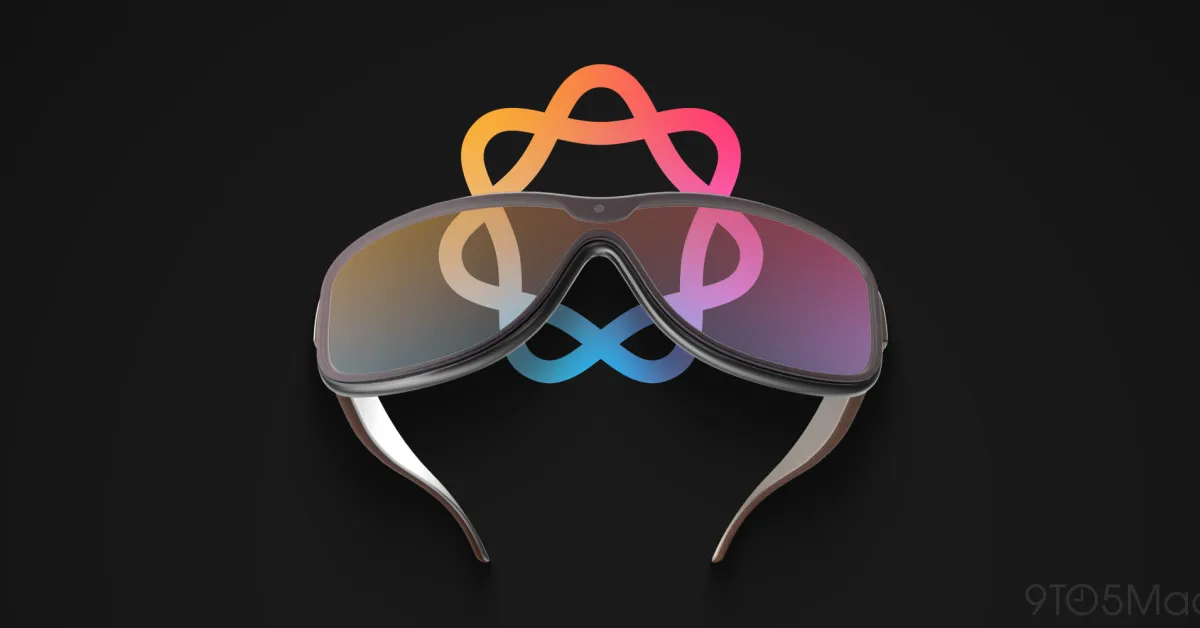
- The internal prototype, code-named N50, is slightly thinner than Meta’s second-generation Ray-Ban glasses and features oval camera openings flush with the frame.
- The device will not display augmented reality imagery but will use Siri to identify buildings, translate signs, and suggest meals based on visual input.
- Apple is developing a flat, rectangular magnetic charger roughly the size of a Tic Tac that allows users to charge the glasses while wearing them.
- The glasses will rely on a nearby iPhone for app execution, though Wi-Fi connectivity provides some independence for third-party app integrations.
- Internal testers describe the audio quality as industry-leading, supporting music, calls, and FaceTime audio, while privacy features are being actively developed.
Apple’s Entry into Wearable AI
Apple is preparing to make its long-awaited entry into the smart glasses market, signaling a strategic shift toward integrating artificial intelligence into everyday wearable devices. According to reports from Bloomberg’s Mark Gurman, the company is set to officially announce its first model of smart glasses at the Worldwide Developers Conference (WWDC) in June 2027. While the announcement will mark a significant milestone, actual shipments are not expected to begin until later in the year, allowing time for final manufacturing adjustments and supply chain preparations. This timeline positions Apple to compete directly with established players in the AI-powered eyewear sector, particularly Meta, which has gained early traction with its Ray-Ban smart glasses.
Design and Hardware Specifications
The internal prototype, known by the code name N50, represents a significant refinement in industrial design. Sources indicate that the current prototypes are slightly thinner than Meta’s second-generation Ray-Ban glasses, a critical factor in achieving mainstream consumer adoption. Unlike previous AR headsets that often featured bulky frames, the N50 integrates oval-shaped camera openings that sit flush with the frame, avoiding protruding housings that might draw unwanted attention or feel cumbersome. A small light on the front of the glasses indicates when the device is in use or charging, addressing one of the common criticisms of previous smart eyewear regarding user privacy and awareness.
Apple is reportedly developing multiple styles and color options, emphasizing materials and aesthetics to appeal to a broad consumer base. The device runs a pared-down version of visionOS and utilizes a new processor based on older smartwatch chips, suggesting a focus on efficiency and battery life rather than raw computational power for standalone tasks. This hardware choice aligns with the device’s role as an accessory to the iPhone rather than a standalone computer.
Siri Integration and Functionality
The core functionality of the N50 glasses hinges on Apple’s revamped Siri AI. Unlike devices that rely on complex gesture controls or voice commands alone, the N50 uses the integrated cameras to provide visual context to Siri. Planned use cases include identifying buildings, suggesting meals based on ingredients visible in a refrigerator, providing navigation directions, and translating signs or conversations in real-time. Notably, the first model will not display augmented reality imagery on the lenses, distinguishing it from the Vision Pro headset and focusing instead on audio and camera-based interaction.
To support these features, Apple is laying the groundwork for deeper third-party app integration. Starting with iOS 27.3 beta, Apple is moving beyond simple Siri Shortcuts to allow fine-grained control over apps within the Siri ecosystem. This infrastructure is designed to ensure that when the glasses launch, a plethora of third-party integrations will be available, leveraging Apple’s vast app store to enhance the device’s utility.
Charging and Connectivity
A notable innovation in the N50’s design is its charging mechanism. Apple is experimenting with a flat, rectangular magnetic connector, roughly the size of a Tic Tac, which attaches near the end of the left temple arm. Internal testers have confirmed that this charger can be used even while the glasses are being worn, a feature that could significantly improve user convenience. However, Gurman notes that it remains unclear whether this specific charging system will be included in the final shipping product, as Apple continues to evaluate manufacturing feasibility.
The glasses rely on a nearby iPhone to execute most app functions, acting primarily as an accessory. However, Wi-Fi connectivity is included to grant a degree of independence, allowing apps to function even if the iPhone is not in immediate proximity. This hybrid approach aims to balance the computational needs of AI processing with the portability of lightweight eyewear.
Market Implications and Audio Quality
Apple’s strategy emphasizes audio quality, with internal testers describing the sound as industry-leading. The glasses are designed to support music playback, phone calls, and FaceTime audio, positioning them as a viable replacement for traditional earbuds for many users. This focus on audio, combined with privacy features that are still being developed, suggests Apple is targeting consumers who value discretion and high-quality sound in their wearable technology.
As Apple prepares to unveil the N50, the tech industry is watching closely to see how the company’s ecosystem advantages will translate into market share. The success of the glasses will depend on Apple’s ability to seamlessly integrate Siri’s visual AI capabilities with the convenience of everyday eyewear, potentially redefining how users interact with digital information in the physical world.
Key takeaways
- Apple will announce its first smart glasses at WWDC in June 2027, with shipments expected by year-end.
- The N50 prototype is thinner than Meta’s Ray-Bans and features flush-mounted cameras for a sleek design.
- Siri will drive the device’s functionality, using cameras for visual tasks like translation and identification.
- A compact magnetic charger allows for charging while wearing the glasses, though its final inclusion is unconfirmed.
- The device relies on iPhone integration and Wi-Fi, lacking standalone augmented reality displays.
Sources
The WireByte editorial team synthesises technology news from multiple primary sources, verifies the facts, and links every source. Articles are produced with AI assistance and reviewed under our editorial policy.