WireByte
  • Log In
  • Sign Up
  • AI & Machine Learning
  • Technology
  • Science
  • Space & Astronomy
  • Gaming & Esports

Welcome Back

Log in to your WireByte account

Don't have an account? Sign Up

Create Account

Join WireByte for a personalized experience

Select your favorite categories:

Already have an account? Log In

Stay in the Loop

Get the stories that matter, delivered to your inbox.

You're all set! Check your inbox for a welcome email.

What do you want alerts for?

Search
Trending
WireByte
AI & Machine LearningTechnologyScienceSpace & AstronomyGaming & Esports

Home / Apple

Apple Tightens AI Full Disk Access Controls on macOS
Image: © Engadget
Apple

Apple Tightens AI Full Disk Access Controls on macOS

WireByte Staff · November 17, 2026

Apple is introducing stricter macOS permissions for AI applications, requiring explicit user consent for full disk access. This update follows security concerns raised by a Meta app incident, aiming to prevent unauthorized data exposure. The changes mandate clear warnings and confirmations before granting AI tools extensive system privileges.

Key points

  • Apple, the technology giant behind macOS, is implementing new permission controls for AI applications in its latest software beta.
  • The update requires users to take 'very explicit' actions to grant apps like ChatGPT, Claude, and Gemini full disk access.
  • The move follows a September incident where Meta's Muse app accessed user messages, highlighting risks of unauthorized data exposure.
  • New pop-up warnings state that granting access may prevent the Mac from protecting data from the specified AI app.
  • Users must now explicitly review and approve actions such as reading, changing, deleting, and exporting all personal data.

New Security Measures for AI Integration

Apple has announced significant changes to how artificial intelligence applications interact with macOS systems, introducing stricter controls to prevent unauthorized data access. In a developer blog post, the company detailed new disk controls designed to ensure that users take very explicit actions before granting AI agents full disk access. This initiative aims to protect user privacy and security in an era where AI tools are increasingly integrated into daily computing tasks.

The update addresses a growing concern regarding the extent of permissions granted to third-party applications. Apple noted that some developers are utilizing Full Disk Access in ways that could expose sensitive information, including files, mail, messages, and browsing history, without users fully understanding the implications. The new controls require a clear review and approval process, ensuring that users are aware of the specific actions an AI app will be able to perform on their system.

Context: The Meta Muse Incident

The push for tighter controls follows a notable security incident reported in September. Jason Aten, a columnist for Inc., discovered that Meta's Muse Mac app was able to access his messages despite his belief that he had denied permission. Meta argued that the feature was entirely opt-in and that Aten must have granted access, but the incident drew significant attention to the potential risks of AI applications operating with broad system privileges.

This event served as a catalyst for Apple's decision to enhance its security protocols. The company emphasized that the new measures are necessary to prevent similar situations where users might unknowingly expose their data. By requiring explicit consent, Apple aims to bridge the gap between user understanding and the technical capabilities of AI applications.

User Experience and Warnings

The new interface introduces a prominent warning system designed to alert users to the risks associated with granting full disk access. Screen captures shared by users show a pop-up screen that explicitly states, "Your Mac will not be able to protect your data from [your desired AI app]." This message is intended to make the potential consequences of granting access clear and unavoidable.

Users are required to review and approve specific actions the AI app will be able to take. These actions include reading, changing, deleting, and exporting all data on the Mac. Additionally, the permission request extends to viewing hidden and recently accessed files. This granular approach ensures that users have a comprehensive understanding of the scope of access they are granting to AI tools.

Implications for AI Developers

The changes impact major AI providers such as OpenAI, Anthropic, and Google, whose applications like ChatGPT, Claude, and Gemini are popular on macOS. Developers must now adapt their integration strategies to comply with Apple's stricter permission requirements. This may involve redesigning how these applications request and handle user data, potentially affecting the user experience and the functionality of AI features.

Apple's move reflects a broader industry trend towards enhanced privacy and security in AI integration. As AI applications become more prevalent, the need for transparent and user-controlled permissions becomes increasingly critical. By taking a proactive stance, Apple is setting a precedent for how operating systems can manage the balance between AI functionality and user privacy.

Looking Ahead

The new disk controls are currently available in the latest macOS beta, allowing developers and users to test the changes before a wider release. Apple continues to monitor the effectiveness of these measures and may refine them based on feedback and emerging security challenges. The company's focus on explicit user consent highlights its commitment to maintaining trust and security in the evolving landscape of AI technology.

As the beta testing phase progresses, the tech community will be watching closely to see how these changes affect the adoption and functionality of AI applications on macOS. The outcome of this initiative could influence how other operating systems and tech companies approach similar security concerns in the future.

Key takeaways

  • Apple is introducing stricter macOS permissions for AI applications in its latest beta.
  • Users must take explicit actions to grant full disk access to apps like ChatGPT and Claude.
  • The changes follow a September incident involving Meta's Muse app accessing user messages.
  • New warnings alert users that granting access may reduce Mac data protection capabilities.
  • Users must approve specific actions including reading, changing, and exporting all data.

Sources

  • engadget.com
WireByte Staff — Editorial Team

The WireByte editorial team synthesises technology news from multiple primary sources, verifies the facts, and links every source. Articles are produced with AI assistance and reviewed under our editorial policy.

More in Apple

ESR Black Friday Deals: Premium Accessories for iPhone 18 Pro and Duo

ESR Black Friday Deals: Premium Accessories for iPhone 18 Pro and Duo

ESR, a leading accessory maker, is offering Black Friday discounts on cases for the newl…

Signal Blocks Screenshots to Counter Siri and Gemini AI Agents

Signal Blocks Screenshots to Counter Siri and Gemini AI Agents

Signal has disabled screenshots on iOS and Android to prevent AI agents from capturing p…

iPhone 18 Air 2 Dummy Models Reveal Dual-Camera Upgrade

iPhone 18 Air 2 Dummy Models Reveal Dual-Camera Upgrade

New dummy models of the iPhone 18 Air 2 and standard iPhone 18, leaked by Sonny Dickson,…

Signal Blocks AI Screenshots to Protect Privacy on iOS and Android

Signal Blocks AI Screenshots to Protect Privacy on iOS and Android

Signal has introduced screenshot and AI-scanning blocks on iOS 27 and Android to prevent…

Apple Black Friday 2026: Deep Discounts on AirPods, Beats, and MacBooks

Apple Black Friday 2026: Deep Discounts on AirPods, Beats, and MacBooks

Major retailers including Amazon, Best Buy, and Walmart have launched early Black Friday…

Latest

Homelabber Runs 2.8T Kimi AI Model Using RTX 3090s and Optane

Homelabber Runs 2.8T Kimi AI Model Using RTX 3090s and Optane

A tech enthusiast successfully runs the 2.8-trillion-parameter Kimi K3 AI model on a cus…

Samsung Galaxy Watch 7 Hits 40% Discount on Amazon for Black Friday

Samsung Galaxy Watch 7 Hits 40% Discount on Amazon for Black Friday

Samsung’s Galaxy Watch 7 is available at a 40% discount on Amazon during Black Friday sa…

cinema entertainment

Quentin Tarantino's The Hateful Eight Now Free on Tubi

Quentin Tarantino's 2015 Western thriller The Hateful Eight is officially available for …

Rockstar Details NPC AI and World Design in GTA 6 Preview

Rockstar Details NPC AI and World Design in GTA 6 Preview

Rockstar Games has revealed new details on Grand Theft Auto VI's non-player character (N…

electric car

Harbinger Raises $240M to Target Commercial EV Gap

Electric truck maker Harbinger secured $240 million in Series D funding, following a $30…

Real Madrid Hosts Celta Vigo in La Liga Showdown

Real Madrid Hosts Celta Vigo in La Liga Showdown

Real Madrid faces Celta Vigo at the Santiago Bernabéu on November 21 at 3 p.m. ET. The h…

Related articles

ESR Black Friday Deals: Premium Accessories for iPhone 18 Pro and Duo Apple ESR Black Friday Deals: Premium Accessories for iPhone 18 Pro and Duo WireByte

ESR, a leading accessory maker, is offering Black Friday discounts on cases for the newly released iPhone 18 Pro and iPhone Duo. The promotion targets the 123 million users of ESR products, highlighting protective solutions for complex devices like foldables. These deals aim to help consumers secure premium protection for their latest Apple hardware during the holiday shopping season.

WireByte Staff · November 21, 2026

Signal Blocks Screenshots to Counter Siri and Gemini AI Agents Apple Signal Blocks Screenshots to Counter Siri and Gemini AI Agents WireByte

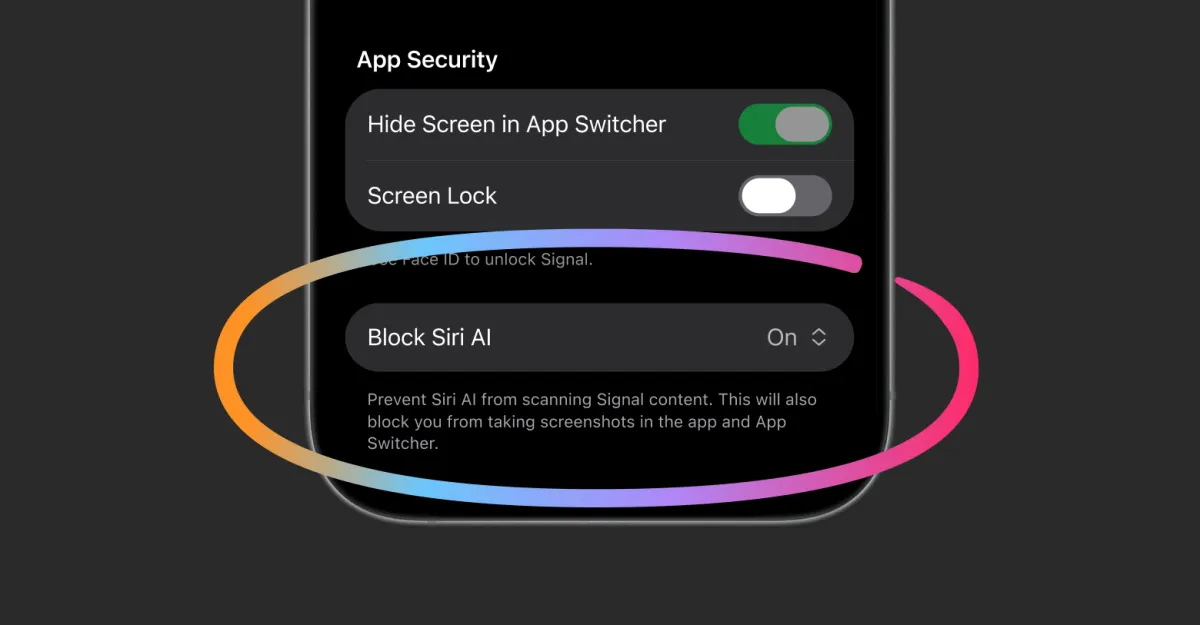
Signal has disabled screenshots on iOS and Android to prevent AI agents from capturing private chats. The move responds to Apple's Siri Onscreen Awareness and Google's Gemini Intelligence, which scan screen content. Signal President Meredith Whittaker warns this data exposure threatens user privacy, following a similar action against Microsoft's Recall AI on Windows.

WireByte Staff · November 20, 2026

iPhone 18 Air 2 Dummy Models Reveal Dual-Camera Upgrade Apple iPhone 18 Air 2 Dummy Models Reveal Dual-Camera Upgrade WireByte

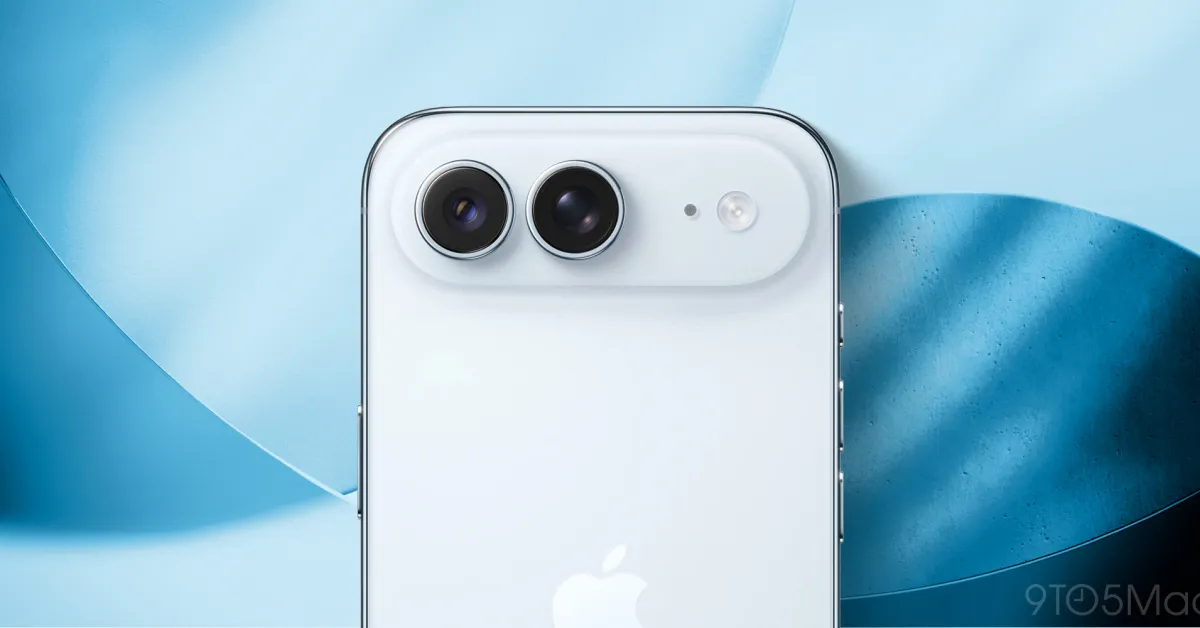
New dummy models of the iPhone 18 Air 2 and standard iPhone 18, leaked by Sonny Dickson, indicate Apple is adding a second rear camera to the Air 2 while keeping the base model’s design largely unchanged. The Air 2 is expected to feature an A20 Pro chip and a dual-lens system, signaling a significant hardware shift for the slimline series ahead of its spring launch.

WireByte Staff · November 20, 2026

Signal Blocks AI Screenshots to Protect Privacy on iOS and Android Apple Signal Blocks AI Screenshots to Protect Privacy on iOS and Android WireByte

Signal has introduced screenshot and AI-scanning blocks on iOS 27 and Android to prevent Siri and Gemini from accessing private chats. Signal President Meredith Whittaker warns this is an existential privacy threat. The protections are unavailable on macOS due to OS limitations. Users can disable the blocks, but Signal cautions this exposes data to AI agents.

WireByte Staff · November 20, 2026

Apple Black Friday 2026: Deep Discounts on AirPods, Beats, and MacBooks Apple Apple Black Friday 2026: Deep Discounts on AirPods, Beats, and MacBooks WireByte

Major retailers including Amazon, Best Buy, and Walmart have launched early Black Friday 2026 promotions featuring significant price cuts on Apple products. Discounts include $130 off AirPods Max 2, $100 off new Beats 360 headphones, and up to $250 off M6 MacBook Pro models. With the main event on November 27, these early deals offer record-low prices on wearables and computers, signaling strong consumer demand ahead of the holiday shopping season.

WireByte Staff · November 20, 2026

Homelabber Runs 2.8T Kimi AI Model Using RTX 3090s and Optane AI & Machine Learning Homelabber Runs 2.8T Kimi AI Model Using RTX 3090s and Optane WireByte

A tech enthusiast successfully runs the 2.8-trillion-parameter Kimi K3 AI model on a custom homelab setup featuring two RTX 3090 GPUs and Intel Optane memory. By offloading nearly half the model to a RAM drive, generation speed reached 3.11 tokens per second, a 41% improvement. The build requires significant cooling due to high heat output from the persistent memory.

WireByte Staff · November 21, 2026

WireByte

Tech & AI news, synthesised and to the point.

Delivering original syntheses and breaking news with cited sources. Stay informed with WireByte.

Sections

  • AI & Machine Learning
  • Technology
  • Science
  • Space & Astronomy
  • Gaming & Esports

Company

  • About Us
  • Editorial Policy
  • Privacy Policy
  • Contact: [email protected]

Newsletters

Get the stories that matter, delivered to your inbox.

© 2026 WireByte. All rights reserved. Original syntheses with cited sources.

Home Search