Apple Targets Face ID Integration for Second-Gen iPhone Duo
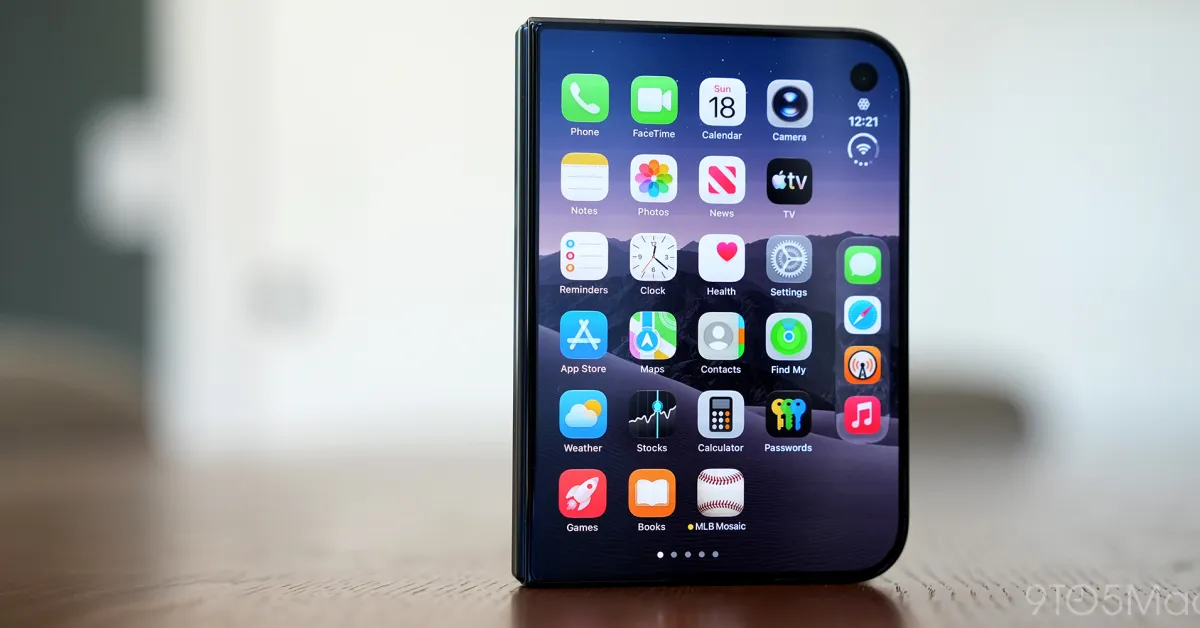
Apple is reportedly developing Face ID integration for the outer display of the second-generation iPhone Duo, scheduled for release next fall. While prototypes exist, tight timelines suggest the feature may debut with the third model in 2028. Other planned upgrades include a telephoto camera, a remappable Action Button, and a thinner design.
Key points
- Apple engineers are actively integrating Face ID into the outer display of the second-generation iPhone Duo, a device expected to launch next fall.
- Bloomberg’s Mark Gurman reports that while prototypes exist, tight development timelines mean the facial recognition feature might not be ready for the initial release.
- If delayed, Face ID integration is likely to arrive with the third-generation iPhone Duo in 2028.
- Apple has four primary goals for future Duo models: Face ID, a telephoto camera, a remappable Action Button, and a thinner, lighter chassis.
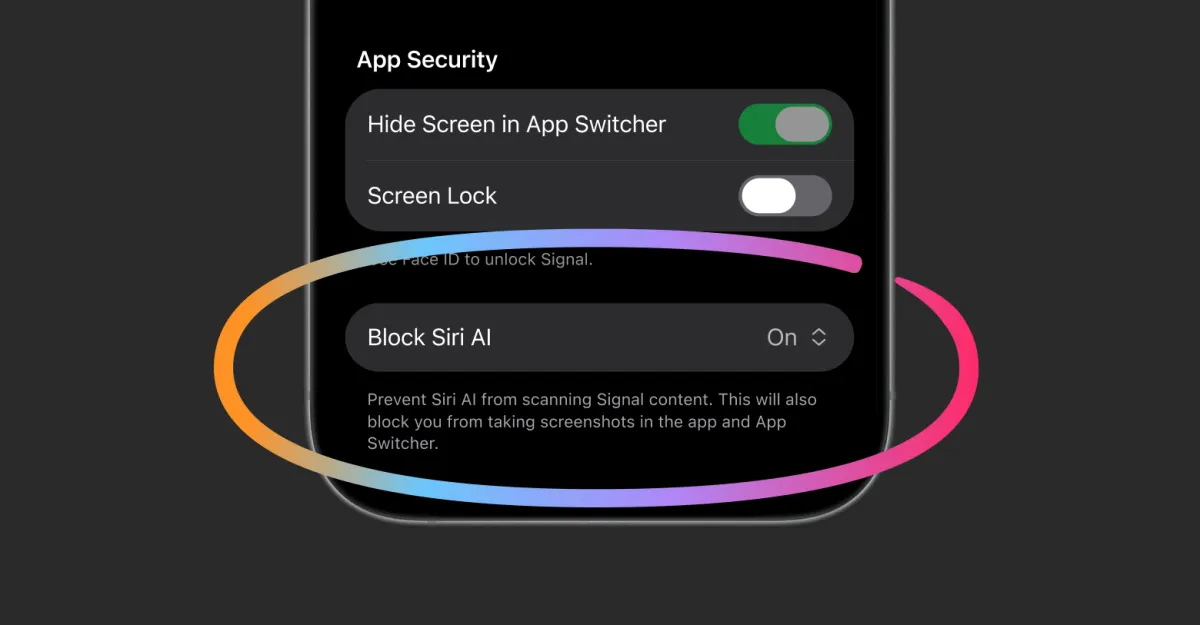
- The Action Button may function as a software extension of the Camera Control, allowing users to remap the hold action from Siri to a chosen app.
Development Priorities for iPhone Duo 2
Apple is currently focused on several key enhancements for the upcoming second-generation iPhone Duo, with facial recognition technology taking precedence. According to reports from Bloomberg’s Mark Gurman, Apple engineers are actively working to integrate Face ID into the device’s outer display. This feature is considered the top priority for the next iteration of the dual-screen smartphone, which is scheduled for release in the fall of next year. The company has already developed prototypes that include this capability, marking a significant step in the device’s evolution.
Timeline Uncertainties and Potential Delays
Despite the progress on prototypes, the integration of Face ID faces significant scheduling challenges. Gurman notes that Apple is running out of time to finalize the feature for the second-generation model. Consequently, there is no certainty that the facial recognition system will be available at launch. If the technology is not ready in time, it is likely to be deferred to the third-generation iPhone Duo, which is expected to arrive in 2028. This potential delay highlights the complexity of embedding advanced biometric sensors into a dual-screen form factor.
Additional Hardware and Software Upgrades
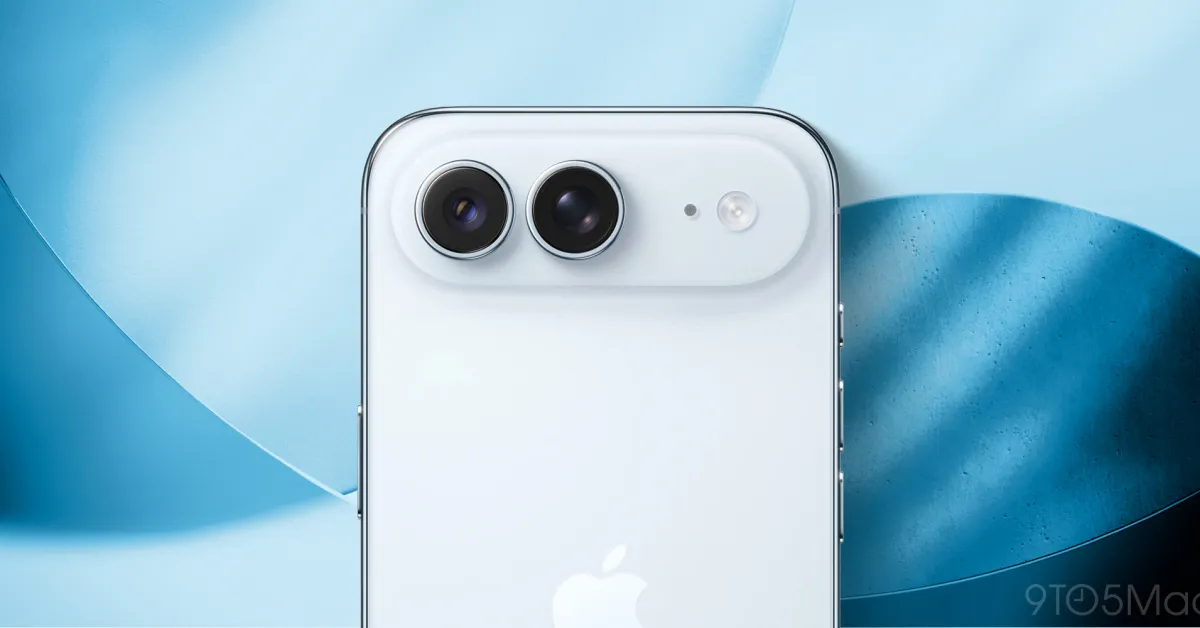
Beyond facial recognition, Apple has outlined three other major goals for future iPhone Duo models. These include the addition of a telephoto camera, the implementation of a thinner and lighter design, and the introduction of a new Action Button. The telephoto camera aims to enhance the device’s photographic capabilities, addressing a gap in the current model’s system. Meanwhile, the push for a thinner and lighter chassis reflects ongoing efforts to improve the ergonomics and portability of the dual-screen device.
The Action Button and Camera Control
The new Action Button is expected to serve as a software extension of the existing Camera Control feature. Rather than a standalone hardware button, it may allow users to remap the hold action currently assigned to Siri. This change would enable users to assign the hold function to a different application of their choice, providing greater flexibility in how they interact with the device’s camera and other functions. This software-focused approach allows for customization without requiring additional physical hardware.
Market Context and Consumer Response
The development of the iPhone Duo 2 occurs amidst mixed consumer reception of the original model. Recent reports indicate that Apple retail staff have been instructed to discourage walk-in purchases on launch day, citing a lack of stock for customers without pre-orders. This suggests strong initial demand, but also potential supply chain constraints. Additionally, some early adopters have reported issues with the device’s hinge, with screens breaking along the fold line, raising questions about the durability of the dual-screen design.
Strategic Implications for Apple
Apple’s focus on integrating Face ID into the outer display underscores its commitment to making the iPhone Duo a viable primary device. By adding biometric security to the external screen, Apple aims to enhance the convenience and security of using the device in its single-screen mode. The simultaneous pursuit of camera improvements and a lighter design indicates a strategy to address the main criticisms of the first generation. These upgrades are essential for maintaining the device’s competitiveness in the premium smartphone market.
Looking Ahead to 2028
If Face ID is delayed until the third-generation model, Apple will have two years to refine the technology for a dual-screen environment. This timeline allows for further engineering work to ensure the facial recognition system is robust and reliable. The 2028 release of the iPhone Duo 3 will likely feature a more mature version of the device, incorporating all four planned upgrades. This long-term view suggests Apple is willing to iterate on the form factor rather than rushing a feature to market.
Key takeaways
- Apple engineers are integrating Face ID into the outer display of the second-generation iPhone Duo, with prototypes already developed.
- Tight timelines may delay the feature until the third-generation iPhone Duo in 2028.
- Four primary goals for future models include Face ID, a telephoto camera, a remappable Action Button, and a thinner design.
- The Action Button may allow users to remap the Camera Control hold action from Siri to other apps.
- Early market response includes strong demand but also reports of hinge durability issues and stock shortages.
- Apple’s strategy focuses on refining the dual-screen form factor to address consumer feedback and enhance usability.
Sources
The WireByte editorial team synthesises technology news from multiple primary sources, verifies the facts, and links every source. Articles are produced with AI assistance and reviewed under our editorial policy.