Apple Releases macOS 27.3 Beta 2 and macOS 15.8.4, 26.7.4 RCs
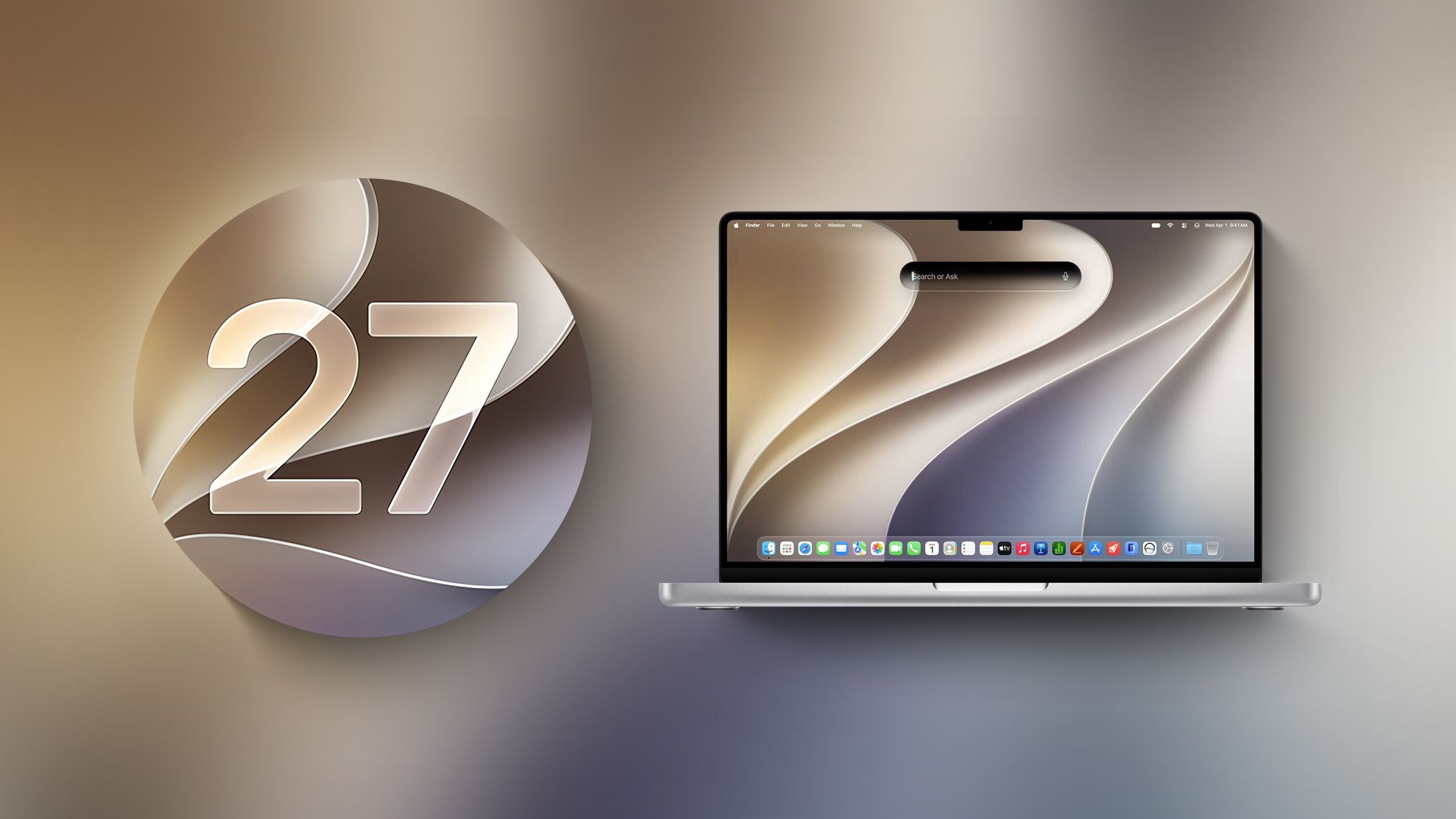
Apple has released the second developer beta of macOS 27.3, alongside the first release candidates for macOS Sequoia 15.8.4 and macOS Tahoe 26.7.4. These updates primarily deliver security fixes for Mac computers. The macOS 27.3 beta follows the recent Golden Gate 27.2.1 patch, which addressed compromised web certificates. Release candidates signal imminent stable updates for current macOS versions.
Key points
- Apple released the second developer beta of macOS 27.3, the next major version of its desktop operating system, on Monday, November 16, 2026.
- The company also issued the first release candidates (RCs) for macOS Sequoia 15.8.4 (build 24H319) and macOS Tahoe 26.7.4 (build 25G422).
- Official release notes for the RCs cite only generic 'security fixes for your Mac,' with detailed changelogs expected upon final public release.
- The macOS 27.3 beta follows the November 9 release of macOS Golden Gate 27.2.1, which patched vulnerabilities related to compromised eMudhra web certificates.
- These updates continue Apple's strategy of providing early security patches to developers and beta testers before stable rollout to the general public.
Early Access for Developers and Beta Testers
Apple has expanded its software testing pipeline by releasing the second developer beta of macOS 27.3, alongside the first release candidates for two existing operating system versions. The updates, announced on Monday, November 16, 2026, provide developers and beta testers with early access to upcoming security patches and potential feature refinements. This release cycle underscores Apple's standard practice of distributing critical security updates to a limited audience before they reach the broader user base through public software updates.
The macOS 27.3 beta is the second preview of the next major iteration of Apple's desktop operating system. macOS 27, previously codenamed Golden Gate, represents a significant architectural shift in Apple's software ecosystem. The initial major update, macOS 27.2, was released in late October and introduced substantial changes to system interfaces, including overhauls to brightness and volume sliders, as well as the expansion of Siri AI capabilities to additional languages such as French and Japanese. The subsequent minor update, macOS 27.2.1, released on November 9, focused on stability and security, specifically addressing issues with command-line tools accepting compromised web certificates from eMudhra. Apple had previously blocked these certificates on October 19, 2026, highlighting the urgency of the subsequent patch.
Release Candidates for Current macOS Versions
In addition to the forward-looking macOS 27.3 beta, Apple is rolling out the first release candidates for macOS Sequoia 15.8.4 and macOS Tahoe 26.7.4. Release candidates are software builds that are feature-complete and intended for final testing before public release. The build for macOS Sequoia 15.8.4 RC 1 is identified as 24H319, while the build for macOS Tahoe 26.7.4 RC 1 is 25G422. These builds follow the recent release of macOS Sequoia 15.8.3 and macOS Tahoe 26.7.3, which also included security fixes for AirPlay, Bluetooth, and Messages.
As is typical with direct-to-RC rollouts, Apple's initial release notes for these updates are sparse, stating only that they provide "security fixes for your Mac." Detailed changelogs outlining specific vulnerabilities addressed are generally withheld until the official public release of the updates, which is expected in the coming weeks. This approach allows Apple to manage the narrative around security disclosures and ensure that users receive tested, stable patches without prematurely revealing technical details that could be exploited.
Contextualizing the macOS 27 Transition
The release of macOS 27.3 occurs during a transitional period for Apple's Mac software. macOS 27 remains the final release with full support for Rosetta, the translation tool that allows Intel-based applications to run on Apple Silicon Macs. Apple has indicated plans to phase out general-purpose Rosetta support in future updates, making the current macOS 27.x versions critical for users relying on legacy software. The decision to not remove Rosetta installations during upgrades in macOS 27.2 was a significant change from previous behaviors, aiming to reduce friction for enterprise and power users.
Security Focus and Future Implications
The consistent emphasis on security fixes in these updates reflects the ongoing challenges faced by major operating system developers. The inclusion of patches for compromised certificates and various protocol vulnerabilities in AirPlay and Bluetooth demonstrates the breadth of security concerns in modern computing environments. For enterprise IT administrators, these updates are particularly relevant as they prepare for the eventual deprecation of Rosetta and the migration to fully native Apple Silicon applications.
The release of release candidates for macOS Sequoia and Tahoe suggests that Apple is nearing the final stages of the 15.8 and 26.7 update cycles. Users on these versions can expect stable public releases soon, which will include the security improvements tested in the RCs. Meanwhile, developers working on macOS 27 applications should continue to test against the 27.3 beta to ensure compatibility with upcoming system changes.
Key takeaways
- Apple released the second developer beta of macOS 27.3 on November 16, 2026.
- First release candidates for macOS Sequoia 15.8.4 (build 24H319) and macOS Tahoe 26.7.4 (build 25G422) are now available.
- Updates primarily address security vulnerabilities, with detailed notes expected upon public release.
- macOS 27.3 follows the recent 27.2.1 patch that fixed compromised eMudhra certificate issues.
- These releases precede the final public rollout of security updates for current macOS versions.
Sources
The WireByte editorial team synthesises technology news from multiple primary sources, verifies the facts, and links every source. Articles are produced with AI assistance and reviewed under our editorial policy.