Apple Releases macOS 27.2.1 to Fix eMudhra Certificate Vulnerability
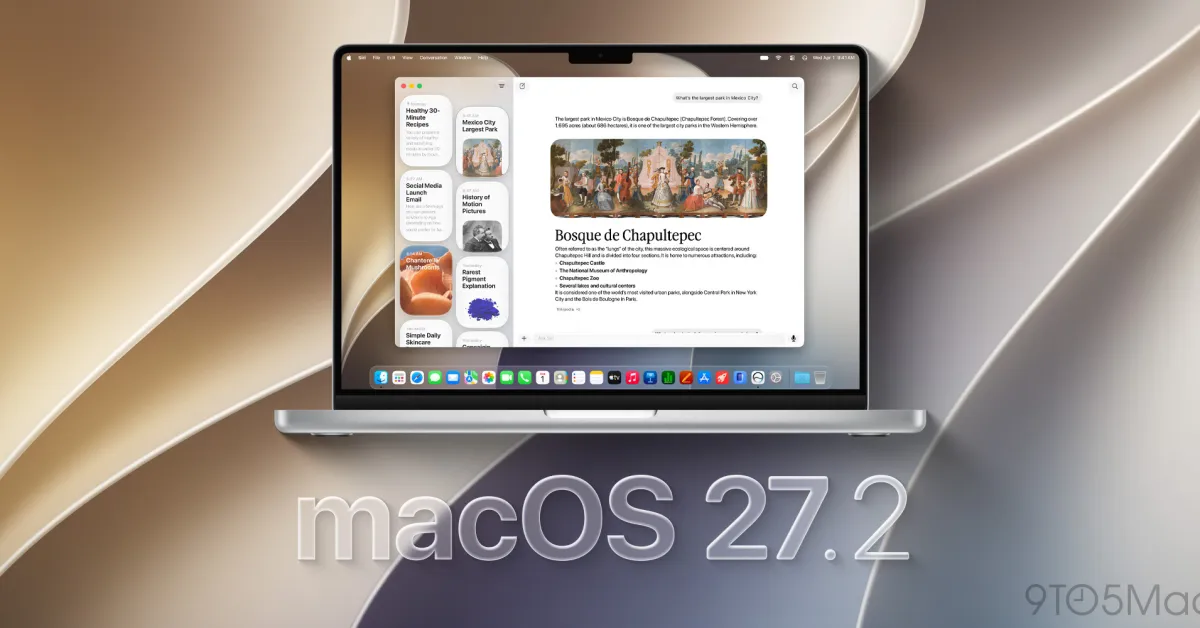
Apple has released macOS 27.2.1, addressing a critical flaw in the eMudhra certificate authority that allowed attackers to generate fraudulent SSL certificates. The update secures command-line tools like curl and git, which previously remained vulnerable despite earlier browser-level blocks. This patch is available for macOS 27.2.1, Sequoia 15.8.3, and Tahoe 26.7.3, ensuring global user protection against identity spoofing attacks.
Key points
- Apple released macOS 27.2.1, macOS Sequoia 15.8.3, and macOS Tahoe 26.7.3 to address a security vulnerability involving compromised eMudhra certificates.
- The update specifically targets command-line tools such as curl and git, which previously accepted the fraudulent certificates despite earlier browser-level restrictions.
- The vulnerability stemmed from eMudhra certificates using private keys below 256 bits, a flaw identified by Mozilla that allowed attackers to create valid-looking fraudulent certificates.
- Users unable to update immediately are advised to manually remove affected root certificates from the /etc/ssl/cert.pem file, a workaround Apple continues to support.
- The release builds include macOS 27.2.1 (26B131), macOS Sequoia 15.8.3 (24H241), and macOS Tahoe 26.7.3 (25G342), with specific builds for new hardware like the PROLED XDR Display.
Critical Security Patch for Command-Line Tools
Apple has officially released macOS 27.2.1, a security update designed to address a significant vulnerability associated with the eMudhra certificate authority. This release joins the simultaneous official launches of macOS Sequoia 15.8.3 and macOS Tahoe 26.7.3, marking a coordinated effort to secure the macOS ecosystem against identity spoofing attacks. The primary focus of this update is to close a gap that left command-line utilities exposed to malicious actors, a risk that persisted even after Apple had previously restricted the use of compromised certificates in Safari, Mail, and other applications.
The eMudhra Vulnerability Explained
The security flaw centers on certificates issued by eMudhra, a certificate authority whose security was compromised. An investigation launched by Mozilla revealed that these certificates utilized private key values below 256 bits. This cryptographic weakness made the keys trivial to recover, allowing attackers to generate fraudulent certificates that appeared valid to browsers and system tools. These fraudulent certificates could be used to intercept traffic or impersonate legitimate websites, posing a severe risk to user data and privacy.
Closing the Command-Line Gap
Prior to the release of macOS 27.2.1, Apple had taken steps to protect most users by blocking the compromised certificates in Safari, Mail, and apps utilizing Apple frameworks. However, command-line tools such as curl and git were not bound by these same restrictions and continued to accept the fraudulent certificates. This discrepancy left developers and system administrators using terminal-based tools vulnerable to man-in-the-middle attacks. macOS 27.2.1 rectifies this by ensuring that command-line tools no longer accept the compromised eMudhra certificates, aligning their security posture with that of graphical applications.
Build Numbers and Release Details
The official release builds for the updated operating systems are now available for download. macOS Sequoia 15.8.3 carries the build number 24H241, while macOS Tahoe 26.7.3 is identified by build 25G342. The main macOS 27.2.1 update is designated as build 26B131. For users of the new MacBook Pro featuring the PROLED XDR Display, a specific build, 26B8132, has been released to ensure compatibility with the advanced hardware. These updates follow the release of Release Candidates (RCs) last week, which allowed for final testing before the official rollout.
Workarounds for Unpatched Systems
Apple recognizes that not all users can update their systems immediately. For those unable to install macOS 27.2.1, the company continues to provide instructions for a manual workaround. Users are directed to manually remove the affected root certificates from the /etc/ssl/cert.pem file on their Macs. This temporary measure helps protect users from the vulnerability until they can apply the official software update. Apple has kept these instructions available on its support pages to assist users in mitigating the risk during the transition period.
Broader Security Context
This release underscores Apple's ongoing efforts to issue security updates more frequently in response to the growing number of vulnerabilities discovered in software. The increasing sophistication of AI-based tools used in cyberattacks has heightened the need for rapid patch deployment. By addressing the eMudhra flaw in both the stable release and the earlier beta version of macOS 27.3, Apple ensures that users do not have to wait for future major updates to secure their devices. The inclusion of this fix in the current stable release highlights the priority placed on protecting user data across all platforms.
Key takeaways
- Apple released macOS 27.2.1, Sequoia 15.8.3, and Tahoe 26.7.3 to fix eMudhra certificate flaws.
- The update secures command-line tools like curl and git, which were previously vulnerable.
- Mozilla identified that eMudhra certificates used weak private keys below 256 bits.
- Users unable to update can manually remove affected certificates from /etc/ssl/cert.pem.
- Official build numbers are 26B131 for macOS 27.2.1, 24H241 for Sequoia, and 25G342 for Tahoe.
Sources
The WireByte editorial team synthesises technology news from multiple primary sources, verifies the facts, and links every source. Articles are produced with AI assistance and reviewed under our editorial policy.