Apple Prototyping Four iPhone 20 Models with Curved and Flat Glass Designs
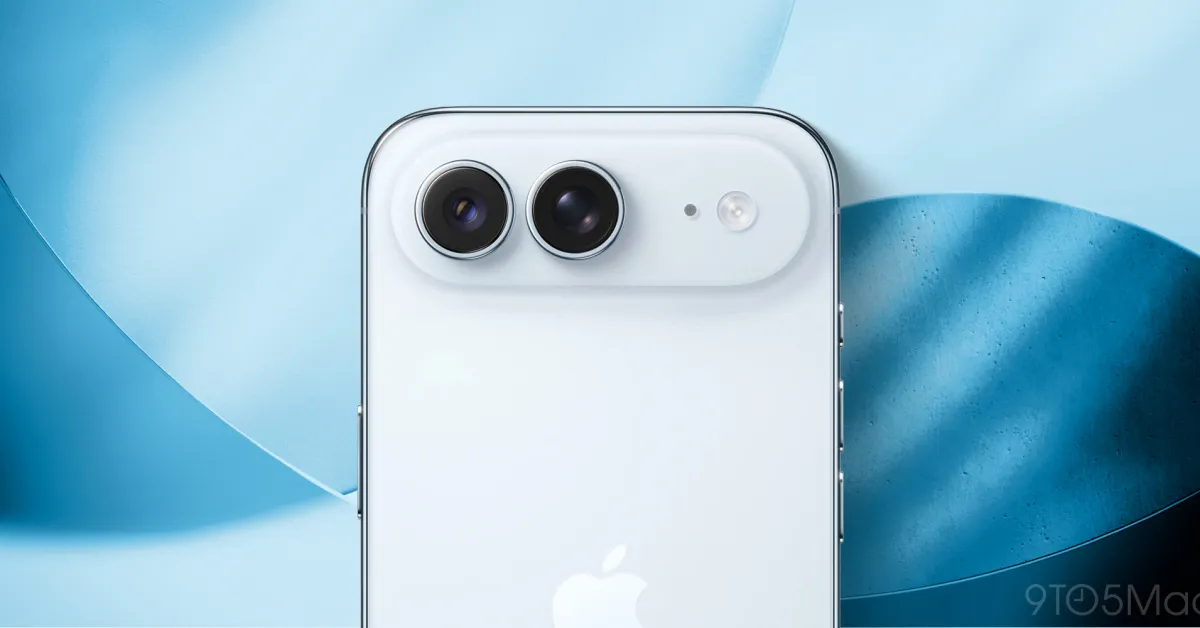
Leaker Ice Universe reports Apple is developing four iPhone 20 models, featuring both flat and quad-curved glass backs. This design shift aims for ultra-thin bezels, marking a departure from current rectangular aesthetics. The move reflects Apple’s ongoing refinement of its anniversary device, balancing ambitious curvature with manufacturing feasibility.
Key points
- Ice Universe, a prominent Apple leaker, claims Apple is developing four iPhone 20 models to celebrate the device's 20th anniversary.
- Two models feature flat glass backs, while two utilize a quad-curved glass design that wraps around all four edges.
- Apple has spent three years prototyping the curved design, initially testing more pronounced curves before reducing the curvature for refinement.
- The curved models reportedly feature bezels approximately 1mm thick, creating an illusion of a borderless display similar to the Apple Watch.
- This development aligns with previous reports that Apple scrapped an earlier, more ambitious all-glass design in favor of a more feasible approach.
Design Evolution and Prototyping
Apple is currently in the advanced stages of developing its next-generation flagship smartphones, marking the 20th anniversary of the original iPhone. According to reports from leaker Ice Universe, the company is testing four distinct models that feature two primary design philosophies. These models are split between those with traditional flat glass backs and those utilizing a more ambitious quad-curved glass design. This dual approach suggests Apple is evaluating different manufacturing and aesthetic outcomes before finalizing the product lineup for next year.
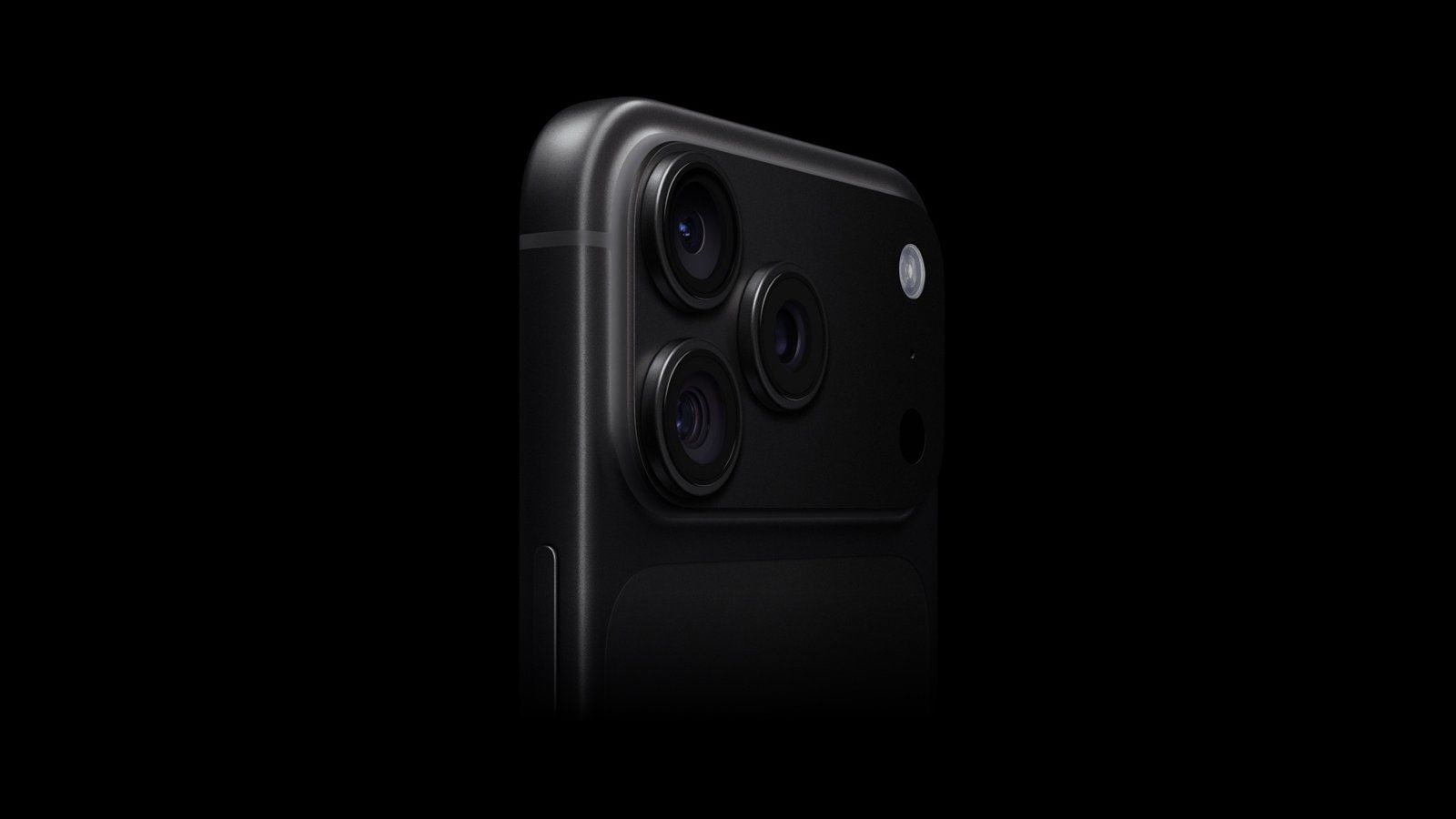
The quad-curved design represents a significant departure from the rectangular, flat-sided aesthetic that has defined the iPhone Pro series in recent years. Ice Universe indicates that Apple has been prototyping this four-sided curved glass design for approximately three years. During this extended development period, the company has made several revisions, particularly regarding the degree of curvature. The earliest prototypes featured a very pronounced curve, which was later reduced to a more subtle angle. This iterative process highlights Apple’s commitment to refining the user experience and manufacturing viability of the new form factor.
Technical Specifications and Aesthetic Goals
A key feature of the new design is the integration of ultra-thin bezels. Reports suggest that the bezels on the curved models measure around 1mm thick. When combined with the curved glass edges, which are also approximately 1mm wide, the result is an illusion of a borderless display. This effect is described as a more sophisticated version of the screen appearance seen on the Apple Watch, where the glass wraps seamlessly around the device. The goal is to create a striking visual impact that is particularly noticeable when viewing the device head-on.
The existence of four models raises questions about Apple’s final product strategy. One plausible explanation is that Apple is developing two sizes, likely the Pro and Pro Max variants, each with alternative design options. In this scenario, the flat glass versions may serve as fallback options if the curved design proves too difficult to manufacture or lacks consumer appeal. Alternatively, the flat glass models could be the standard iPhone 20 versions, while the curved models are reserved for the Pro lineup. This strategy allows Apple to test market response and production yields for both designs simultaneously.
Industry Context and Previous Reports
The current reports align with previous leaks and industry analysis regarding Apple’s anniversary device. In August, Bloomberg’s Mark Gurman reported that Apple had scrapped an earlier, more ambitious design that planned to replace metal frames with even more glass. That earlier concept was reportedly deemed too challenging to produce at scale. The current focus on a refined quad-curved design suggests Apple has found a balance between innovation and manufacturability. The reduction in curvature from earlier prototypes supports this narrative of gradual refinement.
Apple’s practice of developing multiple competing prototypes for new devices is standard industry practice. The company evaluates these prototypes based on usability, durability, and ease of manufacturing. By testing both flat and curved glass options, Apple can gather data on which design offers the best balance of these factors. This approach minimizes risk and ensures that the final product meets the company’s high standards for quality and production efficiency.
Market Implications and Future Outlook
The introduction of a new form factor for the iPhone 20 could have significant implications for the smartphone market. A shift from flat to curved glass may influence competitors to explore similar designs, potentially leading to a new wave of innovation in smartphone aesthetics. However, the success of the design will depend on consumer reception and Apple’s ability to produce the devices at scale.
As Apple continues to refine its prototypes, the final design of the iPhone 20 remains uncertain. The company is likely to make a final decision based on the results of its testing phases. Consumers and industry analysts will be watching closely to see which design elements make it into the final product. The 20th anniversary of the iPhone is expected to be a pivotal moment for the company, and the design choices made now will shape the device’s legacy.
Key takeaways
- Apple is developing four iPhone 20 models, featuring both flat and quad-curved glass backs.
- The quad-curved design has been in prototyping for three years, with curvature reduced from earlier versions.
- Bezel thickness is reported to be around 1mm, creating a borderless display illusion.
- Flat glass models may serve as fallbacks or standard variants, while curved models target the Pro lineup.
- This development follows previous reports of Apple abandoning a more ambitious all-glass design for manufacturing reasons.
Sources
The WireByte editorial team synthesises technology news from multiple primary sources, verifies the facts, and links every source. Articles are produced with AI assistance and reviewed under our editorial policy.