Apple HomeView Launches with Record-Low Display Brightness
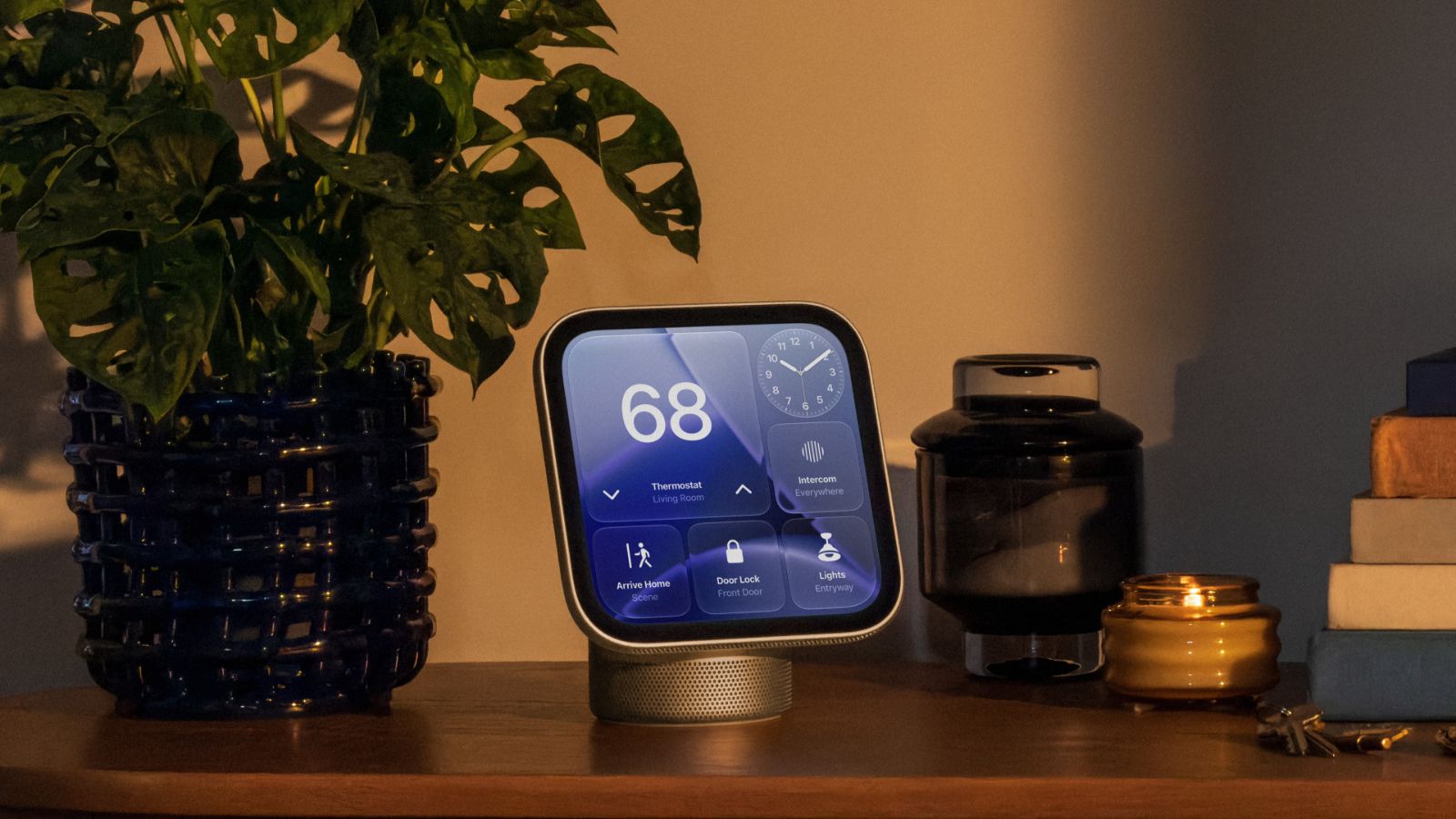
Apple has released the HomeView smart display, featuring a record-low minimum brightness of 0.3 nits, ideal for nighttime use. The device integrates Siri AI with a personalized interface that automatically recognizes users and protects privacy. Priced for the home market, it sets a new standard for Apple display technology.
Key points
- Apple released the HomeView smart home display, a device designed specifically for home environments and integrated with Siri AI.
- The device features a display that reaches a record-low minimum brightness of 0.3 nits, lower than any previous Apple product.
- The maximum brightness is 500 nits, providing a wide dynamic range suitable for various lighting conditions.
- The interface is custom-built for the home, automatically recognizing users to personalize content without manual login.
- Privacy is maintained by automatically clearing user information when the device detects the user has stepped away.
- Matthew Costello, Apple's Vice President of Hardware Engineering, highlighted the low-light performance as a key engineering achievement.
Apple Unveils HomeView with Unprecedented Display Capabilities
Apple has officially released the HomeView, a new smart home display device that the company describes as a significant milestone in its hardware engineering. The launch marks Apple's entry into a dedicated smart display category tailored specifically for residential use. During an interview with TechRadar, Matthew Costello, Apple's Vice President of Hardware Engineering, discussed the device's core features, emphasizing its design philosophy and technological innovations. The HomeView is now available to consumers, positioning itself as a central hub for home automation and information.
A standout feature of the HomeView is its display technology, which sets a new benchmark for Apple products. The screen can dim to a minimum brightness of 0.3 nits, a record low for any device in Apple's lineup. This ultra-low brightness level is designed to make the device suitable for use on a bedside table at night, where bright screens can disrupt sleep. For context, other Apple devices such as the latest iPhones and the iPad mini advertise a minimum brightness of 1 nit. The HomeView's maximum brightness reaches 500 nits, offering a versatile range that adapts to both dark and well-lit environments.
Costello expressed pride in this achievement, noting that the low-light performance represents a significant engineering feat. He humorously remarked that he represents the "most dim product ever inside of Apple," highlighting the company's focus on user comfort and adaptability. This technical specification underscores Apple's commitment to refining display technology to meet specific user needs, particularly in scenarios where minimal light emission is crucial.
Siri Integration and Personalized User Experience
Beyond its display capabilities, the HomeView is constructed around Siri, Apple's artificial intelligence assistant. The device features a user interface custom-built for the home environment, prioritizing apps and experiences that are most relevant to domestic settings. This design choice aims to simplify interaction and make the device more intuitive for everyday use. Unlike many smart devices that require manual authentication, the HomeView automatically recognizes users, providing a seamless and personalized experience.
The device's ability to identify users allows it to tailor content and responses based on individual preferences and history. This feature eliminates the need for frequent logging in and out, enhancing convenience. Costello emphasized that this automatic recognition is a key aspect of the device's design, making it more user-friendly and efficient. The system is designed to respect user privacy by automatically clearing information when the device detects that the user has stepped away. This ensures that sensitive data is not left visible on the screen, addressing common concerns about privacy in shared spaces.
Market Position and Future Implications
The release of the HomeView positions Apple in the growing smart home market, competing with other tech giants offering similar devices. By focusing on design, privacy, and seamless integration with Siri, Apple aims to differentiate its product from competitors. The emphasis on a custom-built interface and automatic user recognition suggests a strategy to create a more engaging and secure user experience. This approach aligns with Apple's broader efforts to integrate its services more deeply into hardware products.
The HomeView's launch also highlights Apple's ongoing innovation in display technology. The record-low brightness setting demonstrates the company's ability to push the boundaries of display performance. As smart home devices become more prevalent, features like automatic user recognition and enhanced privacy protections are likely to become standard expectations. The HomeView's success could influence future developments in the sector, setting new standards for user experience and design.
Key takeaways
- Apple has released the HomeView, a smart home display designed for residential use.
- The device features a record-low minimum brightness of 0.3 nits, ideal for nighttime use.
- The maximum brightness is 500 nits, providing a wide dynamic range.
- The interface is custom-built for the home and integrates deeply with Siri AI.
- The device automatically recognizes users to provide personalized content without manual login.
- Privacy is maintained by automatically clearing user information when the user steps away.
Sources
The WireByte editorial team synthesises technology news from multiple primary sources, verifies the facts, and links every source. Articles are produced with AI assistance and reviewed under our editorial policy.