Apple Debuts HomeView Smart Display, $299 Device Relying on iPhone Integration
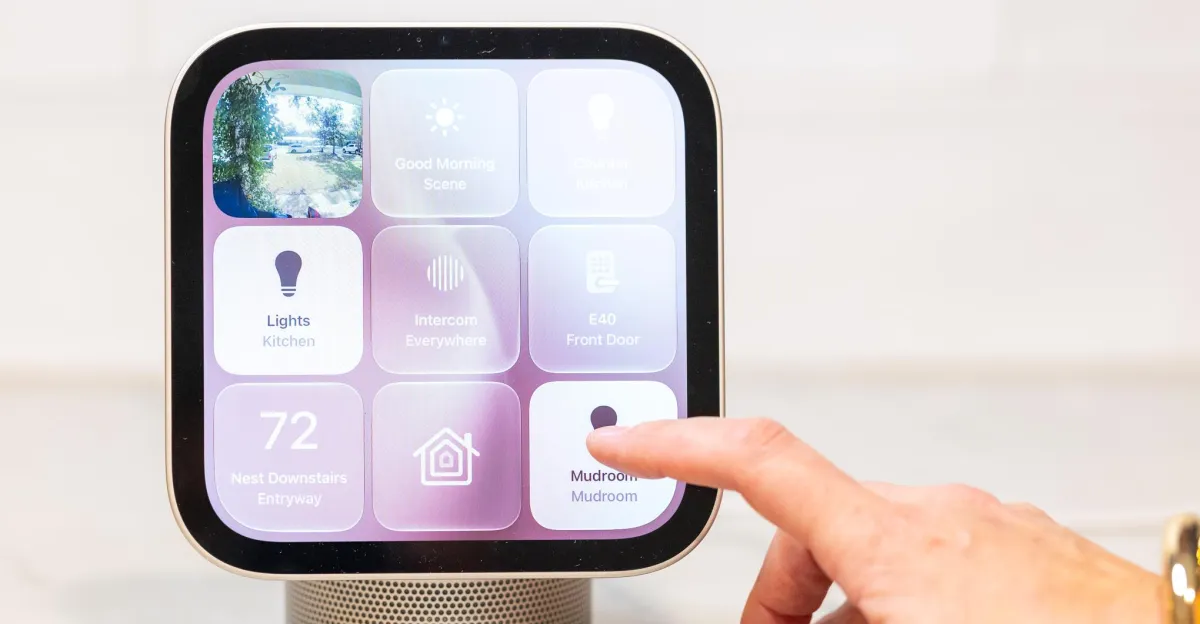
Apple has launched the HomeView, a $299 smart display that serves as a Siri-powered home hub. The device requires an iPhone or iPad for full functionality, mirroring apps and personal data. While praised for design and audio, it faces criticism for privacy concerns and limited third-party support, marking Apple's late entry into the smart display market.
Key points
- Apple has released the HomeView, a $299 smart display that acts as a central home hub with Siri AI capabilities.
- The device requires an iPhone or iPad to function fully, mirroring apps like Messages, Calendar, and Photos via a CarPlay-like technology.
- Reviewers praise the device's superior audio quality, crisp display, and sleek design, giving it high marks for home control.
- Critics highlight significant privacy issues, noting that family members can easily access each other's personal messages and data.
- The HomeView lags nearly a decade behind competitors like Amazon and Google in the smart display category.
- Third-party app support remains limited, with users advised to use Safari for recipes and facing clunky authentication processes.
Apple Enters the Smart Display Market
Apple has officially entered the smart display category with the launch of the HomeView, a device that combines a high-quality screen with Siri-powered home hub capabilities. Priced at $299, the HomeView represents Apple's first dedicated smart speaker with a display, arriving nearly a decade after competitors like Amazon and Google had already established their presence in the market. The company’s strategy reflects its typical approach of refusing to rush products to market, opting instead to wait until it could offer a distinct experience centered on its existing ecosystem.
Ecosystem Integration and Requirements
Unlike rival devices from Amazon’s Echo Show or Google’s Nest Hub, the HomeView is heavily reliant on Apple’s core hardware. To unlock its full potential, users must own an iPhone or iPad. The device utilizes technology similar to CarPlay to mirror apps from the companion device, allowing the HomeView to display information from Messages, Calendar, Photos, and Reminders. This integration makes the HomeView an extension of the user’s iPhone, providing access to personal data when the phone is at home and connected to the same Wi-Fi network.
Design and Audio Performance
Early reviews highlight the HomeView’s premium build and sensory experience. The device features a crisp, colorful display and is noted for having category-leading sound quality for its size. The design is described as sleek and elegant, fitting seamlessly into modern home decor. For users who prioritize aesthetics and audio fidelity, the HomeView offers a significant upgrade over many existing smart displays. The device also functions as a digital photo frame with customizable faces, adding to its appeal as a household centerpiece.
Privacy and Family Sharing Concerns
Despite its strengths, the HomeView faces criticism regarding privacy and family dynamics. Because the device acts as a communal access point for personal data, it creates friction in shared households. Reviewers have noted that authentication checks can be clunky, and the system allows family members to easily read each other’s text messages. One reviewer reported that their 15-year-old daughter could read their messages and vice versa, leading the daughter to reject the device in favor of her personal iPhone. This highlights a significant challenge for Apple in balancing communal utility with individual privacy.
Limitations and Third-Party Support
The HomeView’s utility is directly tied to the user’s reliance on Apple’s ecosystem. If a user does not heavily use Apple apps, the device’s value diminishes. Additionally, third-party support is still described as a work in progress. Users may need to rely on Safari for tasks like viewing recipes, rather than having dedicated apps. The device is also not optimized for playing videos, limiting its entertainment capabilities compared to competitors. These limitations suggest that the HomeView is best suited for households deeply integrated into the Apple ecosystem.
Market Position and Future Outlook
Apple’s entry into the smart display market is late but potentially impactful. By leveraging its loyal user base and integrating Siri AI more deeply, Apple aims to capture a segment of the market that values design and ecosystem cohesion over broad third-party app support. The HomeView’s success will likely depend on Apple’s ability to address privacy concerns and expand third-party developer support. For now, the device serves as a niche product for Apple enthusiasts rather than a mass-market replacement for existing smart displays.
Key takeaways
- Apple has launched the $299 HomeView smart display, marking its entry into a market dominated by Amazon and Google.
- The device requires an iPhone or iPad to mirror apps and access personal data like messages and calendars.
- Reviewers praise the HomeView’s superior audio, crisp display, and elegant design compared to competitors.
- Privacy concerns arise as the device allows family members to access each other’s personal communications.
- Third-party app support is limited, with users often needing to use Safari for certain tasks.
- The HomeView is best suited for households deeply integrated into the Apple ecosystem.
Sources
The WireByte editorial team synthesises technology news from multiple primary sources, verifies the facts, and links every source. Articles are produced with AI assistance and reviewed under our editorial policy.