YouTube Introduces TV Co-View Metric to Align with Broadcast Standards
YouTube is launching a new 'co-view' metric for its TV app, estimating multiple viewers per session using privacy-safe statistical models. This change aims to align view counts with traditional broadcast standards, helping creators gauge true reach. The metric applies to all video types on TV but does not affect ad revenue or monetization thresholds.
Key points
- YouTube is introducing a 'co-view' metric that estimates the number of people watching a video simultaneously on a television set.
- The system uses a privacy-safe statistical model based on demographic patterns and viewing times, avoiding the use of cameras or microphones.
- This new view count applies to long-form videos, Shorts, and Live streams exclusively on the YouTube TV app, not mobile or desktop.
- The initiative aims to align YouTube's metrics with traditional TV industry standards for measuring total audience exposure.
- While public view counts will increase, co-views do not impact ad revenue or eligibility for the YouTube Partner Program.
- The metric is not retroactive and will only apply to views occurring after the launch date.
New Metric for TV Viewing
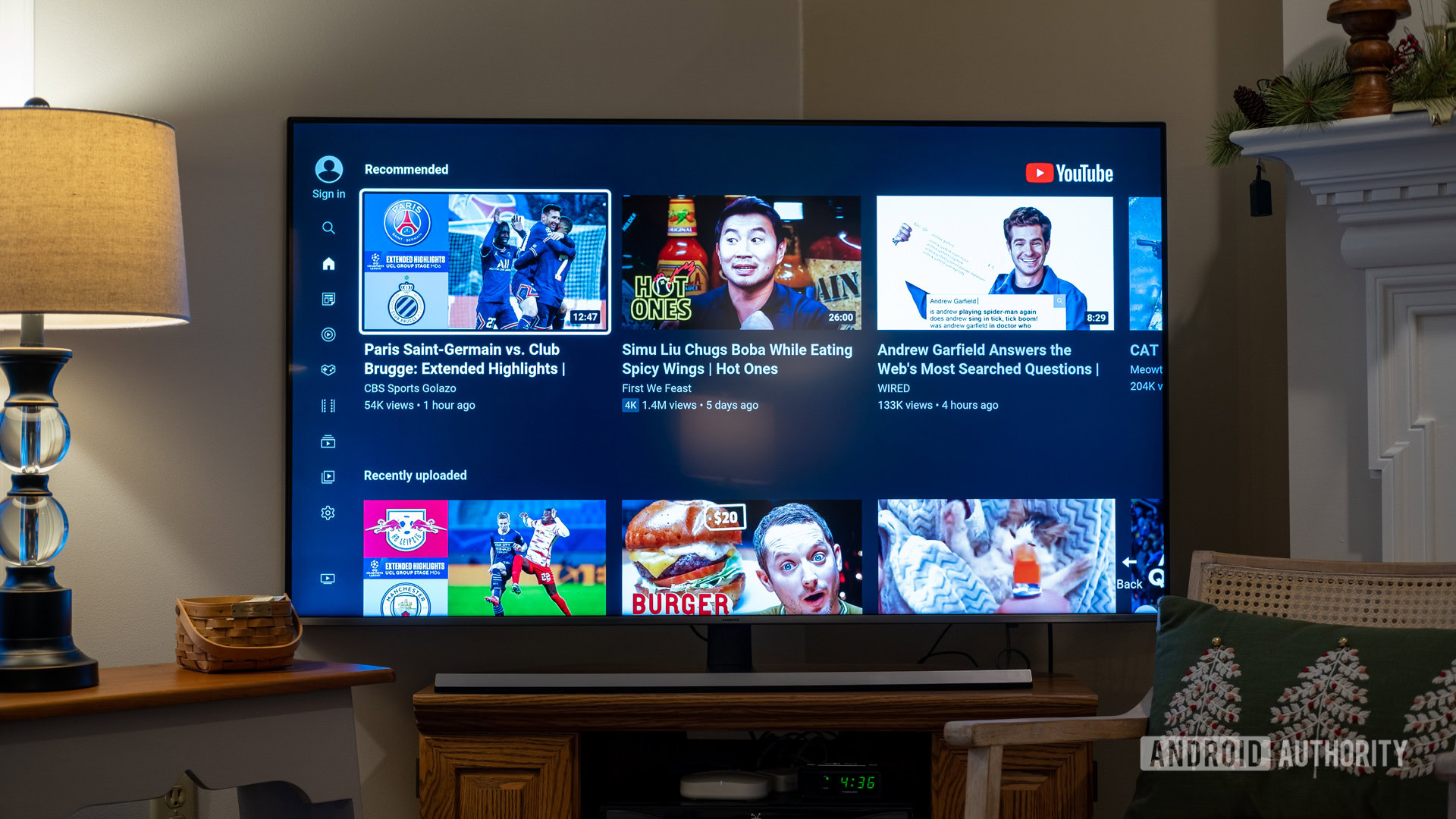
YouTube is implementing a significant change to how it measures audience engagement on television devices. The platform will now display a new metric known as "co-views," which estimates the total number of individuals watching a video at the same time on a single TV set. This development marks a shift in how the company quantifies viewership, moving beyond simple session counts to approximate actual human exposure. The update is designed to provide a more accurate reflection of a video's reach in household settings where multiple people often watch content together.
Methodology and Privacy
To calculate these co-views, YouTube employs a privacy-safe statistical model. The company has explicitly stated that it will not use devices, cameras, microphones, or any other direct surveillance methods to determine how many people are in the room. Instead, the system relies on aggregated data points such as demographic patterns and viewing times. These statistical estimates are calibrated against real-life testing data to ensure accuracy. This approach allows YouTube to adjust view counts without compromising user privacy or requiring additional hardware from consumers.
Scope of Application
The co-view metric is exclusive to the YouTube TV app. It does not apply to views generated on mobile devices, desktop computers, or other platforms. The change affects all video formats available on the TV app, including long-form videos, YouTube Shorts, and Live streams. YouTube Creator Insider confirmed that the metric is now active and visible to the public. Creators will see higher view counts and watch times for content consumed on televisions, providing them with new data points for channel strategy and brand pitches. However, the platform clarified that this parameter will not be applied retroactively to older views.
Alignment with Industry Standards
YouTube’s decision to introduce co-views is driven by a desire to align its metrics with traditional broadcast and streaming network standards. In the conventional TV industry, audience size is often measured by the total number of people exposed to content, rather than just the number of tuned-in devices. With over a billion hours of video content consumed on YouTube daily, the company argues that this new metric helps creators gauge their true reach more effectively. By mirroring industry practices, YouTube aims to provide a more robust framework for evaluating content performance in shared viewing environments.
Impact on Monetization
Despite the increase in public view counts, YouTube has made it clear that co-views will not influence financial outcomes. The company stated that co-views do not impact ad revenue or eligibility thresholds for the YouTube Partner Program (YPP). This distinction ensures that while the visibility of a video’s popularity may increase, the economic value derived from those views remains tied to the original session-based metrics. Creators should note that while their channel analytics may show growth in TV-specific metrics, their monetization rates will remain unchanged by this update.
Key takeaways
- YouTube is launching a co-view metric for its TV app to estimate simultaneous viewers.
- The system uses privacy-safe statistical models based on demographics and viewing times.
- Co-views apply to all video types on TV but exclude mobile and desktop platforms.
- The change aligns YouTube metrics with traditional broadcast industry standards.
- Co-views do not affect ad revenue or YouTube Partner Program eligibility.
- The metric is not retroactive and applies only to future views on TV.
Sources
The WireByte editorial team synthesises technology news from multiple primary sources, verifies the facts, and links every source. Articles are produced with AI assistance and reviewed under our editorial policy.