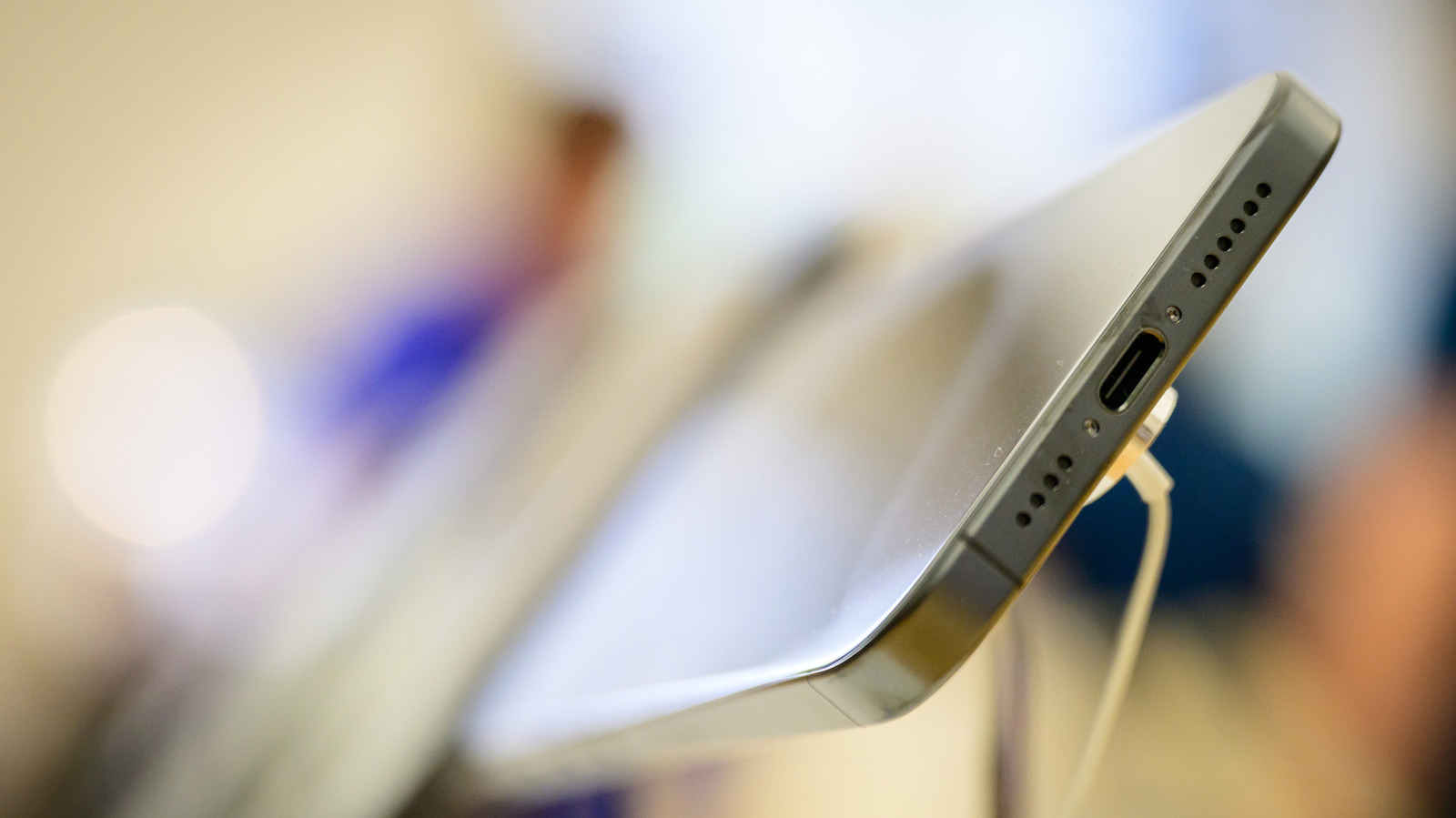
USB-C ports become universal standard for smartphones
Smartphones have adopted USB-C ports as a standard, allowing for versatile uses beyond charging, including device-to-device charging, flash drives, and memory card readers. The shift has brought consistency across devices, but some users may miss the variety of earlier years.
Key points
- Smartphones now largely feature USB-C ports, a shift from earlier years when Apple used Lightning and Android used various other ports.
- USB-C ports enable device-to-device charging, allowing users to charge other devices like wireless headphones or smartwatches.
- The ports also support flash drives and memory card readers, providing an alternative to cloud or email transfers for sensitive documents.
- The adoption of USB-C has brought consistency across devices, but some users may miss the variety of earlier years.
- Analysts say the shift to USB-C has streamlined the user experience and reduced the need for adapter cables.
The smartphone industry has reached a consensus on the use of USB-C ports, marking a significant shift from the varied ports used in earlier years. This change has brought consistency across devices, making it easier for users to transfer data and charge their devices.
The versatility of USB-C ports extends beyond charging. Users can now charge other devices, such as wireless headphones or smartwatches, by connecting them to a smartphone via a USB-C cable. This feature is particularly useful for travelers or individuals who need to charge multiple devices on the go.
In addition to device-to-device charging, USB-C ports also support flash drives and memory card readers. These devices provide a secure and convenient way to transfer sensitive documents, eliminating the need for cloud or email transfers.
While the adoption of USB-C has brought many benefits, some users may miss the variety of ports used in earlier years. However, analysts say that the shift to USB-C has streamlined the user experience and reduced the need for adapter cables.
As the smartphone industry continues to evolve, it is likely that USB-C will remain the standard port for future devices. This shift has already been adopted by many major manufacturers, including Apple and Samsung.
In conclusion, the adoption of USB-C ports has brought consistency and versatility to the smartphone industry. While some users may miss the variety of earlier years, the benefits of USB-C far outweigh the drawbacks. As the industry continues to evolve, it is likely that USB-C will remain the standard port for future devices.
Sources
The WireByte editorial team synthesises technology news from multiple primary sources, verifies the facts, and links every source. Articles are produced with AI assistance and reviewed under our editorial policy.