UK Workers Push Back Against AI Interviews Amid Talent Loss Fears
Nearly half of British job seekers have undergone AI-mediated interviews, sparking significant discomfort and resistance. Research indicates that 30% of candidates may abandon applications due to this technology, with many unaware they were interacting with an avatar. As recruiters increasingly adopt automated screening, experts warn of potential talent attrition and the erosion of human connection in hiring processes.
Key points
- Careerminds research reveals that 70% of UK workers feel uncomfortable with AI-assisted interviews, highlighting a growing disconnect between employer adoption and employee sentiment.
- A separate Greenhouse study found that 47% of UK job seekers have already been interviewed by an AI avatar, with 30% stating they would likely abandon the application process.
- Many candidates are unaware of the technology's use, as 82% of those interviewed by AI avatars were not informed beforehand that they were speaking to a non-human entity.
- Only 11% of workers would definitely or probably withdraw from a job application due to AI interviews, while 25% say their decision depends on the role or salary offered.
- Recruiters face a potential talent drain if they continue to prioritize automated screening over human interaction, as half of Brits have now experienced AI-mediated hiring processes.
The Rise of Automated Hiring
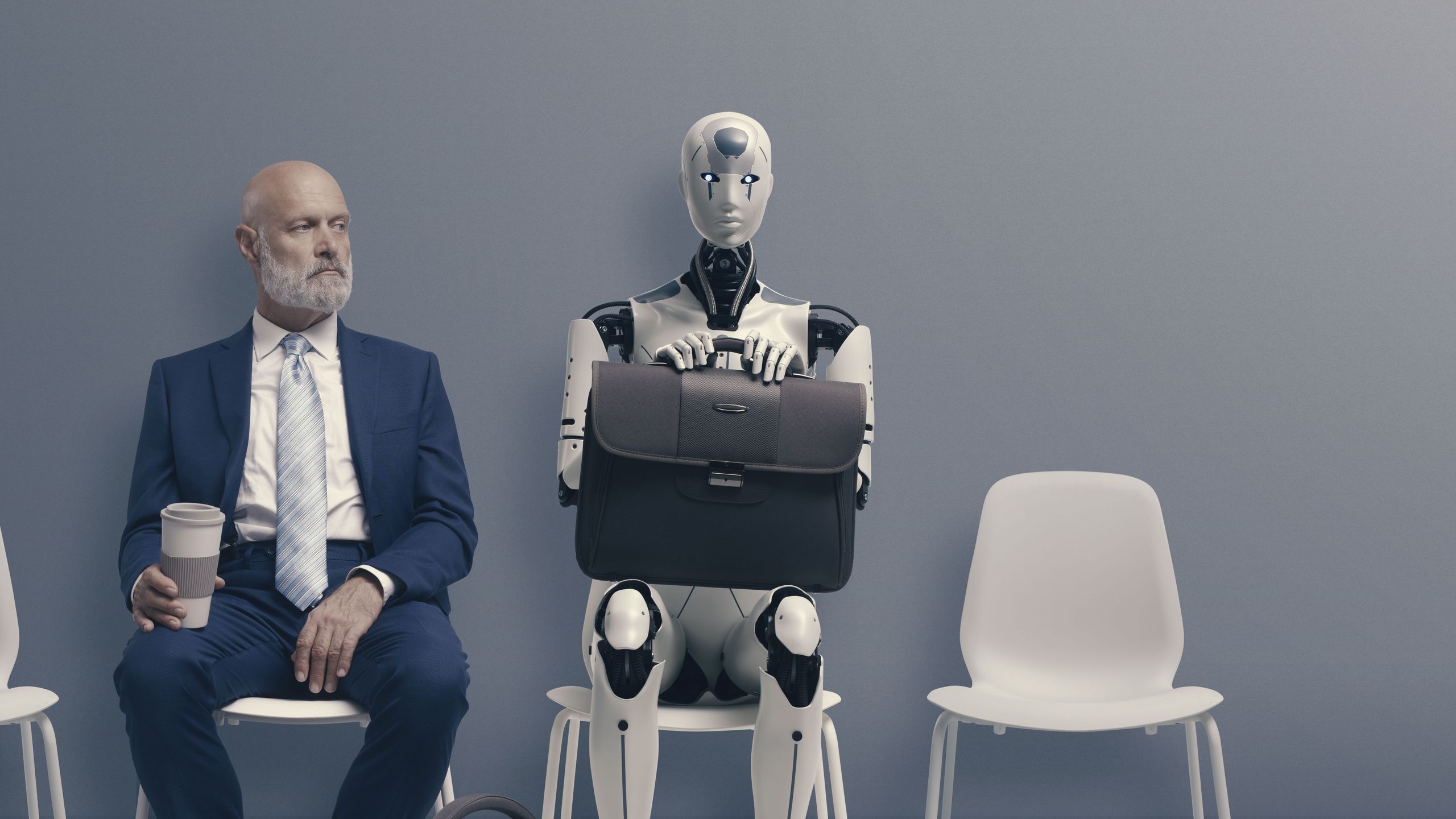
The recruitment landscape in the United Kingdom is undergoing a significant transformation, driven by the rapid adoption of artificial intelligence in hiring processes. New data indicates that nearly half of British job seekers have already participated in an interview conducted by an AI avatar rather than a human recruiter. This shift, while intended to streamline administrative tasks and improve efficiency, is encountering substantial resistance from the workforce, raising concerns about the long-term viability of automated hiring methods.
Candidate Discomfort and Retention Risks
Research conducted by Careerminds highlights a stark contrast between the operational benefits of AI and the emotional response of candidates. The study found that seven in ten UK workers feel uncomfortable when their interview is assisted or conducted by AI. Despite this widespread discomfort, the impact on application completion rates varies. Approximately one-third of respondents indicated they would continue with the process despite feeling uneasy, while a quarter stated their decision would depend on the specific role or the salary offered.
However, the potential for talent loss is significant. A separate study by Greenhouse suggests that 30% of UK candidates would likely abandon their job applications if they discovered they were being interviewed by an AI. This figure underscores a critical risk for employers: the very technology designed to widen the talent pool may instead be filtering out viable candidates due to privacy concerns or a preference for human interaction.
Lack of Transparency
A major point of contention is the lack of transparency surrounding the use of AI in recruitment. The Greenhouse study revealed that 82% of candidates who were interviewed by an AI avatar were not informed beforehand that they were interacting with a non-human entity. This lack of disclosure has fueled frustration among job seekers, who argue that the hiring process should be conducted with clear communication and respect for the candidate's experience.
The element of surprise appears to exacerbate negative reactions. When candidates are unaware that an AI is evaluating their responses, the subsequent realization can lead to a sense of betrayal or devaluation, prompting them to withdraw from the process entirely. This highlights a gap in current hiring practices, where efficiency often takes precedence over candidate experience and transparency.
Generational and Demographic Divides
The reception of AI interviews is not uniform across all demographics. Older generations, in particular, appear more likely to withdraw from applications involving AI interviewers, suggesting a generational divide in comfort levels with automated technologies. For younger workers, the acceptance may be higher, but the overall sentiment remains one of caution. The data suggests that while AI can handle administrative burdens, it struggles to replicate the nuanced human connections that are vital in assessing cultural fit and soft skills.
The Future of Recruitment
As companies continue to integrate AI into their hiring workflows, the tension between efficiency and human connection is likely to intensify. Recruiters are now faced with a dilemma: how to leverage technology to manage high volumes of applications without alienating top talent. The fact that 47% of UK job seekers have already experienced AI interviews indicates that this is not a future trend but a current reality.
Industry experts warn that if companies do not adapt their approaches to address candidate concerns, they risk losing access to vital human talent. The key may lie in striking a balance—using AI for initial screening and administrative tasks while ensuring that critical stages of the hiring process involve meaningful human interaction. Without such a balance, the recruitment industry could see a decline in application rates and an increase in candidate dissatisfaction, ultimately undermining the effectiveness of the hiring process.
Key takeaways
- 47% of UK job seekers have been interviewed by an AI avatar, indicating widespread adoption of automated hiring tools.
- 30% of candidates may abandon applications if they discover they were interviewed by an AI, posing a risk to talent acquisition.
- 82% of candidates interviewed by AI were not informed beforehand, raising concerns about transparency and consent.
- 70% of workers feel uncomfortable with AI-assisted interviews, highlighting a significant gap in candidate experience.
- Only 11% of workers would definitely withdraw from an application due to AI interviews, with many citing salary or role specifics as mitigating factors.
Sources
The WireByte editorial team synthesises technology news from multiple primary sources, verifies the facts, and links every source. Articles are produced with AI assistance and reviewed under our editorial policy.