Tiny AI Model Runs on $10 Microcontroller
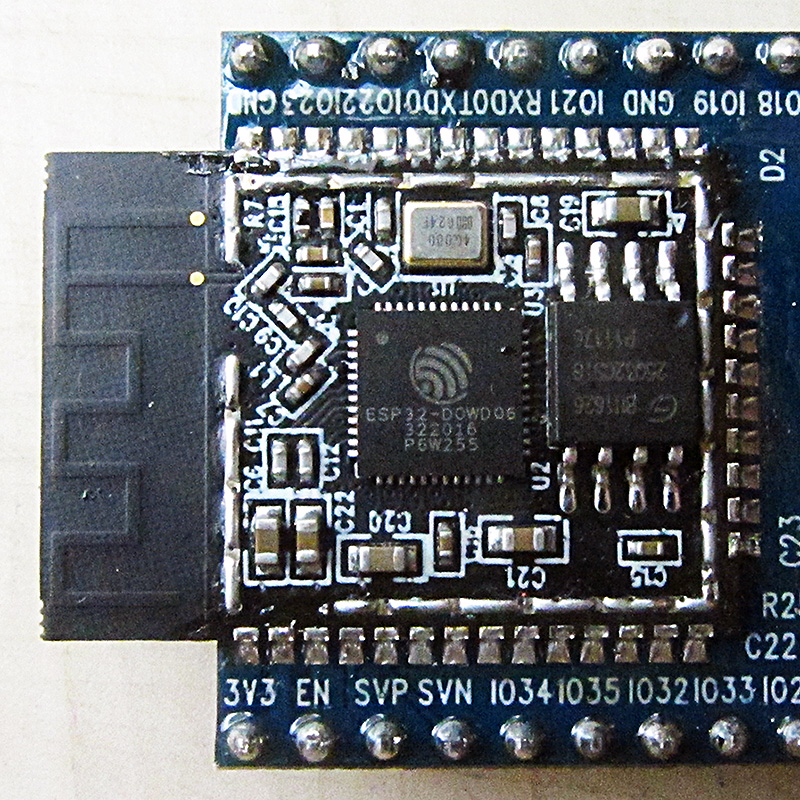
A developer has successfully implemented a small language model on a low-power ESP32 microcontroller, which costs under $10. This achievement demonstrates the potential for AI to be used in resource-constrained environments. The model, TinyStories, is approximately 10,000 times smaller than typical models, and runs at nearly 10 tokens per second.
Key points
- Developer SlvDev implemented a small language model on an ESP32 microcontroller, which costs under $10.
- The model, TinyStories, has 28.9 million parameters and runs at nearly 10 tokens per second.
- TinyStories is approximately 10,000 times smaller than typical large language models.
- The ESP32 microcontroller has limited memory, with 520 KB of SRAM and 8 MB of PSRAM.
- This achievement demonstrates the potential for AI to be used in resource-constrained environments.
Tiny AI Model Runs on $10 Microcontroller
A developer has made a breakthrough in artificial intelligence by successfully implementing a small language model on a low-power ESP32 microcontroller. The model, known as TinyStories, is approximately 10,000 times smaller than typical large language models and runs at nearly 10 tokens per second.
The ESP32 microcontroller, which costs under $10, is primarily designed for use in embedded applications such as remote sensors and IoT devices. However, SlvDev, the developer behind the project, was able to overcome the device's limited memory to run the language model.
TinyStories was originally developed by Microsoft Research and has 28.9 million parameters. While this is still a significant reduction in size compared to typical large language models, it demonstrates the potential for AI to be used in resource-constrained environments.
This achievement has significant implications for the development of AI in areas such as IoT, edge computing, and other resource-constrained environments. It also highlights the potential for AI to be used in a wide range of applications, from smart home devices to industrial automation systems.
Implications and Future Directions
The successful implementation of TinyStories on the ESP32 microcontroller opens up new possibilities for the use of AI in resource-constrained environments. It also highlights the need for further research and development in this area, particularly in terms of optimizing AI models for use on low-power devices.
As the use of AI continues to grow and expand into new areas, it is likely that we will see more developments in this area. The potential for AI to be used in a wide range of applications is vast, and the successful implementation of TinyStories on the ESP32 microcontroller is just the beginning.
Sources
The WireByte editorial team synthesises technology news from multiple primary sources, verifies the facts, and links every source. Articles are produced with AI assistance and reviewed under our editorial policy.