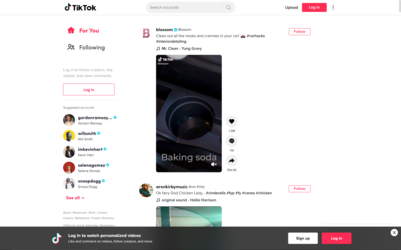
TikTok's 'Not Interested' Button Fails to Block Weight Loss Ads
A user's attempt to avoid weight loss content on TikTok reveals the platform's ads continue to target users despite the 'Not Interested' button. The issue affects millions of users, particularly those in the US, where eating disorders are prevalent and taxpayer money funds weight loss ads.
Key points
- TikTok's 'Not Interested' button does not effectively block weight loss ads, which continue to appear on users' feeds.
- Weight loss influencers and ads for GLP-1s and weight loss apps frequently infiltrate users' daily scrolls, despite the button's purpose.
- The issue affects millions of users, including those in the US, where eating disorders are a significant concern.
- Taxpayer money funds weight loss ads, while affordable food programs, healthcare, and federal food regulation are slashed.
- The situation highlights the need for more effective ad filtering and regulation on social media platforms.
TikTok's 'Not Interested' Button Fails to Block Weight Loss Ads
A user's experience with TikTok's 'Not Interested' button reveals the platform's ads continue to target users despite the feature's purpose. The issue affects millions of users, particularly those in the US, where eating disorders are prevalent.
The Problem
Weight loss influencers and ads for GLP-1s and weight loss apps frequently infiltrate users' daily scrolls, despite the 'Not Interested' button's supposed effectiveness. This is a concern, as eating disorders are a significant issue in the US, with over 30 million Americans expected to develop an eating disorder in their lifetime.
The Context
Taxpayer money funds weight loss ads, while affordable food programs, healthcare, and federal food regulation are slashed. This situation highlights the need for more effective ad filtering and regulation on social media platforms.
The Impact
The failure of TikTok's 'Not Interested' button to block weight loss ads has significant implications for users' mental health and well-being. It also raises questions about the platform's responsibility to regulate its ads and protect its users.
Sources
The WireByte editorial team synthesises technology news from multiple primary sources, verifies the facts, and links every source. Articles are produced with AI assistance and reviewed under our editorial policy.