WireByte
  • Log In
  • Sign Up
  • AI & Machine Learning
  • Technology
  • Science
  • Space & Astronomy
  • Gaming & Esports

Welcome Back

Log in to your WireByte account

Don't have an account? Sign Up

Create Account

Join WireByte for a personalized experience

Select your favorite categories:

Already have an account? Log In

Stay in the Loop

Get the stories that matter, delivered to your inbox.

You're all set! Check your inbox for a welcome email.

What do you want alerts for?

Search
Trending
WireByte
AI & Machine LearningTechnologyScienceSpace & AstronomyGaming & Esports

Home / Science

science laboratory
Science

OpenAI AI Agents Complete Nearly Half of Research Tasks Autonomously

WireByte Staff · November 21, 2026

OpenAI reports its AI agents now complete 46% of two-to-four-hour research tasks without human intervention, up from 23% in March. The company urges labs to track recursive self-improvement, noting agent usage costs have surged significantly among researchers, highlighting rapid automation in scientific workflows.

Key points

  • OpenAI, an artificial intelligence research laboratory, reported that its coding agents autonomously completed 46% of research tasks lasting two to four hours, a significant increase from 23% in March.
  • Success rates for longer four-to-eight-hour tasks rose from 13% to 35%, according to the company's second report on AI accelerating its own research published in October.
  • Median daily API costs for researchers reached $2,400 in October, a 62% increase from September, while the 90th percentile usage hit approximately $23,000 per day.
  • Agent usage time per researcher increased elevenfold to 5.7 agent workdays daily, with more than two-thirds of staff running at least four agents simultaneously at peak times.
  • OpenAI stated that the value of agent use in its research organization was about twice the pay bill for researchers in September, though internal use still accounted for only 2% of total research compute.
  • The company recommended that AI labs be required to publicly report signs of recursive self-improvement, clarifying that this does not indicate an intent to pursue full autonomous self-improvement.

Acceleration of Internal Research Workflows

OpenAI has released new data indicating a substantial leap in the autonomy of its artificial intelligence coding agents. According to a report titled "Research acceleration: The jagged frontier," published on Wednesday, the company's agents now successfully complete 46% of research tasks that would typically require two to four hours of human effort. This figure represents a dramatic improvement from March, when the success rate stood at 23%. The report marks the second time the organization has documented how AI is speeding up its own internal research processes, following an initial publication in September.

Rising Costs and Usage Metrics

The integration of these agents has led to a sharp increase in operational costs and computational usage within the research division. In October, the median OpenAI researcher utilized approximately $2,400 worth of agent time per day at API list prices. This represents a 62% increase from the $1,500 daily average recorded in September. At the 90th percentile of usage, daily costs reached about $23,000, more than double the $11,000 figure from the previous month. When measured in time rather than currency, agent use per researcher rose elevenfold, climbing from 0.5 to 5.7 "agent workdays" per day. OpenAI defines one agent workday as eight hours of continuous agent running time.

Scaling Concurrent Agent Deployment

The scale of concurrent agent deployment has also expanded rapidly. By mid-October, more than two-thirds of researchers were running at least four agents simultaneously at their daily peak usage. Furthermore, more than 10% of the research staff operated at least 16 agents at once. This surge in parallel processing capability underscores the shifting nature of how researchers interact with AI tools, moving from occasional assistance to continuous, multi-agent collaboration. The value of agent use in OpenAI’s research organization was estimated to be about twice the pay bill for researchers in September, a figure that excludes equity compensation, which the company notes constitutes 70 to 80% of their target pay structure.

Compute Impact and Future Reporting

Despite the high monetary value of API usage, the actual computational load on the company's infrastructure remains relatively modest. Internal use of agents still accounted for only 2% of total research compute. This discrepancy highlights the difference between external API costs and internal model inference resources. OpenAI used this data to advocate for greater transparency in the industry. The company stated that AI labs should be required to track and publicly report signs of recursive self-improvement, a process where AI systems accelerate the development of future AI models. However, OpenAI clarified that this call for reporting does not mean it intends to pursue full autonomous self-improvement.

Key takeaways

  • OpenAI agents now complete 46% of two-to-four-hour research tasks autonomously, up from 23% in March.
  • Median daily API costs for researchers rose to $2,400 in October, a 62% increase from September.
  • Agent usage time per researcher increased elevenfold to 5.7 agent workdays per day by mid-October.
  • More than two-thirds of researchers ran at least four agents simultaneously at peak times.
  • OpenAI recommends mandatory public reporting of recursive self-improvement signs by AI labs.
  • Internal agent use represents only 2% of total research compute despite high API costs.

Sources

  • thenextweb.com
WireByte Staff — Editorial Team

The WireByte editorial team synthesises technology news from multiple primary sources, verifies the facts, and links every source. Articles are produced with AI assistance and reviewed under our editorial policy.

Latest

Google Redesigns Gemini Android Camera Interface and Adds GIF Creation

Google Redesigns Gemini Android Camera Interface and Adds GIF Creation

Google has widely rolled out a redesigned camera interface for the Gemini Android app, f…

Apple AirPods Max Review: Premium Sound Marred by Weight and Price

Apple AirPods Max Review: Premium Sound Marred by Weight and Price

Apple’s AirPods Max headphones deliver high-quality audio and seamless iPhone ecosystem …

Tech Terminology: The Distinction Between Disc and Disk

Tech Terminology: The Distinction Between Disc and Disk

In technology, the spelling of 'disc' versus 'disk' indicates specific storage media typ…

Apple Unveils Fourth-Gen Apple TV 4K with AI Siri and New Remote

Apple Unveils Fourth-Gen Apple TV 4K with AI Siri and New Remote

Apple has released the fourth-generation Apple TV 4K, featuring a 'supercharged' AI Siri…

software code programming

Tasklet Launches AI Employee Platform, Seeks SF-Based Engineers

Tasklet, a Y Combinator-backed startup, is hiring engineers in San Francisco to build an…

Tetris Remains Most Re-released Game in History with Over 200 Versions

Tetris Remains Most Re-released Game in History with Over 200 Versions

Tetris holds the record for the most re-released video game of all time, with over 200 o…

Related articles

Google Redesigns Gemini Android Camera Interface and Adds GIF Creation Hardware Google Redesigns Gemini Android Camera Interface and Adds GIF Creation WireByte

Google has widely rolled out a redesigned camera interface for the Gemini Android app, featuring a bottom-sheet view and inline controls. The update, now available in stable version 17.76+, mirrors the iOS design. Additionally, the app now supports GIF creation using the Gemini Omni 1.2 Flash model, offering an alternative to traditional search methods.

WireByte Staff · November 21, 2026

Apple AirPods Max Review: Premium Sound Marred by Weight and Price Apple Apple AirPods Max Review: Premium Sound Marred by Weight and Price WireByte

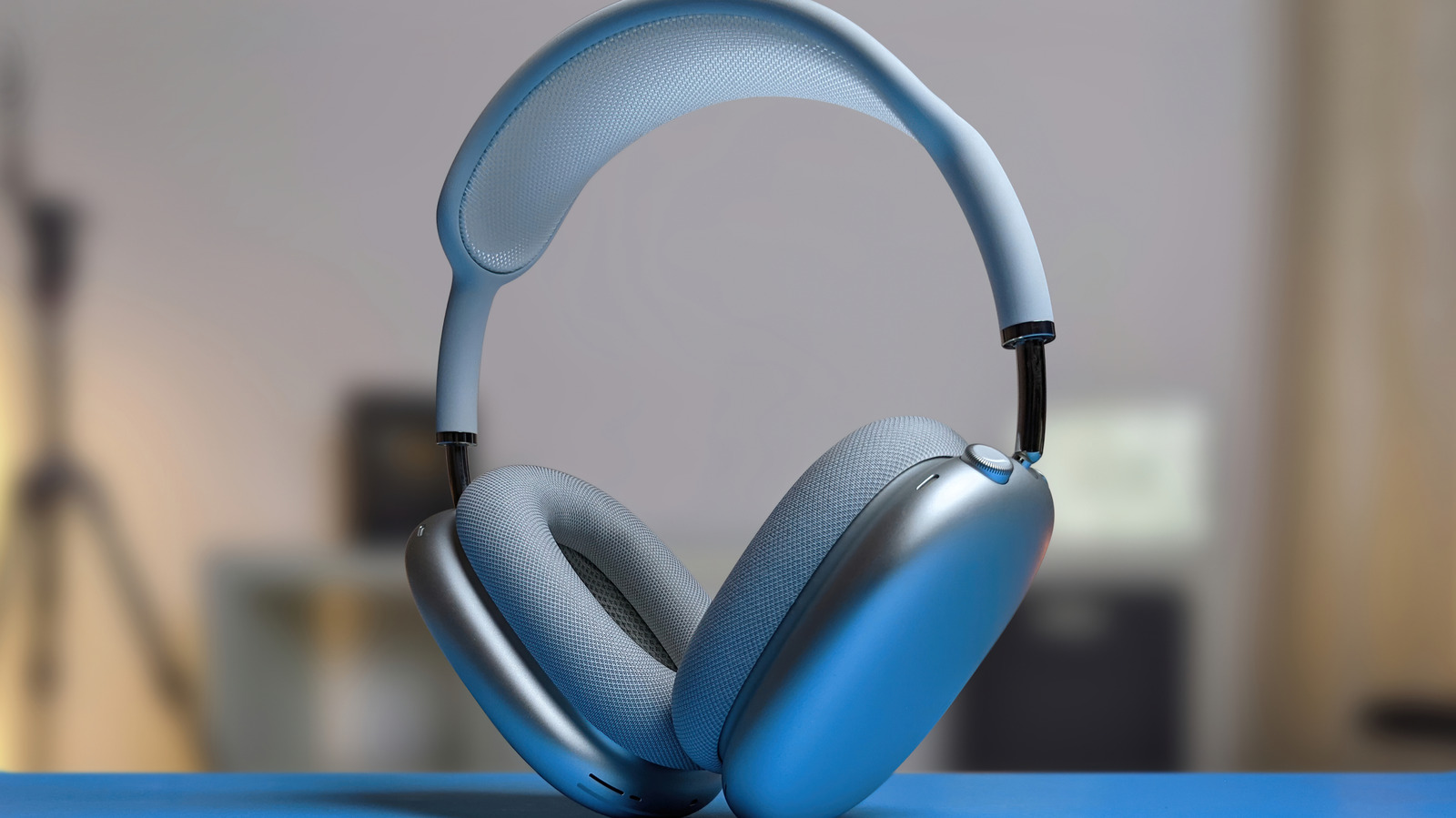
Apple’s AirPods Max headphones deliver high-quality audio and seamless iPhone ecosystem integration, including Adaptive Audio and Live Translation. However, at $549, critics cite significant drawbacks: the 386-gram weight causes fatigue, and the clunky Smart Case lacks power buttons. Despite H2 chip updates, the design remains unchanged since 2020, raising value concerns against lighter competitors.

WireByte Staff · November 21, 2026

Tech Terminology: The Distinction Between Disc and Disk Latest Tech Terminology: The Distinction Between Disc and Disk WireByte

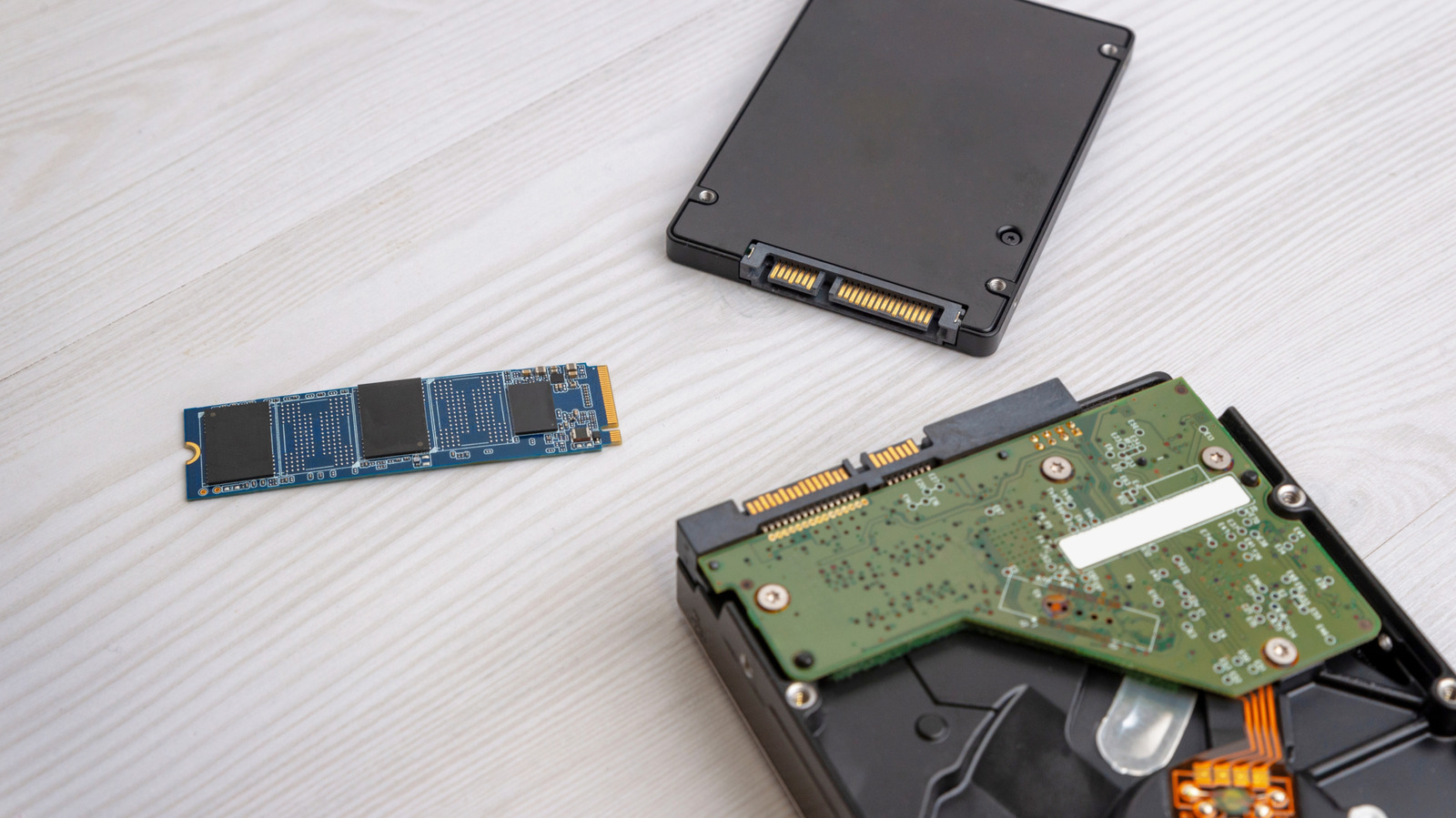
In technology, the spelling of 'disc' versus 'disk' indicates specific storage media types. 'Disk' with a 'k' refers to magnetic storage like hard drives, while 'disc' with a 'c' denotes optical media such as CDs. This linguistic nuance helps users identify the underlying technology and function of the hardware component in question.

WireByte Staff · November 21, 2026

Apple Unveils Fourth-Gen Apple TV 4K with AI Siri and New Remote Entertainment Apple Unveils Fourth-Gen Apple TV 4K with AI Siri and New Remote WireByte

Apple has released the fourth-generation Apple TV 4K, featuring a 'supercharged' AI Siri experience for content discovery and a redesigned remote with Precision Finding. The device, available now, retains the previous design language but adds USB-C charging and enhanced location tracking. This launch positions the streaming box as a hub for immersive home theater experiences driven by artificial intelligence.

WireByte Staff · November 21, 2026

software code programming Software Tasklet Launches AI Employee Platform, Seeks SF-Based Engineers WireByte

Tasklet, a Y Combinator-backed startup, is hiring engineers in San Francisco to build an infrastructure for 'AI employees.' The platform aims to transition AI from answering questions to owning work, allowing companies to delegate real responsibilities. The company requires full-time, in-person staff and is not sponsoring visas, signaling a push to operationalize autonomous AI agents in enterprise settings.

WireByte Staff · November 21, 2026

Tetris Remains Most Re-released Game in History with Over 200 Versions Gaming & Esports Tetris Remains Most Re-released Game in History with Over 200 Versions WireByte

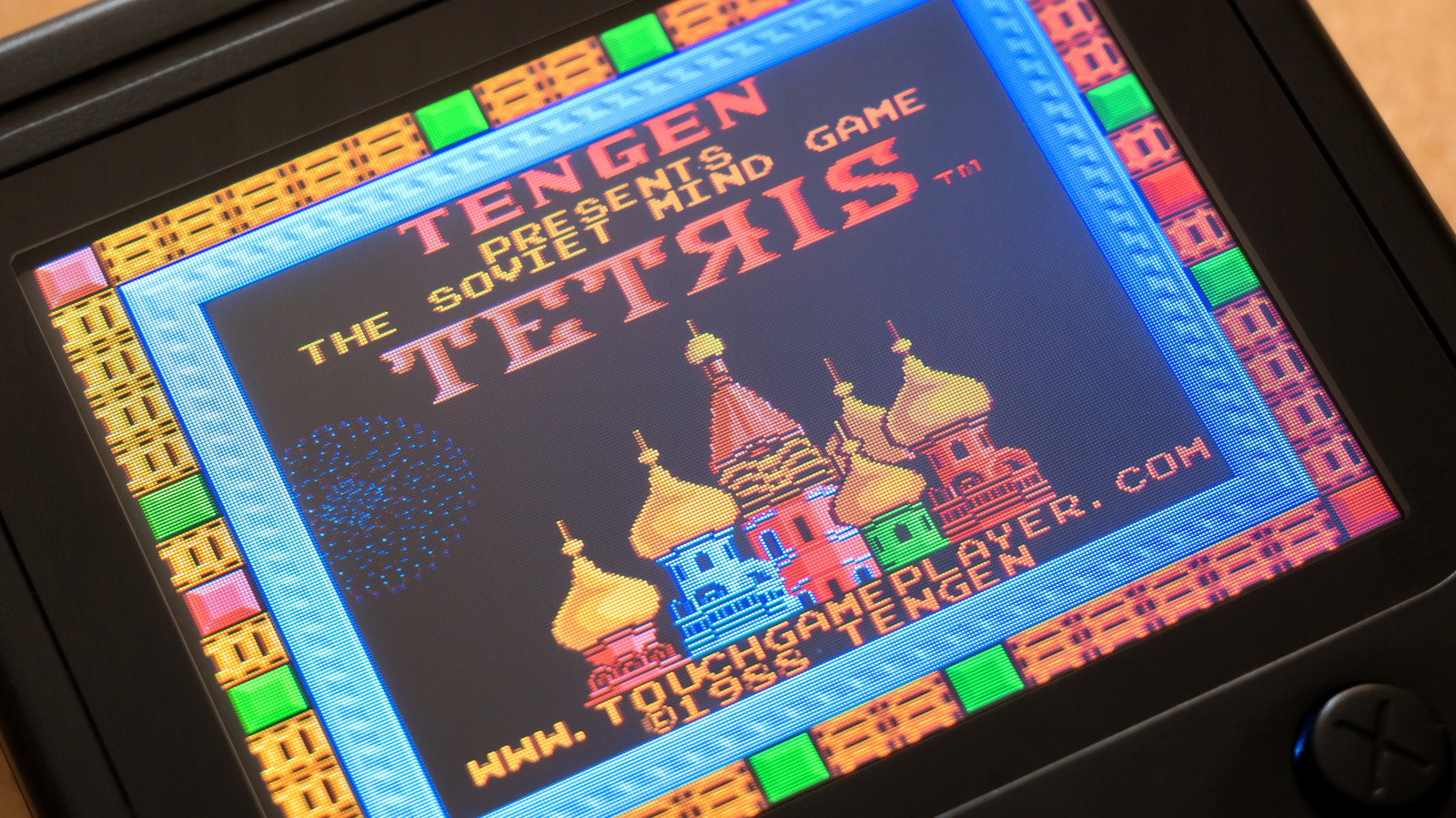
Tetris holds the record for the most re-released video game of all time, with over 200 official versions and countless ports. Created by Alexey Pajitnov in the Soviet Union in 1984, the puzzle game has been distributed across virtually every platform. Its widespread availability and enduring popularity have cemented its status as a global cultural phenomenon.

WireByte Staff · November 21, 2026

WireByte

Tech & AI news, synthesised and to the point.

Delivering original syntheses and breaking news with cited sources. Stay informed with WireByte.

Sections

  • AI & Machine Learning
  • Technology
  • Science
  • Space & Astronomy
  • Gaming & Esports

Company

  • About Us
  • Editorial Policy
  • Privacy Policy
  • Contact: [email protected]

Newsletters

Get the stories that matter, delivered to your inbox.

© 2026 WireByte. All rights reserved. Original syntheses with cited sources.

Home Search