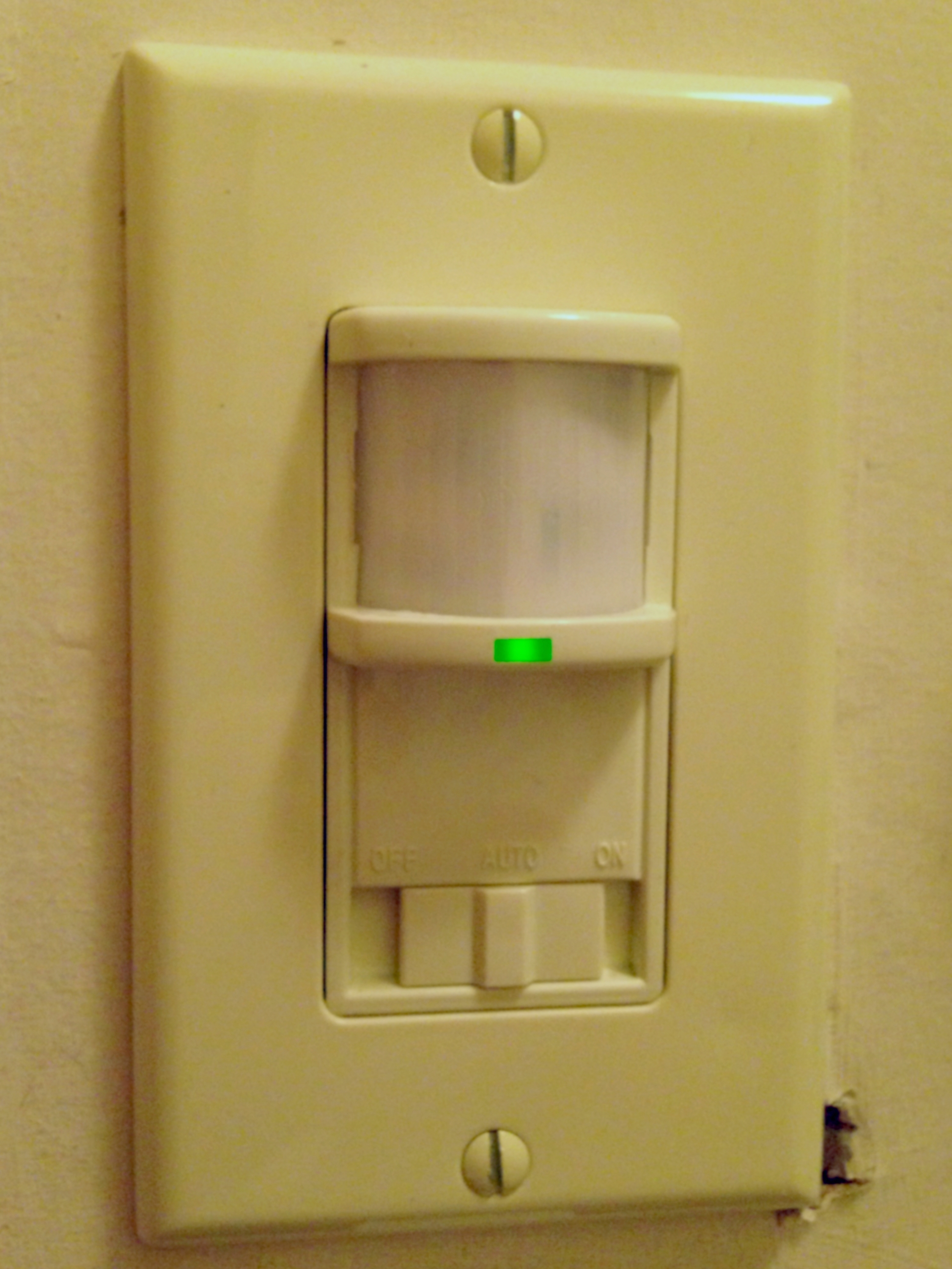
Smart Home Tech Overkill: Presence Sensors Raise Concerns
A tech enthusiast's experience with presence sensors in smart homes has sparked debate over the necessity and effectiveness of these devices. The sensors, which use mmWave radar signals to detect human presence, have been found to be more expensive and sometimes less reliable than motion sensors. The tech industry is now questioning the value proposition of these devices, with some experts suggesting they may be a case of 'smart' technology gone wrong.
Key points
- Philips Hue motion sensors have been replaced with presence sensors in some smart homes due to their improved sensitivity and ability to detect micro-movements.
- Presence sensors use mmWave radar signals to detect human presence, making them more expensive than motion sensors.
- Tech enthusiasts are questioning the value proposition of presence sensors, with some suggesting they may be overkill for smart home automation.
- Industry experts are now debating the effectiveness and necessity of presence sensors in smart homes.
The rise of smart home technology has led to the development of various devices that promise to make our lives easier and more convenient. However, a recent experience with presence sensors has sparked debate over the necessity and effectiveness of these devices.
Presence sensors, which use mmWave radar signals to detect human presence, have been found to be more expensive than motion sensors. However, they have also been shown to be more sensitive and able to detect micro-movements such as breathing. This has led some tech enthusiasts to question the value proposition of these devices.
In an article on 9to5mac, a tech enthusiast shared their experience with presence sensors in their smart home. They found that the devices were more expensive and sometimes less reliable than motion sensors. This has sparked a debate in the tech industry over the effectiveness and necessity of presence sensors.
Industry experts are now weighing in on the issue, with some suggesting that presence sensors may be a case of 'smart' technology gone wrong. Others argue that the devices have their uses, but may not be necessary for every smart home.
As the debate continues, it remains to be seen whether presence sensors will become a standard feature in smart homes or a niche product for those who need them.
Sources
The WireByte editorial team synthesises technology news from multiple primary sources, verifies the facts, and links every source. Articles are produced with AI assistance and reviewed under our editorial policy.