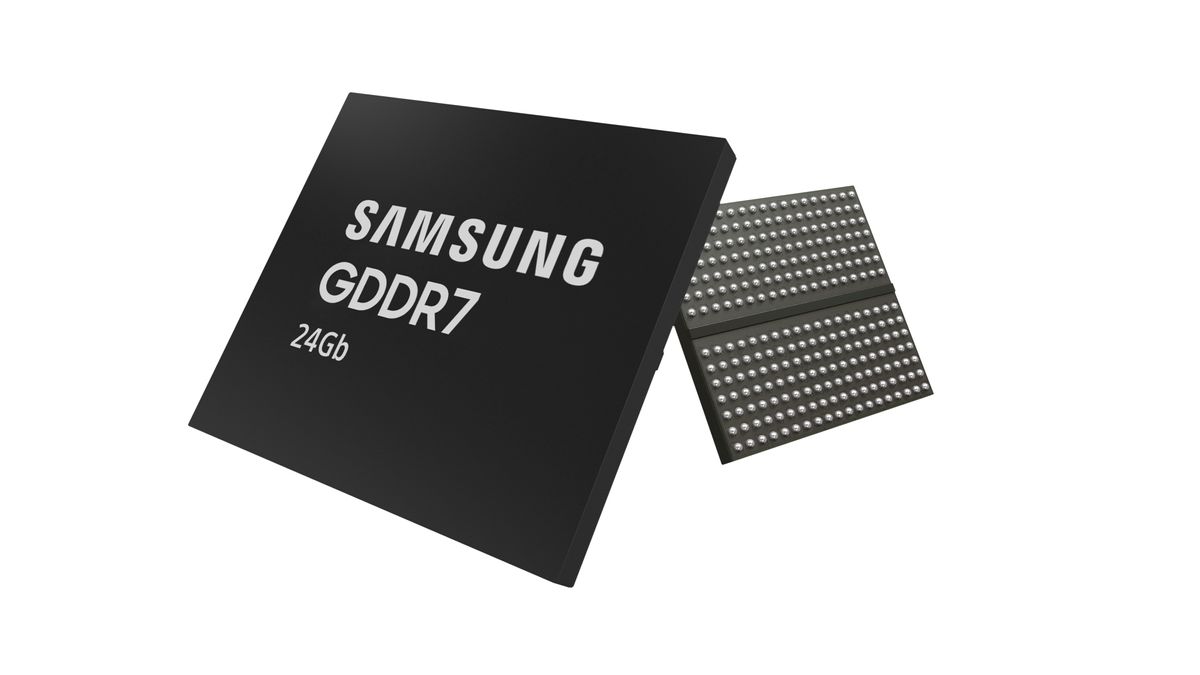
Samsung Forecasts Memory Shortage to Persist Until 2028
Samsung, the world's largest DRAM manufacturer, expects a global memory supply shortage to last until 2028, with conditions worsening in 2027. The company reported its third consecutive record quarter, despite price hikes. This shortage is driven by AI-centric demand and long lead times for new capacity.
Key points
- Samsung, the world's largest DRAM manufacturer, forecasts a global memory supply shortage to last until 2028.
- The shortage is expected to worsen in 2027, with conditions more severe than in 2026.
- Samsung has locked 60 to 70% of its capacity into five-year supply agreements with price floors.
- The company reported its third consecutive record quarter, with ₩171.5 trillion in revenue and ₩89.5 trillion in operating profit.
- The shortage is driven by AI-centric demand and long lead times for new capacity, with Samsung benefiting as a key beneficiary.
Samsung's forecast of a prolonged memory supply shortage has significant implications for the tech industry. Despite reporting its third consecutive record quarter, with ₩171.5 trillion in revenue and ₩89.5 trillion in operating profit, the company expects conditions to worsen in 2027. This shortage is driven by AI-centric demand, which continues to grow at a rapid pace. The long lead times required to build new capacity and bring it online exacerbate the issue, making it difficult for manufacturers to keep up with demand.
The impact of this shortage is already being felt across the industry, with price hikes and supply constraints affecting everything from server racks to gaming PCs. Samsung's decision to lock 60 to 70% of its capacity into five-year supply agreements with price floors may help mitigate some of the effects, but it is unlikely to alleviate the shortage in the short term.
As the tech industry continues to grapple with the consequences of this shortage, it remains to be seen how it will impact the development of AI and other technologies that rely heavily on memory and storage. One thing is certain, however: Samsung is well-positioned to benefit from the shortage, at least in the short term.
Sources
The WireByte editorial team synthesises technology news from multiple primary sources, verifies the facts, and links every source. Articles are produced with AI assistance and reviewed under our editorial policy.