OpenAI Launches ChatGPT Wallet for AI Agent Purchases
OpenAI has introduced ChatGPT Wallet, enabling its 'Dots' AI agents to execute purchases without accessing users' actual card details. Initially available to US-based ChatGPT Pro subscribers aged 18 and older, the feature uses payment tokens and requires biometric approval for every transaction. The rollout aims to establish secure standards for AI-driven commerce while preserving existing card rewards and dispute protections.
Key points
- OpenAI launched ChatGPT Wallet, a payment system allowing its 'Dots' AI agents to complete transactions without viewing users' actual card numbers.
- The service is initially restricted to ChatGPT Pro subscribers aged 18 and older residing in the United States with eligible Visa, Mastercard, or American Express cards.
- Every purchase requires explicit user approval via biometric security checks like Face ID, creating a verifiable record of authorized transactions.
- Payment networks issue unique tokens for each transaction, ensuring merchants and agents never see sensitive financial data.
- OpenAI is not taking a commission on purchases during this initial phase, focusing on building compatibility with banks and merchants.
- The feature preserves existing card rewards and protections for eligible disputes, addressing security concerns in the growing AI agent market.
OpenAI Enters the AI Commerce Space
OpenAI has officially launched ChatGPT Wallet, a new payment infrastructure designed to allow its artificial intelligence agents, known as Dots, to make purchases on behalf of users. This development marks a significant step in the integration of AI into daily consumer transactions, moving beyond simple information retrieval to active economic participation. The company announced the feature on Friday, positioning it as a secure method for AI agents to handle commerce without compromising user financial data.
The launch targets a specific demographic at this stage. ChatGPT Wallet is currently available only to ChatGPT Pro subscribers who are 18 years of age or older and located in the United States. Users must possess eligible payment cards issued by American Express, Mastercard, or Visa. OpenAI stated that this limited rollout is intentional, allowing the company to gather data from real-world usage. The goal is to refine compatibility and reliability before expanding the service to a broader audience or other regions.
Security Through Tokenization and Verification
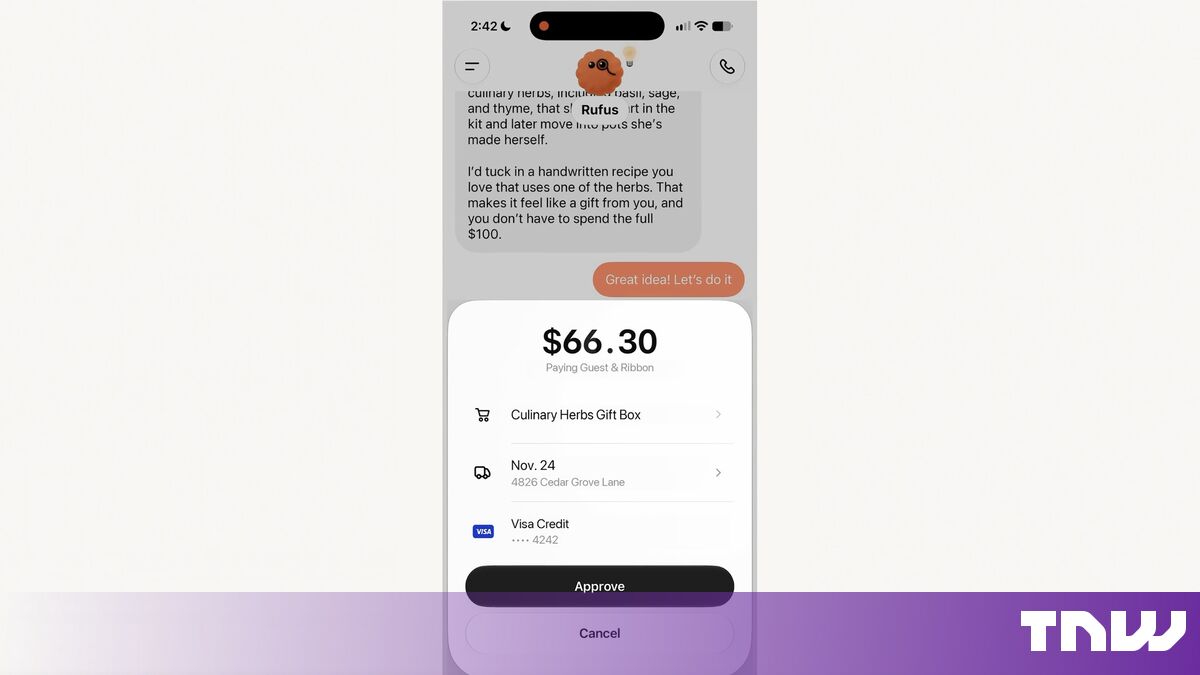
A central concern in AI-driven commerce is the risk of hallucinations or unauthorized spending. OpenAI addresses this by implementing a strict security protocol. Users add their payment information to the wallet only once. However, for every subsequent purchase, the user must explicitly approve the transaction. This approval process requires a security check, such as a fingerprint scan or Face ID.
Once the user approves the purchase, the system does not transmit the actual card number to the merchant or the AI agent. Instead, the payment network generates a unique payment token. This token acts as a substitute for the user’s actual card details, including a specific card number, security code, and expiration date. This tokenization ensures that the business and the agent never have access to sensitive financial information. Each approval creates a clear, immutable record of what the user authorized, which can aid in dispute resolution.
Preserving User Benefits and Merchant Control
OpenAI emphasizes that the new wallet does not strip users of existing benefits. The system is designed to preserve the card’s original rewards structure and protections for eligible disputes, such as returns for defective items. This is a critical feature for maintaining user trust, as many consumers rely on credit card protections for consumer safety.
Merchants also retain significant control. They continue to manage pricing, delivery logistics, returns, and customer service. OpenAI is not taking a cut of the purchases during this initial phase. Chaya Nayak, who leads product for monetization and payments at OpenAI, told CNBC that the focus is on building a safe foundation for merchants and network partners. The company aims to create an ecosystem that is easy to use and secure, rather than immediately monetizing the transaction volume.
Market Context and Future Implications
The introduction of ChatGPT Wallet comes as the industry grapples with the product-market fit for consumer-facing AI tools. While companies like DoorDash and Uber have reported low volumes of orders placed by AI agents, other platforms are seeing higher engagement. Meta’s Muse, which has over 10 million users, has identified AI-assisted shopping as a top activity. OpenAI’s move into this space aligns with a broader trend of personal AI agents becoming more autonomous.
However, the feature is not without limitations. It will not work with websites that block automated agents, a growing issue in online commerce. OpenAI acknowledges the need to work with businesses and banks to improve compatibility. As the company plans to eventually allow users to set spending limits and categorize purchases, the ChatGPT Wallet represents a foundational step toward fully autonomous AI shopping. The success of this pilot program will likely influence how other tech giants approach the intersection of artificial intelligence and financial services.
Key takeaways
- OpenAI launched ChatGPT Wallet to enable Dots AI agents to make purchases securely.
- The feature is initially available to US-based ChatGPT Pro subscribers aged 18 and older.
- Every transaction requires biometric approval and uses payment tokenization for security.
- OpenAI is not taking a commission on purchases during the initial rollout phase.
- The system preserves existing card rewards and dispute protections for users.
- The rollout is limited to test compatibility with merchants and payment networks.
Sources
The WireByte editorial team synthesises technology news from multiple primary sources, verifies the facts, and links every source. Articles are produced with AI assistance and reviewed under our editorial policy.