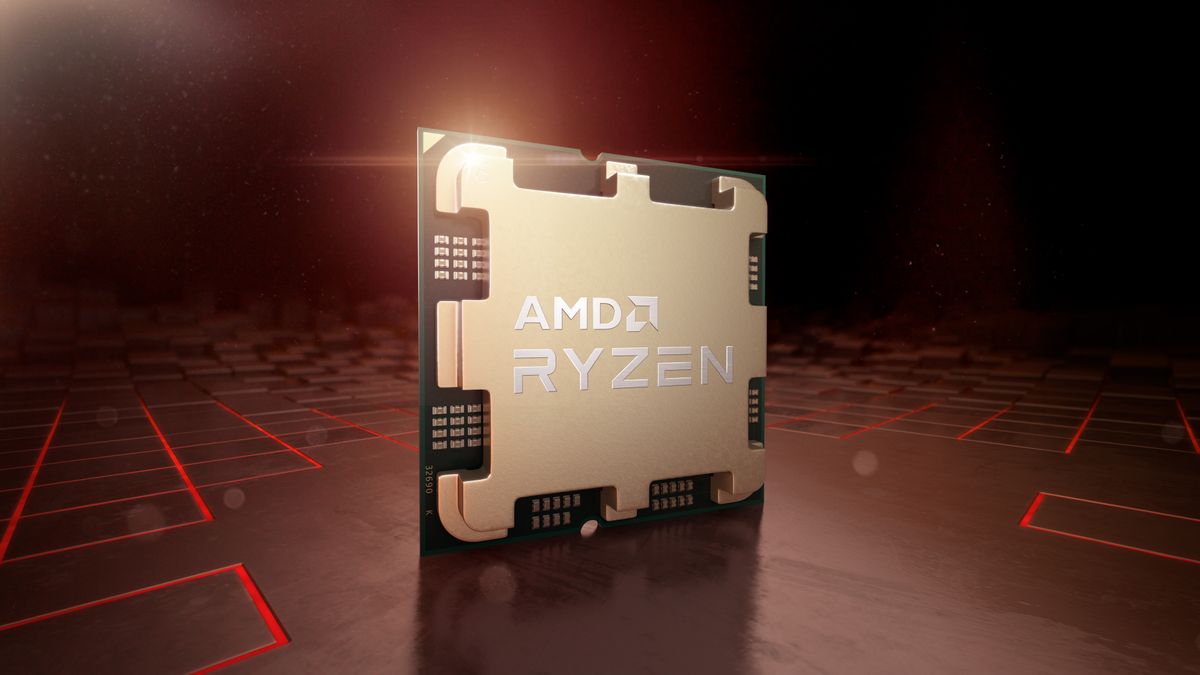
Open-source firmware Dasharo v0.9.0 launches for AMD's AM5 platform
Firmware development company 3mdeb has released Dasharo v0.9.0, the first open-source UEFI firmware for AMD's AM5 platform. The firmware supports Zen 4 Phoenix APUs and MSI's Pro B850-P WiFi motherboard, and is built on Coreboot and AMD's openSIL framework. This marks a significant development in open-source firmware for mainstream consumer platforms.
Key points
- 3mdeb, a firmware development company, has released Dasharo v0.9.0, the first open-source UEFI firmware for AMD's AM5 platform.
- The firmware supports Zen 4 Phoenix APUs and MSI's Pro B850-P WiFi motherboard, and is built on Coreboot and AMD's openSIL framework.
- Dasharo v0.9.0 includes 19 features, such as UEFI-compatible boot interface, UEFI Secure Boot support, and fast boot support.
- This marks a significant development in open-source firmware for mainstream consumer platforms, potentially improving security and customization options.
- 3mdeb has opted to port AMD's openSIL firmware to older Ryzen CPUs, ahead of AMD's planned switch to openSIL starting with Zen 6.
The release of Dasharo v0.9.0 marks a significant milestone in the development of open-source firmware for mainstream consumer platforms. By providing an open-source alternative to closed-source firmware solutions, users may have improved security and customization options. The firmware's support for Zen 4 Phoenix APUs and MSI's Pro B850-P WiFi motherboard demonstrates its potential for widespread adoption. As AMD plans to switch to openSIL starting with Zen 6, 3mdeb's decision to port openSIL firmware to older Ryzen CPUs may prove prescient. The impact of this development on the tech industry remains to be seen, but it is clear that open-source firmware is becoming an increasingly important aspect of modern computing.
Sources
The WireByte editorial team synthesises technology news from multiple primary sources, verifies the facts, and links every source. Articles are produced with AI assistance and reviewed under our editorial policy.