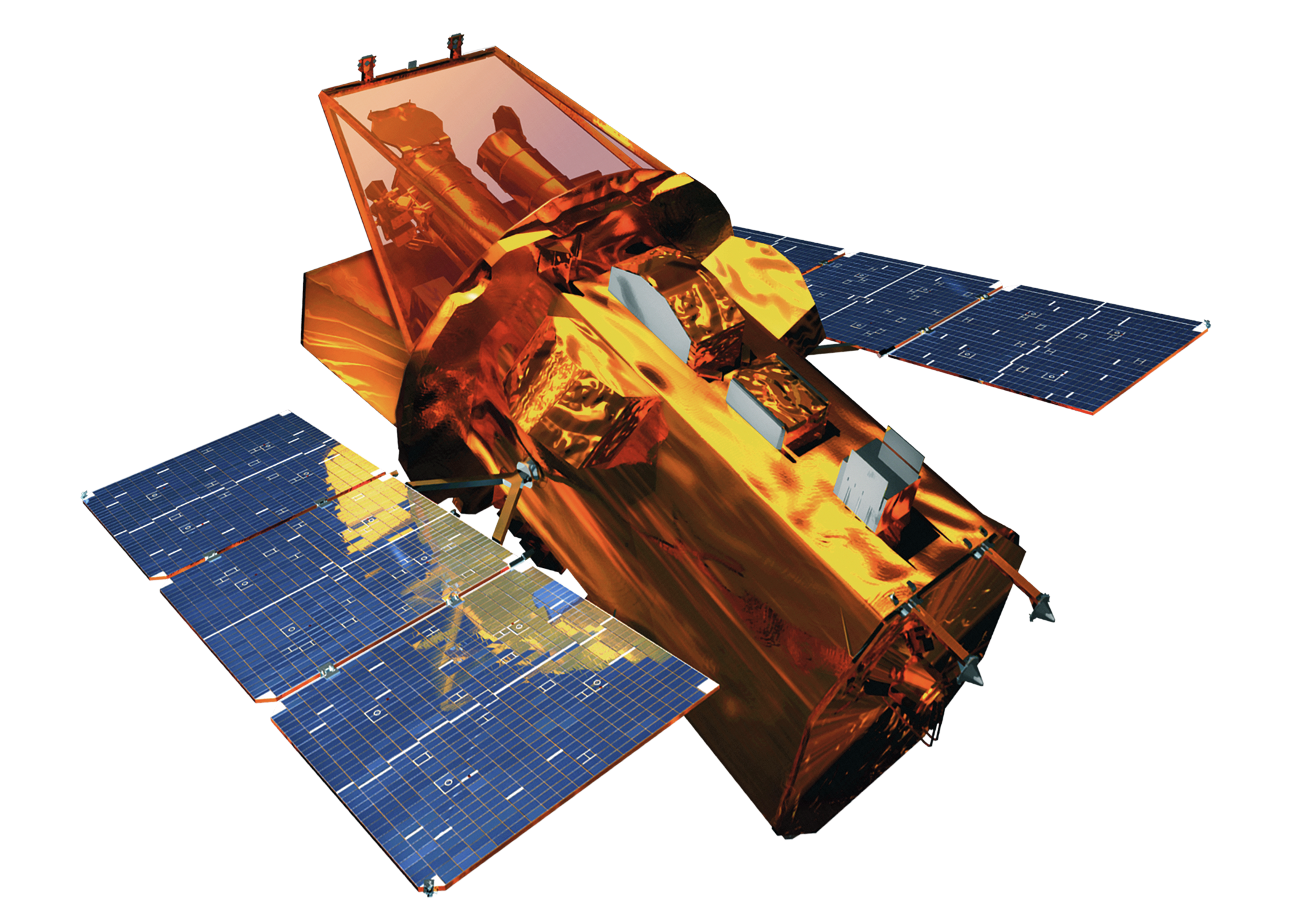
NASA Saves Swift Observatory
NASA launched an emergency mission to save the Swift Observatory from crashing to Earth, partnering with Katalyst Space Technologies to raise its orbit
Key points
- The Swift Observatory, launched in 2004, was in danger of burning up in Earth's atmosphere due to recent solar storms
- Katalyst Space Technologies' Link spacecraft launched to intercept Swift and boost its orbit 150 miles higher
- The mission was assembled in just nine months at a cost of $30 million to save the $500 million Swift Observatory
- The Swift Observatory primarily studies gamma-ray bursts, crucial to understanding the early universe
- NASA required swift action as Swift would be too low to save by October
- The mission aims to raise Swift's orbit from 224 miles to its original position
The Swift Observatory, a NASA spacecraft launched in 2004, was facing a critical situation due to recent solar storms. Its orbit had been pushed lower, putting it at risk of burning up in Earth's atmosphere as early as this year. To prevent this, NASA partnered with Katalyst Space Technologies to launch an emergency mission. The company's Link spacecraft was tasked with intercepting the Swift Observatory and boosting its orbit back to its original position. The mission was assembled in a remarkably short time frame of nine months, with a budget of $30 million. This swift action was necessary as Swift would be too low to save by October. The Swift Observatory is a valuable asset, with a price tag of $500 million, and plays a crucial role in studying gamma-ray bursts. These bursts have been instrumental in helping scientists understand the early days of the universe. The Link spacecraft will use its unique three-armed design to lift the Swift Observatory 150 miles higher into orbit. This challenging maneuver is made more impressive by the speed at which Katalyst Space Technologies pulled the mission together. With the success of this mission, the Swift Observatory will be able to continue its vital work, providing scientists with valuable insights into the universe.
Sources
The WireByte editorial team synthesises technology news from multiple primary sources, verifies the facts, and links every source. Articles are produced with AI assistance and reviewed under our editorial policy.