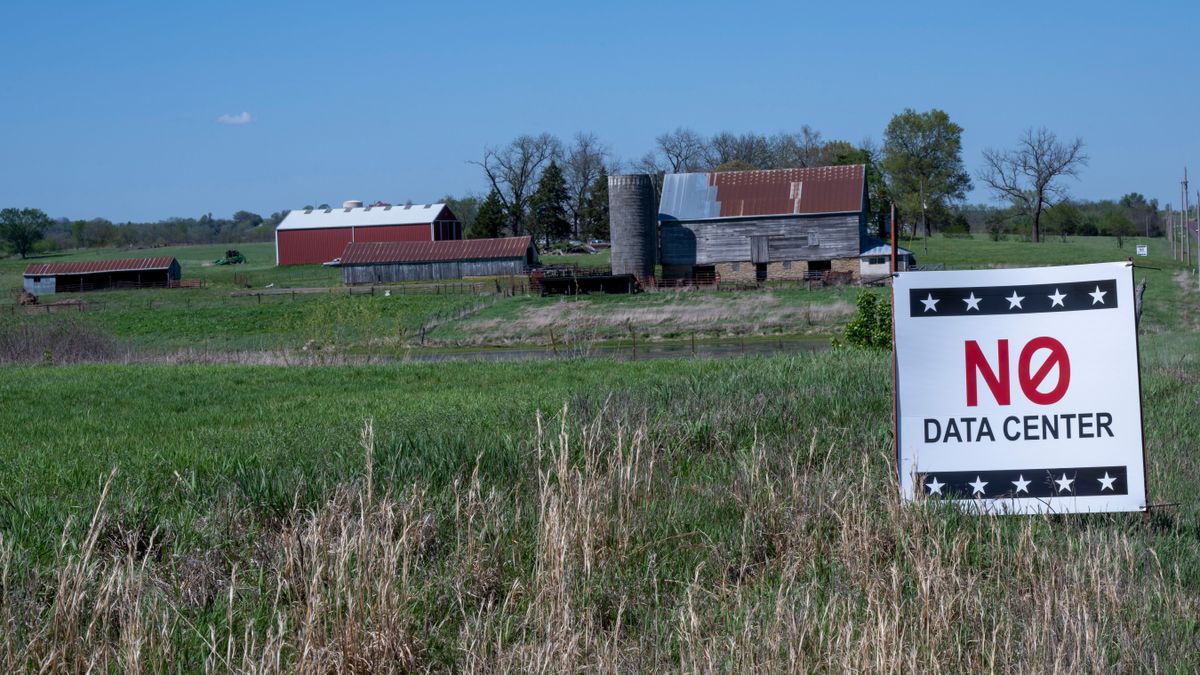
Kentucky family rejects $26 million AI data center offer
A Northern Kentucky family turned down a $26 million offer to convert their 1,200-acre farmland into an AI data center, citing concerns over the environmental impact and their family's legacy of providing food for generations. The AI company's proposal sparked a heated debate about the trade-offs between technological progress and rural preservation.
Key points
- The Huddleston family, who have owned and cultivated the land for generations, rejected a $26 million offer from an anonymous AI company to build a data center on their 1,200-acre farmland in Northern Kentucky.
- The family cited concerns over the environmental impact of the data center, including the potential for water pollution and the loss of fertile land.
- The AI company sought to acquire roughly half of the land for the data center project, which would have been a significant development in the region.
- The family's decision has sparked a debate about the trade-offs between technological progress and rural preservation, with some analysts arguing that the data center would have brought economic benefits to the area.
- The Huddleston family has a long history of providing food for generations, and they are determined to preserve their land and legacy.
The Huddleston family's decision to reject the $26 million offer has sent shockwaves through the tech industry and beyond. The family's farmland in Mason County is a prime location for a data center, and the AI company's proposal was likely seen as a major opportunity for growth. However, the family's concerns over the environmental impact of the data center are well-founded. The construction of a data center would have required significant resources, including water and energy, and would have likely led to the loss of fertile land. The family's decision to prioritize their legacy and the preservation of their land is a testament to their commitment to their values and their community.
The debate over the trade-offs between technological progress and rural preservation is a complex one. On the one hand, the data center would have brought economic benefits to the area, including jobs and investment. On the other hand, the environmental impact of the data center would have been significant, and the loss of fertile land would have had long-term consequences for the community.
The Huddleston family's decision has sparked a wider conversation about the role of technology in rural communities. As the demand for data centers continues to grow, it is likely that we will see more conflicts between technological progress and rural preservation. The Huddleston family's decision serves as a reminder of the importance of considering the long-term consequences of our actions and prioritizing the needs of our communities.
In the end, the Huddleston family's decision to reject the $26 million offer is a testament to their commitment to their values and their community. As the debate over the trade-offs between technological progress and rural preservation continues, it is clear that there is no easy answer. However, one thing is certain: the Huddleston family's decision will have a lasting impact on the community and will serve as a reminder of the importance of prioritizing the needs of our communities.
Sources
The WireByte editorial team synthesises technology news from multiple primary sources, verifies the facts, and links every source. Articles are produced with AI assistance and reviewed under our editorial policy.