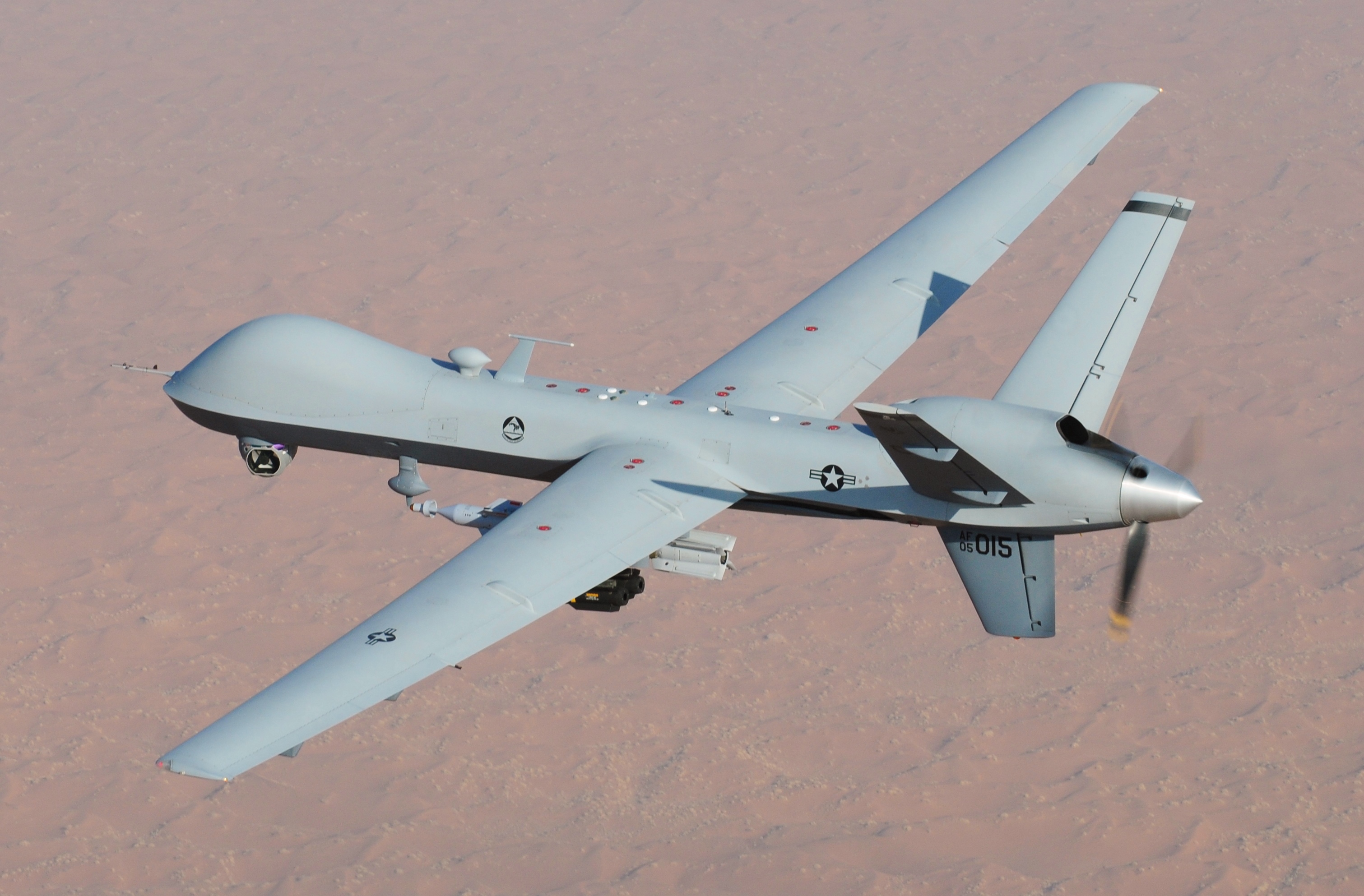
Israel Tests Autonomous Drone System to Detect Wildfires Early
Israel has successfully tested an autonomous drone system designed to detect wildfires within minutes. Developed by state and academic entities using Israel Aerospace Industries' APUS 25 aircraft, the technology sends exact coordinates to emergency command centers. The innovation arrives as European wildfires have caused numerous fatalities and mass evacuations, highlighting urgent international demand for advanced early-warning wildfire prevention tools.
Key points
- Israel successfully tested a new autonomous drone system designed to detect newly ignited wildfires within minutes.
- The aircraft is built around the APUS 25 model created by state-owned Israel Aerospace Industries.
- Collaborators on the project include Israel's Ministry of National Security, the Innovation Authority, and the Technion.
- The autonomous system directly relays verified fire coordinates to emergency command centers for rapid response.
- By early August 2026, European wildfires had resulted in at least 17 civilian deaths, 8 firefighter deaths, and roughly 330,000 displaced individuals.
Amid severe seasonal heat waves and mounting environmental risks, Israel has completed the initial test of an autonomous drone system aimed at catching wildfires at their earliest stages. The technology utilizes thermal and optical sensors aboard the APUS 25 aircraft, developed by Israel Aerospace Industries, to autonomously patrol designated zones and identify newly ignited blazes before they escalate.
The project is a collaborative initiative involving Israel's Ministry of National Security, the Innovation Authority, and the Technion. Once the aircraft detects a potential threat and confirms ignition, it automatically transmits precise location coordinates directly to Israel's Fire and Rescue Authority command centers, significantly reducing critical response delays.
The deployment of advanced aerial detection tools comes as regions across Europe and the Middle East face intensifying wildfire threats driven by extreme heat. By early August 2026, European blazes had already claimed at least 17 civilian and 8 firefighter lives, forcing approximately 330,000 people to evacuate. Officials hope that rapid autonomous monitoring systems will provide a vital line of defense against future environmental catastrophes.
Sources
The WireByte editorial team synthesises technology news from multiple primary sources, verifies the facts, and links every source. Articles are produced with AI assistance and reviewed under our editorial policy.