iPhone 18 Pro Sales Surge in China Offsets U.S. Decline
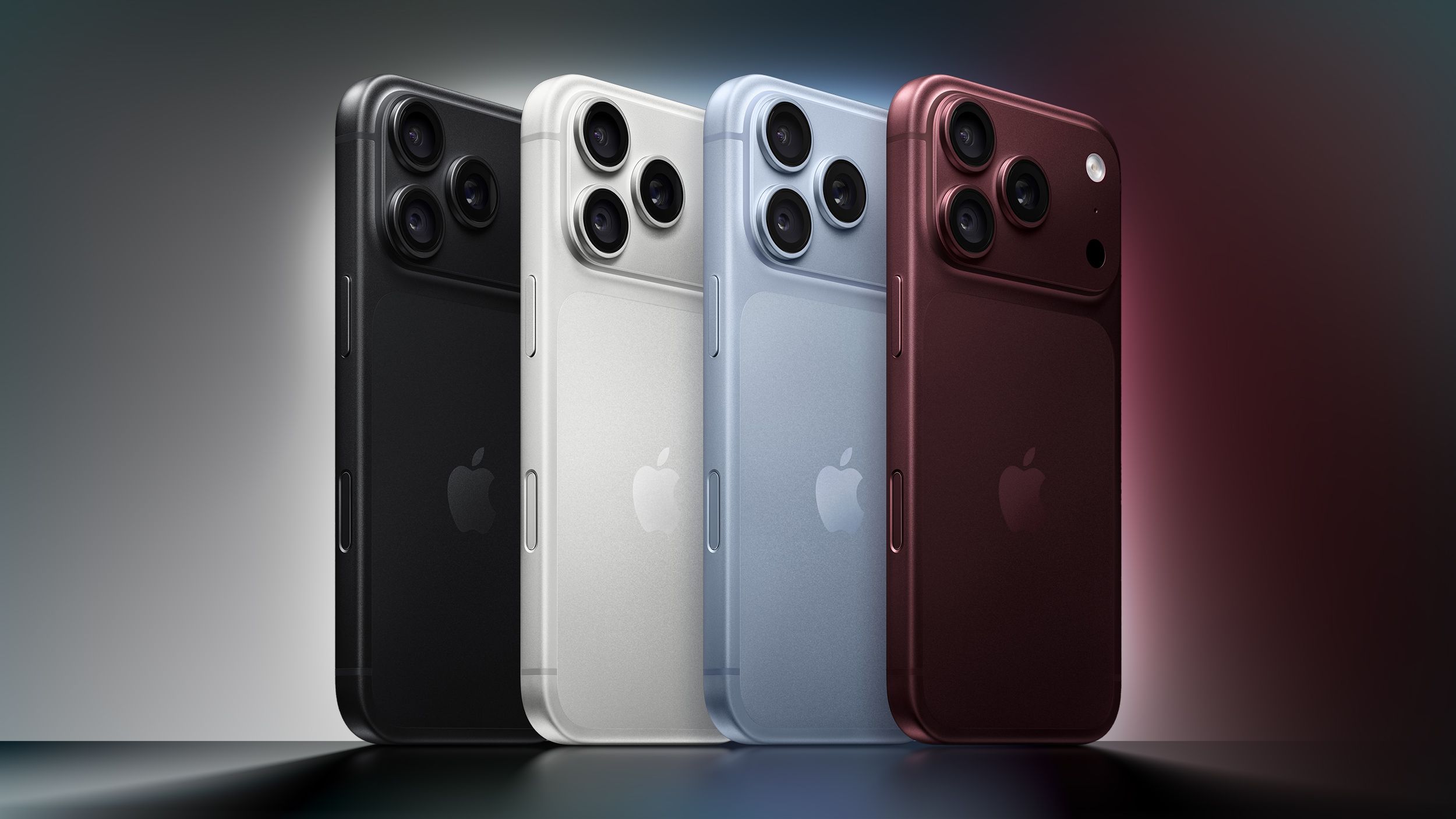
Apple’s iPhone 18 Pro series posted a 3.1% global sales increase in its first three weeks, driven by a 29% surge in China. This growth offset declines in the U.S. and Japan, where higher prices and perceived lack of innovation dampened demand. Counterpoint Research attributes the disparity to supply chain advantages in Asia and regional pricing impacts.
Key points
- Apple’s iPhone 18 Pro and Pro Max saw a 3.1% global sales increase in their first three weeks, with China driving a 29% growth surge.
- U.S. sales fell 4% and Japan dropped 27%, as buyers cited insufficient design changes and higher prices, including a $100 increase to $1,199 for the Pro.
- Counterpoint Research attributes China’s success to better initial supply and higher prices for competing Android flagships, while exchange rates exacerbated costs in Japan.
- The Pro Max’s sales share slipped from 57% to 56%, with growth in India and Southeast Asia favoring the smaller model.
- Analysts are monitoring the upcoming October 23 launch of the iPhone Duo to see if the foldable device diverts purchases from the Pro Max or adds new buyers.
Global Sales Performance Diverges by Region
Apple’s latest smartphone launch has presented a mixed global picture, with significant regional disparities in consumer response. According to data from Counterpoint Research, combined global sales of the iPhone 18 Pro and iPhone 18 Pro Max rose by 3.1% during their first three weeks of availability compared to the same period last year. However, this modest global growth masks a stark divide between markets. While China emerged as the primary engine of growth, recording a 29% increase in sales, other key markets struggled. In the United States, sales declined by 4%, and Japan experienced a more severe drop of 27%.
Pricing and Supply Chain Factors
The divergence in performance is largely attributed to supply chain dynamics and regional pricing strategies. Counterpoint Research noted that Apple benefited from better initial supply availability in China, which allowed the company to capture demand more effectively. Additionally, the firm highlighted that competing Android flagships have seen price increases, making Apple’s devices relatively more attractive in that market. In contrast, Apple raised the starting price of the iPhone 18 Pro by $100 in the United States, bringing the base price to $1,199, while the Pro Max now starts at $1,299. In Japan, the impact of these price hikes was compounded by unfavorable exchange rates, further dampening consumer interest.
Consumer Sentiment and Feature Reception
In the United States, consumer feedback suggests that the incremental updates to the iPhone 18 Pro were insufficient to drive strong adoption. Despite the introduction of new features, such as a variable aperture camera, buyers perceived the changes as minor relative to the price increase. This sentiment contributed to the 4% sales decline. Meanwhile, the product mix has shifted slightly, with the Pro Max model’s share of total sales slipping from 57% to 56%. Growth in emerging markets like India and Southeast Asia has favored the smaller, more affordable Pro model over the larger Pro Max variant.
Looking Ahead to the iPhone Duo
As Apple continues to navigate these regional challenges, attention is turning to its next major product announcement. The tracking period for the current sales data predates the launch of the iPhone Duo, Apple’s first foldable smartphone, scheduled for October 23. Industry analysts are closely monitoring whether the introduction of the foldable device will attract new buyers to the ecosystem or if it will cannibalize sales from the existing iPhone 18 Pro Max. The success of the iPhone Duo could significantly influence Apple’s overall market trajectory in the coming months.
Additional Technical Issues
Beyond sales metrics, Apple has also addressed technical concerns affecting a subset of users. The company confirmed that a small number of iPhone 18 Pro Max users on the AT&T network have experienced an issue causing a loss of cellular service. Apple has stated that these devices will need to be replaced, highlighting ongoing quality control challenges that accompany the rollout of new hardware. This development adds another layer of complexity to the iPhone 18 Pro Max’s market performance, potentially impacting customer satisfaction and retention in key markets.
Key takeaways
- Global sales of the iPhone 18 Pro series rose 3.1% in the first three weeks, driven by a 29% surge in China.
- U.S. sales fell 4% and Japan dropped 27%, due to higher prices and perceived lack of innovation.
- Apple raised U.S. prices by $100, with the Pro starting at $1,199 and the Pro Max at $1,299.
- The Pro Max’s sales share decreased to 56%, with smaller models gaining traction in India and Southeast Asia.
- Analysts are watching the October 23 iPhone Duo launch to assess its impact on existing Pro sales.
- Apple is replacing iPhone 18 Pro Max units for AT&T users experiencing cellular service failures.
Sources
The WireByte editorial team synthesises technology news from multiple primary sources, verifies the facts, and links every source. Articles are produced with AI assistance and reviewed under our editorial policy.