Hot-Water Epilepsy Cases Highlight Rare Reflex Seizure Triggers
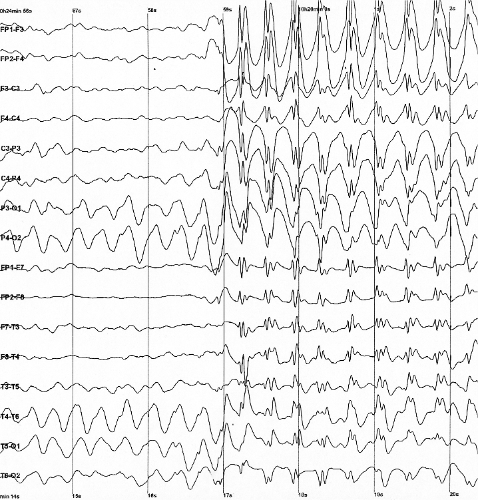
A young man in India experiences seizures exclusively during hot showers, highlighting the unusual triggers of reflex epilepsy. This rare condition is caused by abnormal brain responses to specific stimuli, such as flashing lights, music, or activities like bathing. Experts warn that identifying and avoiding triggers is crucial for managing reflex epilepsy.
Key points
- A young man in India experiences seizures during hot showers, a rare case of hot-water epilepsy.
- Reflex epilepsy is triggered by specific stimuli, such as flashing lights, music, or activities like bathing.
- The condition is caused by abnormal brain responses to these triggers, leading to seizures.
- Experts recommend identifying and avoiding triggers to manage reflex epilepsy.
Reflex epilepsy, a rare condition, has been highlighted by a young man in India who experiences seizures exclusively during hot showers. This phenomenon is part of a broader category of epilepsy where seizures are triggered by specific stimuli, such as flashing lights, music, or activities like bathing.
Hot-water epilepsy, as it is known, is a type of focal epilepsy, where seizures are confined to a specific area of the brain. The condition is caused by abnormal brain responses to these triggers, leading to seizures. In this case, the young man's brain responds abnormally to hot water, causing seizures.
Experts warn that identifying and avoiding triggers is crucial for managing reflex epilepsy. By understanding the specific stimuli that trigger seizures, individuals can take steps to prevent them. This may involve avoiding certain activities or environments, or using techniques to reduce the likelihood of seizures.
Reflex epilepsy is a complex condition, and more research is needed to fully understand its causes and consequences. However, by highlighting the unusual triggers of this condition, experts hope to raise awareness and promote better management of reflex epilepsy.
Sources
The WireByte editorial team synthesises technology news from multiple primary sources, verifies the facts, and links every source. Articles are produced with AI assistance and reviewed under our editorial policy.