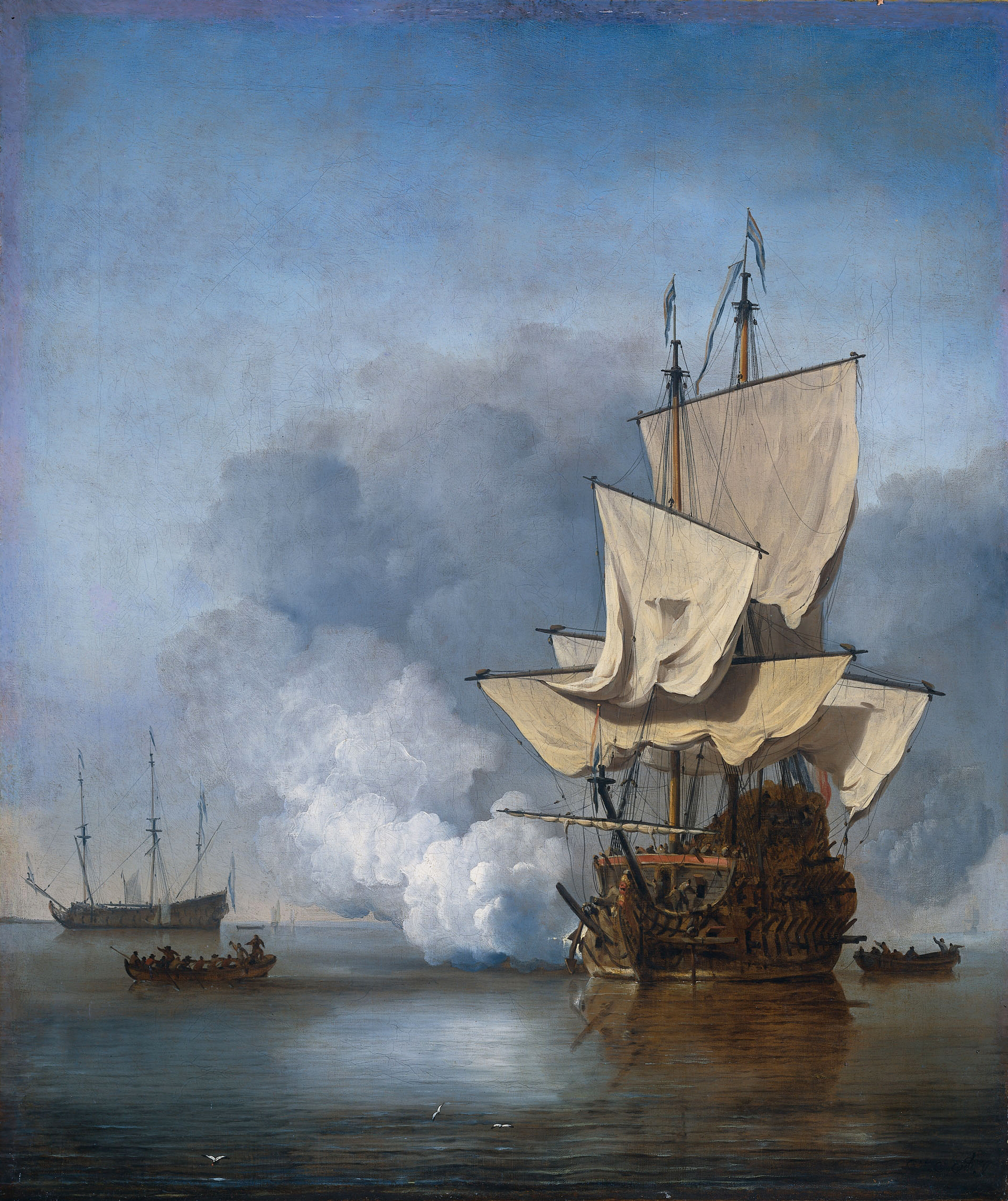
Historic Warship Preserved with Cutting-Edge Tech
A team in Sweden is using innovative technology to preserve a historic warship, showcasing advancements in maritime conservation. The project combines 3D scanning, virtual reality, and artificial intelligence to restore the vessel's intricate details. The initiative has sparked interest among historians and tech enthusiasts alike, highlighting the potential of technology in preserving cultural heritage.
Key points
- The project involves the preservation of the Swedish warship Vasa, which sank in 1628.
- The team is using 3D scanning and virtual reality to recreate the ship's intricate details, including its wooden hull and ornate decorations.
- Artificial intelligence is being employed to analyze and restore the ship's fabric, ensuring accuracy and precision.
- The initiative has garnered attention from historians, tech experts, and the general public, demonstrating the potential of technology in preserving cultural heritage.
- The project is expected to set a new standard for maritime conservation, inspiring similar initiatives worldwide.
Saving a Shipwreck: The Cutting-Edge Tech Behind the Vasa Preservation
In a groundbreaking effort to preserve a piece of history, a team in Sweden is utilizing innovative technology to restore the 17th-century warship Vasa. This ambitious project has sparked interest among historians, tech enthusiasts, and the general public alike, highlighting the potential of technology in preserving cultural heritage.
The Vasa, which sank in 1628, is one of the best-preserved shipwrecks in the world. However, its intricate details and wooden hull have been deteriorating over the years, making it a challenging task to restore. The team is employing cutting-edge technologies, including 3D scanning, virtual reality, and artificial intelligence, to recreate the ship's original appearance.
The 3D scanning process involves capturing the ship's intricate details, including its wooden hull, ornate decorations, and even the smallest rivets. This data is then used to create a virtual reality model, allowing the team to visualize and analyze the ship's structure in unprecedented detail.
Artificial intelligence is also being employed to analyze and restore the ship's fabric, ensuring accuracy and precision. The AI system can detect even the slightest imperfections and suggest corrections, making the restoration process more efficient and effective.
The Vasa preservation project is expected to set a new standard for maritime conservation, inspiring similar initiatives worldwide. As technology continues to advance, it's likely that we'll see more innovative projects like this one, pushing the boundaries of what's possible in preserving our cultural heritage.
Sources
The WireByte editorial team synthesises technology news from multiple primary sources, verifies the facts, and links every source. Articles are produced with AI assistance and reviewed under our editorial policy.