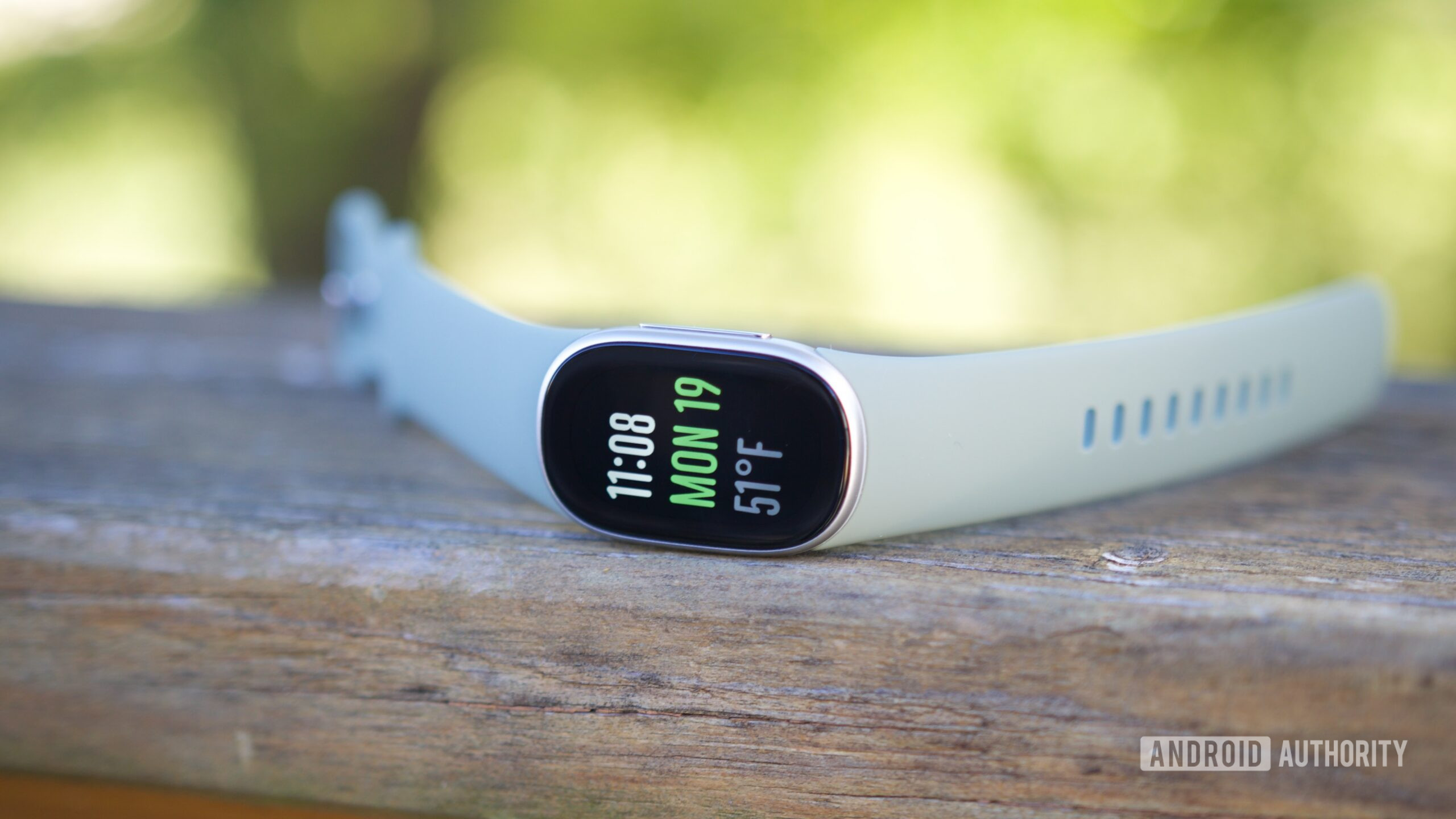
Google omits NFC from Fitbit Edge due to low Charge 6 usage
Google confirmed the new Fitbit Edge lacks NFC contactless payment support, citing that under 1% of Charge 6 owners used the feature. The tracker includes ECG, altimeter, and skin temperature monitoring. This omission affects users seeking phone-free transit or payments, though core health metrics remain robust. The decision prioritizes specific health data over universal payment convenience.
Key points
- Google, the developer of the Fitbit Edge fitness tracker, confirmed the device lacks Near Field Communication (NFC) for contactless payments.
- The decision was driven by data showing less than 1% of Fitbit Charge 6 owners utilized the NFC feature in previous models.
- The Fitbit Edge includes an altimeter, ECG functionality, and skin temperature tracking, but omits NFC for transit or payment.
- The tracker was announced earlier this month and focuses on health and wellness metrics rather than universal payment convenience.
- Some users, including Android Authority editor Brady Snyder, cited the lack of NFC as a primary reason for skipping the purchase.
- The omission means users must carry their smartphone for contactless transactions, despite the device's advanced health sensors.
Google has clarified why its newly announced Fitbit Edge fitness tracker omits Near Field Communication (NFC) technology, a feature that enables contactless payments and public transit access. In a statement to Android Authority, Google explained that the decision was data-driven, noting that fewer than 1% of Fitbit Charge 6 owners had used the NFC capability in the previous generation. This low adoption rate led the company to prioritize other hardware components in the new model.
The Fitbit Edge, which was unveiled earlier this month, focuses heavily on health and wellness metrics. The device includes an altimeter for elevation tracking, electrocardiogram (ECG) functionality for heart health monitoring, and skin temperature tracking. These features align with Fitbit’s broader strategy of integrating advanced biometric data into wearable devices. However, the absence of NFC means users cannot tap the watch to pay for goods or tap into public transit systems without their smartphone.
The omission has sparked mixed reactions among potential buyers. While the robust health sensor suite appeals to fitness enthusiasts, the lack of contactless payment convenience has deterred some consumers. For instance, Android Authority editor Brady Snyder noted that the missing NFC chip was a decisive factor in his decision to pass on the device. As Google continues to refine its wearable ecosystem, the Fitbit Edge represents a trade-off between specialized health monitoring and everyday utility features.
Sources
The WireByte editorial team synthesises technology news from multiple primary sources, verifies the facts, and links every source. Articles are produced with AI assistance and reviewed under our editorial policy.





