Google Launches Tabletop AI for Collaborative Group Planning
Google Labs has introduced Tabletop, an experimental AI platform allowing US adults to generate custom collaborative tools via natural language prompts. The service enables real-time group editing for tasks like trip planning and expense splitting, functioning similarly to shared documents. Access is currently limited to a US-based waitlist for users over 18.
Key points
- Google Labs has launched Tabletop, an experimental AI platform that generates custom collaborative tools from user prompts.
- The service allows groups to build real-time planning aids for activities like trip itineraries, expense splitting, and event polls.
- Access is currently restricted to a waitlist for users aged 18 and older located in the United States.
- The platform functions similarly to shared documents, enabling multiple users to edit and interact with generated tools simultaneously.
- Google has not disclosed the specific AI model powering the application, though it draws visual comparisons to workplace management apps.
Google Labs Introduces Collaborative AI Tool
Google Labs has officially launched Tabletop, a new experimental application designed to streamline group coordination through artificial intelligence. The platform allows users to create customized collaborative hubs by simply describing their needs in natural language. This approach aims to simplify the organization of social and personal events, offering an alternative to traditional, rigid workplace management software. The tool is currently available to a limited audience as part of Google’s ongoing experimentation with generative AI features for consumer use.
How the Platform Works
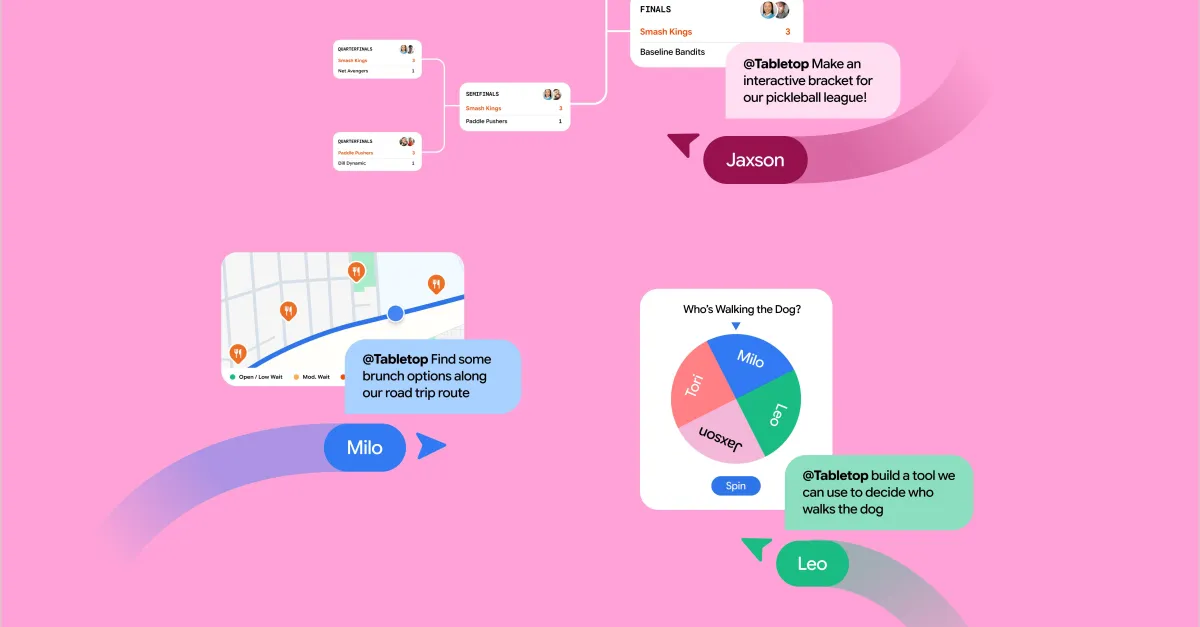
Users begin by adding links, files, and ideas into a shared digital space. They then interact with the system by typing prompts to @tabletop or selecting from pre-existing starter templates. The AI processes these inputs to generate interactive tools tailored to specific group activities. Examples provided by Google include custom trip itineraries, dinner polls, expense splitters, and tournament brackets. Once the tool is generated, the creator shares an invite link, allowing all participants to access and use the space concurrently, similar to editing a Google Document.
Real-Time Collaboration Features
A core feature of Tabletop is its capacity for real-time collaboration. Group members can vote on options, track progress, and make adjustments simultaneously. The platform is designed to adapt to changing plans; users can ask the AI to modify rules or add new elements without starting the creation process from scratch. This flexibility is intended to reduce the friction often associated with coordinating schedules and logistics among multiple people. The interface shares visual similarities with popular workplace management applications like Asana and Monday, but is optimized for personal and social use cases.
Use Cases and Examples
Google has highlighted a variety of potential applications for Tabletop, ranging from road trips and weddings to weekly meal planning and school pickup schedules. In one illustrative example, a simple Pong game was transformed into a Pickle Pong variant with a live scoreboard and a bouncing pickle character. Another example demonstrates how a chore tracker can be gamified with points and shared rewards. These examples suggest the platform’s versatility in handling both logistical planning and recreational activities. The ability to turn mundane tasks into interactive experiences is a key selling point for the beta version.
Availability and Restrictions
Access to Tabletop is currently rolling out through a waitlist system. The service is limited to users aged 18 and older who are located in the United States. New users are added to the platform each week as capacity allows. Google has not specified the exact AI model that powers the application, leaving the technical underpinnings undisclosed. While the current age restriction may seem limiting for family planning scenarios, it is likely a precautionary measure during the public testing phase. The company has not yet announced plans for a global rollout or an expansion of the age criteria.
Strategic Context
The launch of Tabletop represents Google’s continued effort to integrate generative AI into everyday consumer workflows. By focusing on collaboration, Google aims to compete in a market where productivity and social coordination tools are increasingly automated. The experiment allows the company to gather user feedback on how people interact with AI-generated interfaces in a group setting. This data will be crucial for refining the technology before any potential broader release. The move also underscores Google’s strategy of leveraging its existing ecosystem, such as Google Docs, to enhance user engagement.
Key takeaways
- Google Labs has released Tabletop, an AI tool for creating custom collaborative planning apps.
- Users generate tools like itineraries and expense splitters using natural language prompts.
- The platform supports real-time editing and interaction among group members.
- Access is currently limited to a US-based waitlist for adults over 18.
- Google has not disclosed the specific AI model powering the application.
- The tool aims to simplify social and personal event coordination.
Sources
The WireByte editorial team synthesises technology news from multiple primary sources, verifies the facts, and links every source. Articles are produced with AI assistance and reviewed under our editorial policy.