Google Gemini Integrates with Wallet for Spending Analysis
Google has launched a new feature allowing Gemini users to connect bank accounts via Google Wallet for personalized financial insights. Available in the US on all platforms, the read-only integration helps identify subscriptions and track cash flow. Privacy advocates remain cautious about AI access to sensitive financial data.
Key points
- Google has integrated its Gemini AI chatbot with Google Wallet to enable personalized financial analysis for users.
- The feature allows users to link bank accounts and credit cards via Plaid for read-only spending insights.
- The rollout is currently limited to the United States across Android, iOS, and web platforms.
- Users can query the AI to identify subscriptions, track cash flow, and generate dynamic budgeting charts.
- Privacy concerns persist as the system processes sensitive financial data, though Google claims secure handling.
Financial AI Integration Launches
Google has officially expanded the capabilities of its Gemini artificial intelligence assistant by introducing a direct integration with Google Wallet. This new feature, announced on November 13, 2026, allows users to connect their bank accounts and credit cards to the chatbot. The primary purpose of this integration is to provide personalized financial insights rather than facilitating automated purchases. Unlike some competitors that explore autonomous shopping agents, Google positions this tool strictly as an analytical assistant designed to help users understand their spending habits and manage personal finances more effectively.
How the Integration Works
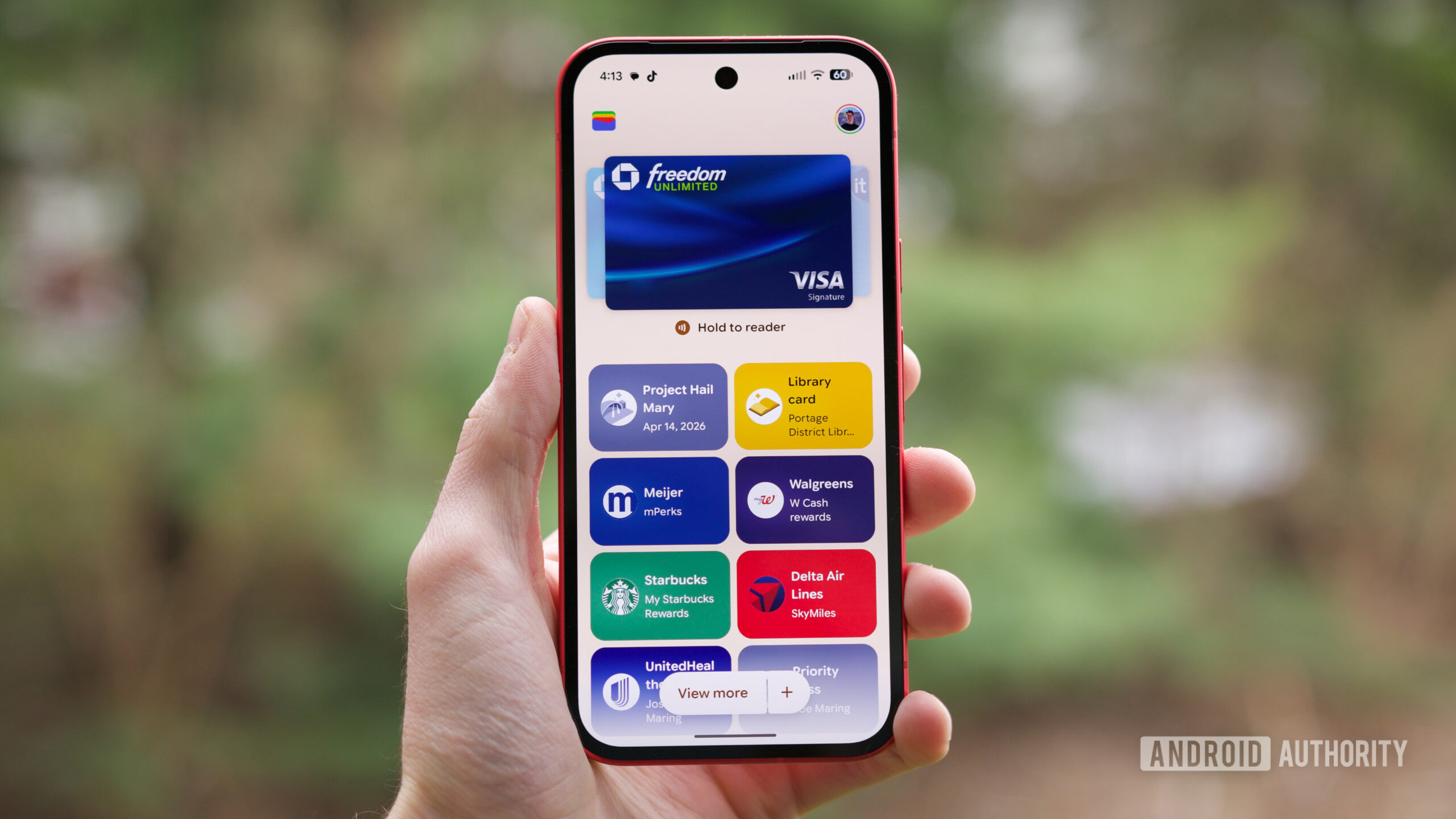
The connection between Gemini and financial data is facilitated through Plaid, a widely used financial data network. Users in the United States can now link their existing bank accounts and credit cards to Google Wallet. Once connected, the integration operates in a read-only capacity, meaning the AI can analyze transaction history but cannot initiate transfers or payments. To access these features, users must open the Gemini application and explicitly mention @Google Wallet in their queries. This manual trigger ensures that the AI only accesses financial data when specifically requested by the user, rather than passively monitoring accounts in the background.
Capabilities and Use Cases
The integration offers several specific tools for financial management. Users can ask Gemini to review expenses from a specific period, such as the past month, to identify where the majority of their money has been spent. The system is designed to detect patterns that might be missed during manual review, such as forgotten subscriptions or unexpected price increases on recurring services. For example, if a user’s subscription costs have risen, Gemini can flag this change and suggest potential savings. Additionally, the AI can generate specific budgets for predetermined timeframes, including holiday spending plans, complete with dynamic charts that track cash flow and asset allocation.
Platform Availability and Scope
While the feature represents a significant step in personal finance AI, its initial rollout is geographically restricted. The integration is currently available only to users in the United States. It supports access across multiple devices and interfaces, including Android smartphones, iOS devices, and the web-based version of Gemini. This phased approach allows Google to monitor performance and address any technical or regulatory issues before expanding to other markets. The company has not yet announced a timeline for global availability, though the technology is designed to be platform-agnostic.
Privacy and Security Considerations
The integration of AI with sensitive financial data has raised privacy concerns among security experts and consumer advocates. Google has stated that the Personal Intelligence feature securely connects information from apps users already use, emphasizing that the data is handled with strict privacy controls. The read-only nature of the integration is a key security feature, preventing the AI from making unauthorized financial decisions. However, critics argue that storing detailed spending habits in an AI model poses inherent risks. Google maintains that the system is designed to enhance user control over their financial data rather than compromise it.
Market Context and Competition
This move places Google in direct competition with other tech giants exploring AI-driven financial services. Meta, for instance, has experimented with AI agents capable of making purchases, a capability Google explicitly avoids in this rollout. By focusing on analysis rather than transaction execution, Google aims to differentiate its offering as a safe, advisory tool. The integration reflects a broader trend in the tech industry toward hyper-personalized AI assistants that can interact with a user’s digital life to provide tailored advice. As AI models become more sophisticated, the line between informational assistance and automated action continues to blur, prompting ongoing debates about regulation and user safety.
Key takeaways
- Google Gemini now connects to Google Wallet for personalized financial analysis.
- Users can link bank accounts via Plaid for read-only access to spending data.
- The feature helps identify subscriptions, track cash flow, and generate budgets.
- Initial availability is limited to the United States across all platforms.
- Privacy concerns remain despite Google's claims of secure, read-only data handling.
Sources
The WireByte editorial team synthesises technology news from multiple primary sources, verifies the facts, and links every source. Articles are produced with AI assistance and reviewed under our editorial policy.