German Lawmakers Warned of iPhone Spyware Attacks
Germany’s cybersecurity agency BSI has warned Bundestag members and public figures that their iPhones may have been compromised by mercenary spyware, following Apple’s threat notifications. The government advises immediate software updates and enabling Lockdown Mode. While the scope is global, affecting 99 countries, the targeting of German politicians highlights significant national security concerns.
Key points
- Germany’s Federal Office for Information Security (BSI) has warned Bundestag members and public figures that their iPhones may have been targeted by mercenary spyware.
- The alerts, issued by Apple starting October 29, indicate attacks that often use zero-click exploits to steal sensitive data without user interaction.
- The BSI advises affected individuals to update their phone software immediately and enable Apple’s Lockdown Mode to prevent further intrusion.
- Government spokesperson Stefan Kornelius stated Berlin is taking the incident seriously, though specific targets, including Chancellor Friedrich Merz, remain unconfirmed.
- The spyware campaign is global, with alerts reaching users in 99 countries, raising international concerns about state-backed cyber espionage.
Cybersecurity Alert for German Politicians
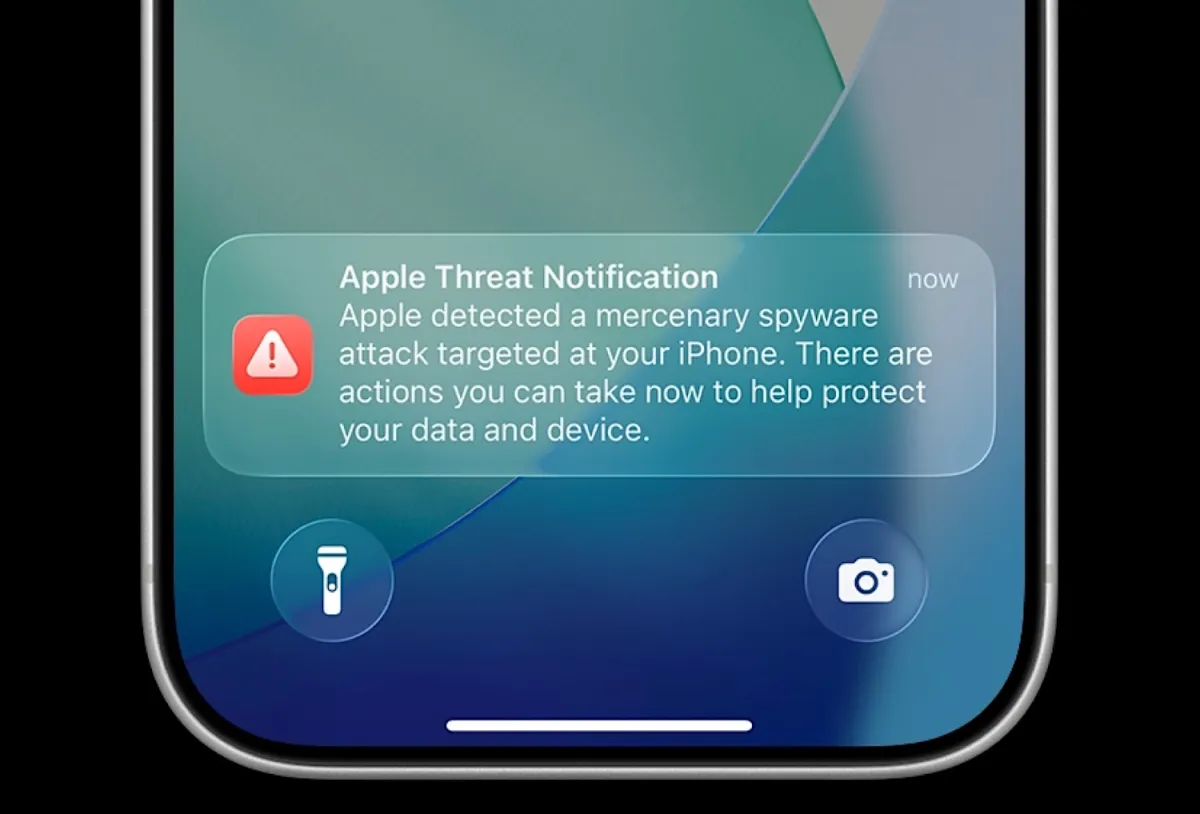
Germany’s Federal Office for Information Security (BSI) has issued an urgent warning to members of the Bundestag and other notable public figures, stating that their iPhones may have been compromised by sophisticated spyware. This announcement follows a wave of threat notifications sent by Apple, which alerted users that their devices were targeted by mercenary spyware. The BSI clarified that while it cannot confirm whether the attackers successfully breached the devices, recipients should assume their phones are compromised and take immediate defensive measures.
The alerts began reaching users on October 29. Apple’s notifications indicate that the spyware detected was likely used by state actors to target specific individuals. This type of malicious software often relies on zero-click exploits, which allow hackers to infiltrate a device without the user needing to click a link or open a file. Such attacks can steal messages, location data, and other sensitive information, posing a severe risk to privacy and national security.
Government Response and Advice
In response to the growing threat, the BSI sent a direct note to Bundestag members on October 30, urging them to contact the agency if they received Apple’s warning. Government spokesperson Stefan Kornelius told the Financial Times that the German government is taking the incident and the warning very seriously. However, he declined to specify which members of the federal government were targeted, leaving open the possibility that high-ranking officials, including Chancellor Friedrich Merz, may be among those affected.
The BSI has provided specific guidance for those who receive Apple’s threat notifications. The agency recommends that individuals update their phone’s software immediately to patch known vulnerabilities. Additionally, the BSI advises switching on Apple’s Lockdown Mode and keeping it enabled, even on new devices. This mode is designed to make new attacks more difficult, although the agency noted that it does not remove an existing infection. For individuals who judge the risk to be particularly high, the BSI suggests considering a forensic analysis of the device.
Global Scope and Implications
The spyware campaign is not limited to Germany. Apple’s threat notifications have reached users in 99 countries, indicating a widespread and coordinated effort by state-backed actors to target journalists, politicians, and activists globally. The use of mercenary spyware, which is commercially built but often acquired by governments, has raised concerns about the erosion of digital privacy and the increasing sophistication of cyber espionage.
The BSI’s warning underscores the vulnerability of even the most secure consumer devices to advanced persistent threats. The fact that German lawmakers were targeted highlights the strategic importance of political figures in modern cyber warfare. As the investigation continues, the German government is likely to face pressure to strengthen its cybersecurity infrastructure and provide more support to those affected by the attacks.
Key takeaways
- Germany’s BSI warns Bundestag members and public figures that their iPhones may be compromised by mercenary spyware.
- Apple’s alerts, starting October 29, indicate attacks using zero-click exploits that can steal sensitive data.
- The BSI advises immediate software updates and enabling Lockdown Mode to mitigate further risk.
- Government spokesperson Stefan Kornelius confirms the seriousness of the incident but does not confirm specific targets.
- The campaign is global, affecting users in 99 countries and raising concerns about state-backed cyber espionage.
Sources
The WireByte editorial team synthesises technology news from multiple primary sources, verifies the facts, and links every source. Articles are produced with AI assistance and reviewed under our editorial policy.