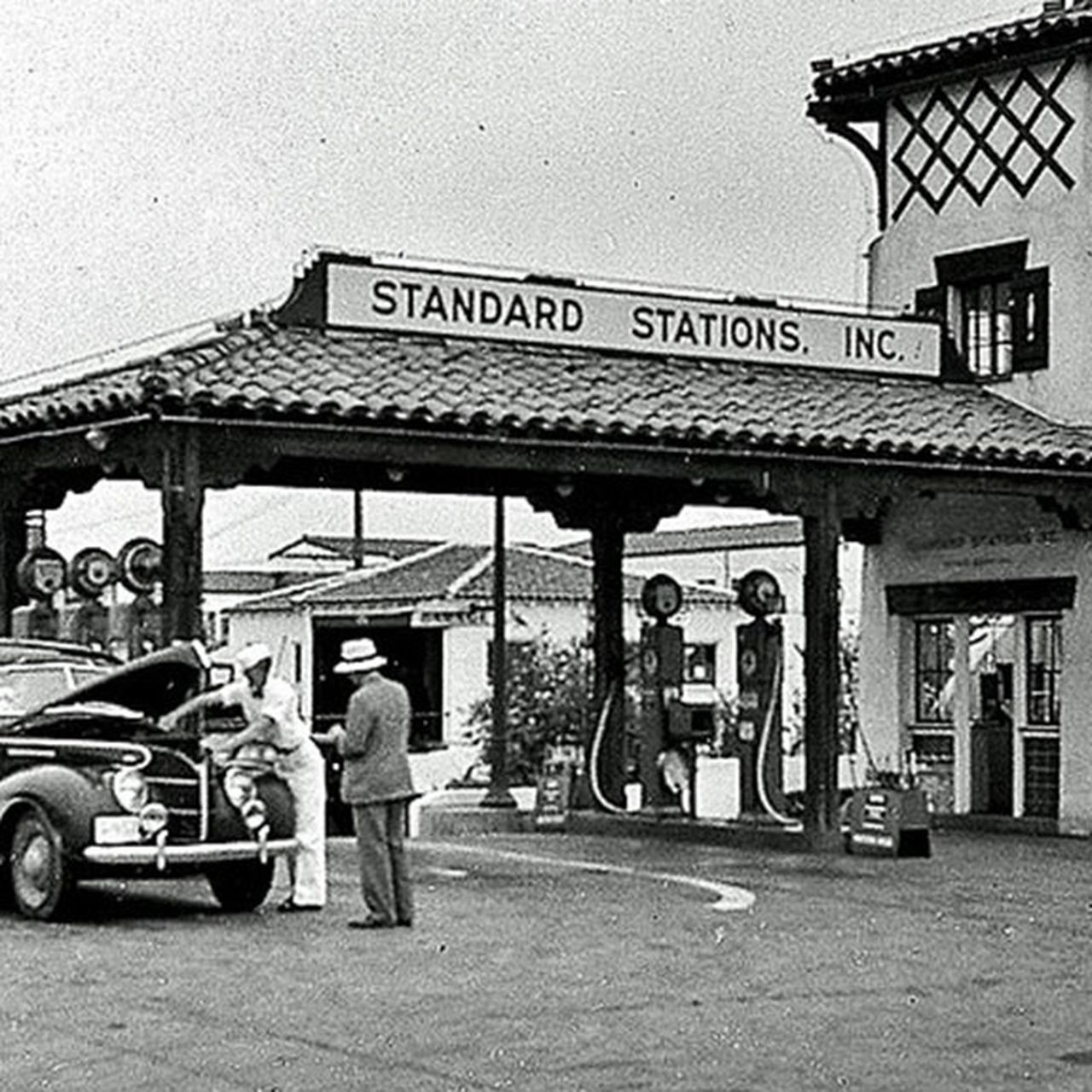
General Motors' 1921 Lead Gasoline Discovery Sparks Global Health Concerns
General Motors engineer Thomas Midgley Jr. introduced tetraethyl lead, a highly toxic compound, to gasoline in 1921. This decision led to widespread lead poisoning, and its effects continue to impact global health today. The additive was used for over 50 years before being phased out in the 1970s.
Key points
- Thomas Midgley Jr., a General Motors engineer, introduced tetraethyl lead, a highly toxic compound, to gasoline in 1921.
- The additive was used for over 50 years before being phased out in the 1970s due to its toxic effects on human health.
- Tetraethyl lead was a known poison at the time of its introduction, and its use led to widespread lead poisoning.
- The effects of lead poisoning continue to impact global health today, particularly in urban areas with high levels of air pollution.
- Regulatory efforts and public awareness campaigns have raised awareness about the dangers of lead poisoning and led to the development of safer alternatives.
The introduction of tetraethyl lead to gasoline in 1921 by General Motors engineer Thomas Midgley Jr. has had far-reaching consequences for global health. Despite being a known poison at the time, the additive was widely used for over 50 years before being phased out in the 1970s due to its toxic effects on human health.
The use of tetraethyl lead led to widespread lead poisoning, particularly in urban areas with high levels of air pollution. The effects of lead poisoning continue to impact global health today, with studies showing a link between lead exposure and a range of health problems, including developmental delays, learning disabilities, and increased risk of cardiovascular disease.
Regulatory efforts and public awareness campaigns have raised awareness about the dangers of lead poisoning and led to the development of safer alternatives. However, the legacy of tetraethyl lead continues to be felt, and efforts to address the ongoing health impacts of lead exposure remain a pressing global health concern.
In the years following the introduction of tetraethyl lead, public health officials and scientists sounded the alarm about the dangers of lead poisoning. However, it wasn't until the 1970s, when the US Environmental Protection Agency (EPA) banned the use of lead in gasoline, that the additive was finally phased out.
Today, the use of tetraethyl lead is largely a relic of the past, but its impact on global health continues to be felt. As the world continues to grapple with the challenges of air pollution and lead exposure, the story of tetraethyl lead serves as a cautionary tale about the importance of prioritizing public health and safety in the face of technological innovation.
Sources
The WireByte editorial team synthesises technology news from multiple primary sources, verifies the facts, and links every source. Articles are produced with AI assistance and reviewed under our editorial policy.