Former Nvidia CEO Jensen Huang to Testify Before Congress on National Security Concerns
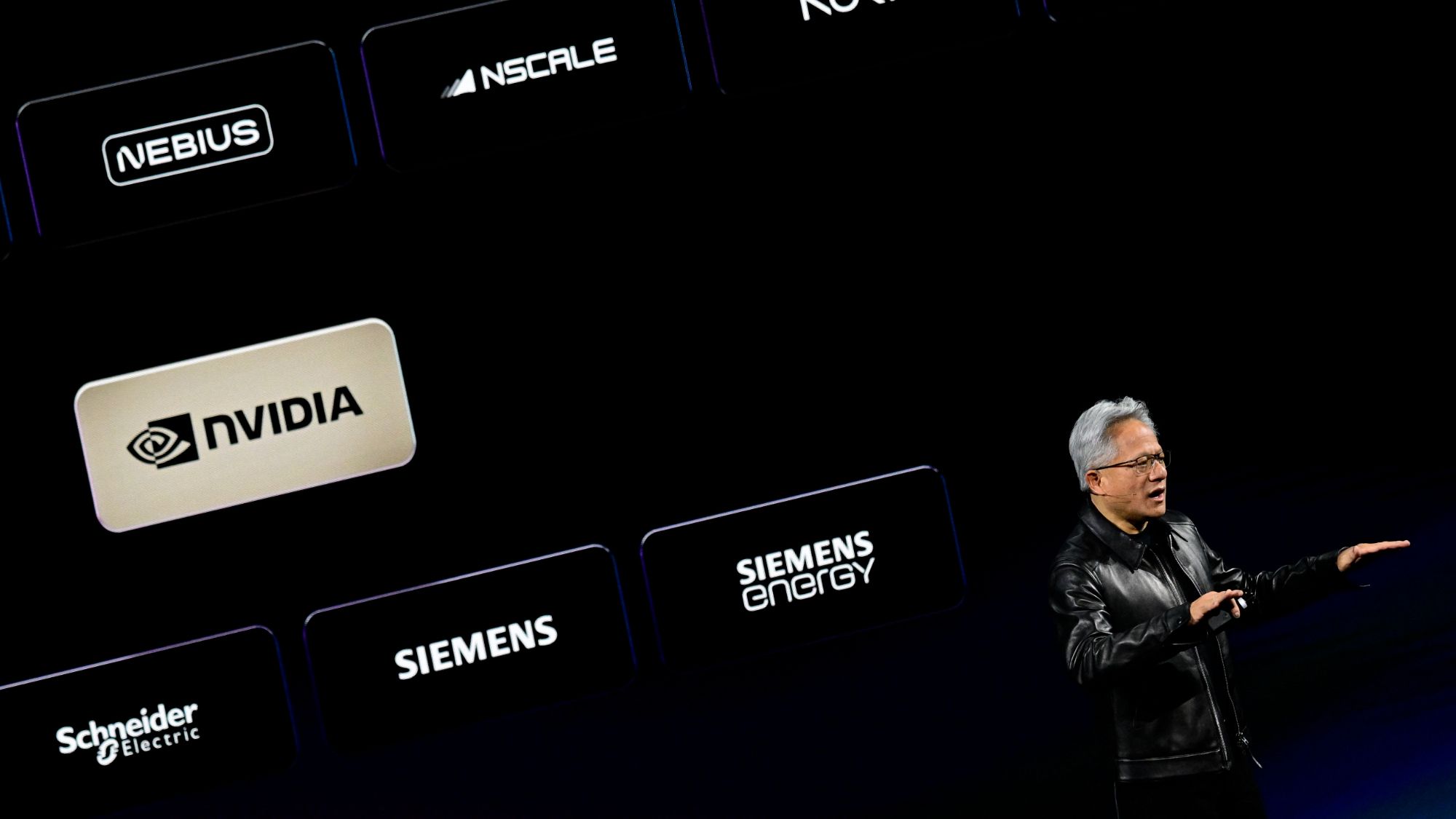
Former Nvidia CEO Jensen Huang will testify before three House committees on December 1 regarding a potential national security breach linked to his affair with a suspected Chinese spy. General Counsel Tim Teter is scheduled to appear on December 2. Lawmakers seek answers on whether Chinese actors accessed advanced AI chips, despite Trump administration export bans.
Key points
- Jensen Huang, the former chief executive officer of Nvidia, is scheduled to testify before the House Foreign Affairs, Intelligence, and Select Committee on the Chinese Communist Party on December 1.
- The hearings address concerns that Huang's extramarital affair with Alice Huang, a woman accused of being a Chinese intelligence asset, may have compromised national security.
- Nvidia General Counsel Tim Teter will provide a closed-door transcribed interview on December 2 to clarify the company's role in the potential security breach.
- Congressmen Brian Mast, John Moolenaar, and Rick Crawford stated the American people need answers regarding dangerous access to advanced artificial intelligence chips by People's Republic of China actors.
- Huang resigned in November after admitting to the affair, following a warning from lawmakers that he could face a subpoena if he did not agree to the closed-door meeting.
Congressional Inquiries Intensify
Former Nvidia CEO Jensen Huang is set to appear before multiple House committees on December 1, marking a significant escalation in the political fallout from his recent resignation. The hearings will focus on a potential breach of national security stemming from Huang's extramarital affair with Alice Huang, a woman who has been accused by authorities of being a Chinese spy. This development follows a period of intense speculation and pressure from Washington, as lawmakers seek to understand the extent to which sensitive technology and corporate secrets may have been compromised.
The summons comes after a letter issued on November 9 by congressional leaders, which warned Huang that he could face a subpoena if he failed to cooperate. The threat of compulsory testimony was issued just 24 hours after Huang publicly admitted to the affair with Alice Huang and two other Nvidia employees. The situation has drawn the attention of the highest levels of the U.S. government, given Nvidia's pivotal role in the global artificial intelligence supply chain and the strategic importance of its hardware.
Key Lawmakers and Committee Roles
The hearings will be conducted by three powerful House committees: the Foreign Affairs Committee, the Intelligence Committee, and the Select Committee on the Chinese Communist Party. Leading the inquiry are Representatives Brian Mast of Florida, John Moolenaar of Michigan, and Rick Crawford of Arkansas, who serve as the chairs of these respective bodies. Their joint statement emphasized the gravity of the situation, noting that the American people require clear answers regarding the company's handling of national security risks.
The lawmakers highlighted the specific danger posed by the potential access of People's Republic of China actors to Nvidia's most advanced chips. These semiconductors are critical components in the global artificial intelligence boom, powering everything from data centers to advanced military applications. The concern is not merely corporate governance but the broader implications for U.S. technological supremacy and national defense in an era of intensifying geopolitical rivalry with Beijing.
Corporate Leadership and Legal Response
In addition to Jensen Huang, Nvidia General Counsel Tim Teter has agreed to appear for a closed-door transcribed interview on December 2. This separate session is designed to provide legal and procedural context to the allegations. The inclusion of the company's top lawyer suggests that investigators are looking closely at internal protocols and whether proper safeguards were in place to prevent the alleged security breach.
Nvidia's leadership transition occurred in November, following the public revelation of the scandal. Jensen Huang stepped down as CEO, a move that underscored the severity of the allegations. The company has faced intense scrutiny over its business practices and its interactions with international markets, particularly in light of existing restrictions on technology exports to China.
Regulatory Context and Market Implications
The hearings take place against a backdrop of strict U.S. export controls. The Trump administration has prohibited the selling of advanced artificial intelligence chips to China, aiming to curb Beijing's technological and military advancements. The central question for the congressional committees is whether Nvidia's internal security measures were sufficient to enforce these bans, or if the personal conduct of its former leader created a loophole that allowed restricted technology to fall into the hands of foreign intelligence assets.
Lawmakers have expressed frustration with the lack of transparency in the early stages of the investigation. The threat of a subpoena was a clear signal that Congress was prepared to use its coercive powers to extract information. The fact that Huang has now agreed to testify without the need for legal compulsion may indicate a strategic decision by the former CEO to cooperate and mitigate further political damage.
What Happens Next
The December 1 and 2 appearances will likely set the tone for any subsequent legislative or regulatory actions. The testimony will be closely watched by the technology sector, investors, and international allies. If the hearings reveal significant lapses in security, Nvidia could face stricter oversight, fines, or changes in its governance structure. Conversely, if the company can demonstrate that no sensitive data was compromised, the political pressure may subside.
The outcome of these hearings will have lasting implications for how American tech giants manage the intersection of corporate leadership, personal conduct, and national security. As the world's leading supplier of AI hardware, Nvidia's practices serve as a benchmark for the industry. Any revelations regarding the ease with which a suspected spy could gain access to the company's inner circles will likely lead to calls for tighter security protocols across the sector.
Key takeaways
- Jensen Huang, former CEO of Nvidia, will testify before three House committees on December 1 regarding national security concerns.
- The inquiry stems from Huang's affair with Alice Huang, a woman accused of being a Chinese intelligence asset.
- Nvidia General Counsel Tim Teter will provide a closed-door interview on December 2 to address corporate security protocols.
- Lawmakers Brian Mast, John Moolenaar, and Rick Crawford are leading the investigation into potential unauthorized access to advanced AI chips.
- The hearings address violations of U.S. export bans on advanced semiconductors to China, a policy enforced by the Trump administration.
- Huang resigned in November after admitting to the affair, following warnings from Congress that he could face a subpoena.
Sources
The WireByte editorial team synthesises technology news from multiple primary sources, verifies the facts, and links every source. Articles are produced with AI assistance and reviewed under our editorial policy.