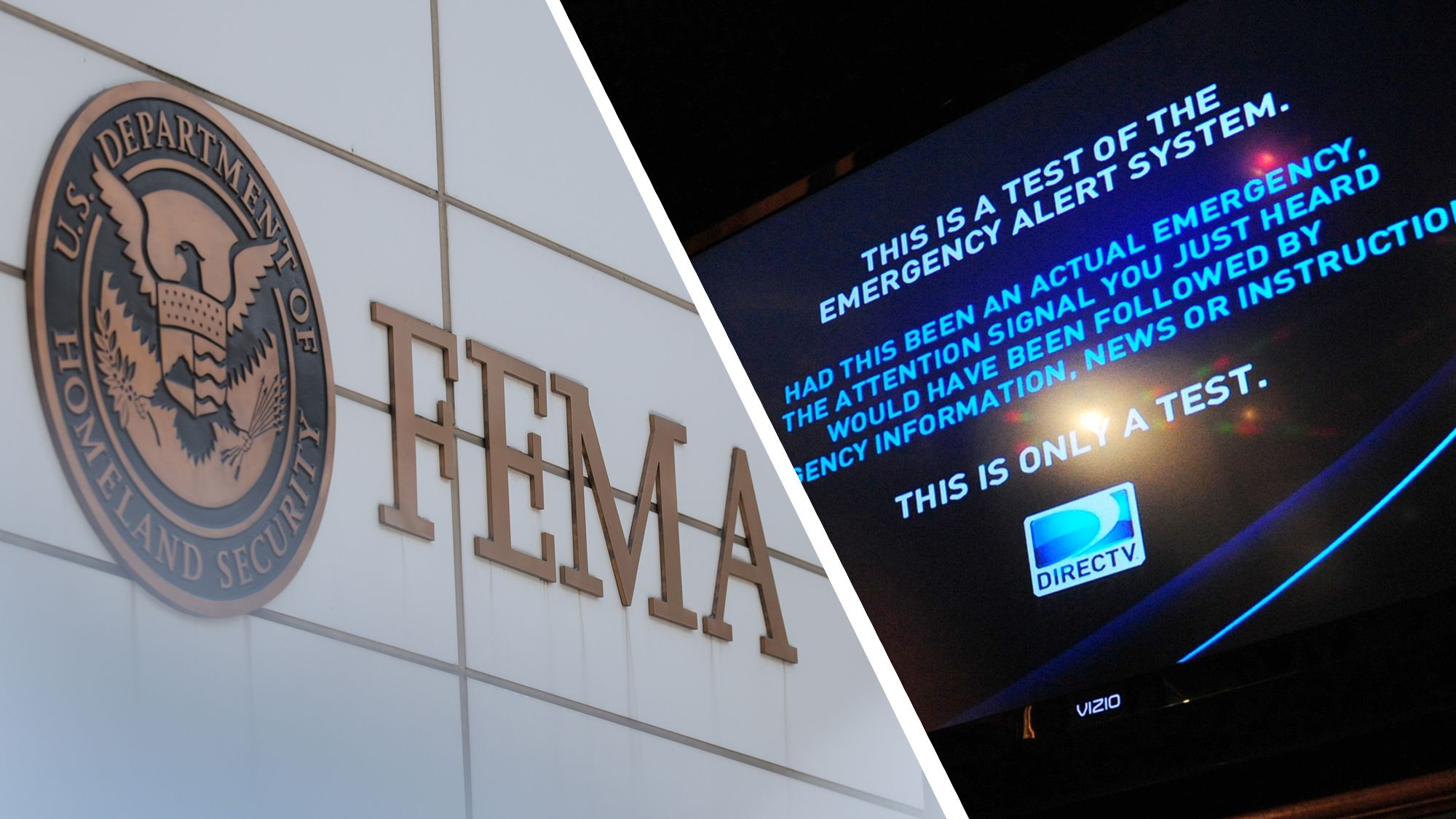
FEMA and FCC Conduct Nationwide Emergency Alert System Test on TV and Radio
FEMA and the FCC are conducting a mandatory, triennial test of the Emergency Alert System (EAS) on November 17, 2026, at 2:20 PM ET. The one-minute interruption affects radio, television, cable, and satellite providers nationwide. Mobile phones remain unaffected as they utilize separate alert infrastructure. The exercise aims to verify system functionality and identify technical issues ahead of potential real-world emergencies.
Key points
- The Federal Emergency Management Agency (FEMA) and the Federal Communications Commission (FCC) are jointly conducting a mandatory triennial test of the Emergency Alert System (EAS).
- The test is scheduled for 2:20 PM ET on November 17, 2026, and will last approximately one minute across all US time zones.
- Broadcasters including radio, television, cable, satellite, and wireline video providers will interrupt regular programming to transmit the alert tone and message.
- Mobile phone users will not receive the alert as the test does not engage the Wireless Emergency Alerts (WEA) system used by cell carriers.
- The exercise is a legally required routine check to identify technical and operational flaws in the national alert infrastructure.
- If a genuine emergency occurs on this date, the test will be postponed to December 3, 2026, to avoid confusion.
Mandatory Triennial Exercise
The Federal Emergency Management Agency (FEMA) and the Federal Communications Commission (FCC) have announced a nationwide test of the Emergency Alert System (EAS) scheduled for Tuesday, November 17, 2026. This exercise is a legally mandated requirement that occurs every three years to ensure the continued functionality of the national warning infrastructure. The test is designed to verify that broadcast and cable systems can effectively transmit emergency messages to the public in the event of a genuine crisis.
Broadcast Interruption Details
At precisely 2:20 PM Eastern Time, which corresponds to 11:20 AM Pacific Time, radio and television broadcasts across the United States will be briefly interrupted. The interruption is expected to last for approximately one minute. During this window, all participating media outlets, including traditional radio and television broadcasters, cable systems, satellite radio and television providers, and wireline video providers, will cease normal programming to relay the test signal.
The alert will consist of a high-pitched tone followed by a specific text message. The message reads: "This is a nationwide test of the Emergency Alert System, issued by the Federal Emergency Management Agency. This is only a test. No action is required by the public." Once the minute-long test concludes, all affected channels will resume their regular programming immediately.
Exclusion of Mobile Networks
A key distinction of this specific test is that it does not involve mobile phones. The Emergency Alert System primarily governs traditional broadcast media, whereas wireless devices utilize a separate infrastructure known as Wireless Emergency Alerts (WEA). Consequently, cell phone users will not receive any notification, vibration, or sound related to this test. This separation ensures that the capabilities of the broadcast network can be tested independently of cellular carrier systems.
Purpose and Operational Significance
FEMA conducts these tests during periods without active emergencies to identify potential technical and operational issues within the EAS. By simulating an alert, officials can verify that the chain of command for issuing warnings functions correctly and that the signal reaches all designated endpoints. This proactive maintenance is critical for ensuring that the system operates reliably when needed for severe weather events, natural disasters, or national security threats.
Contingency for Actual Emergencies
While the test is planned for November 17, FEMA has established a contingency protocol in case of a genuine emergency. If a real emergency or severe weather event occurs on this date that requires the activation of the EAS, the scheduled test will be postponed. In such a scenario, the test will be rescheduled to December 3, 2026. This ensures that the public is not confused by a test message during an actual crisis.
Addressing Public Concerns
Following previous communications outages and rumors regarding potential secret emergencies, officials have emphasized that this is a routine, scheduled exercise. There are no blackouts planned, and no secret emergencies are associated with the test. The primary goal is transparency and system verification. The FCC and FEMA have urged the public to remain calm and recognize the alert tone as a standard part of the triennial testing cycle.
Key takeaways
- FEMA and the FCC are conducting a mandatory EAS test on November 17, 2026, at 2:20 PM ET.
- The one-minute test interrupts radio, TV, cable, satellite, and wireline video providers nationwide.
- Mobile phones are not affected as they use the separate Wireless Emergency Alerts system.
- The test verifies technical functionality and identifies operational issues in the alert infrastructure.
- If a real emergency occurs on November 17, the test will be postponed to December 3.
- The exercise is a routine legal requirement with no secret agendas or actual crises involved.
Sources
The WireByte editorial team synthesises technology news from multiple primary sources, verifies the facts, and links every source. Articles are produced with AI assistance and reviewed under our editorial policy.