Consumer Privacy Backlash Grows Over AI-Powered Smart Gadgets
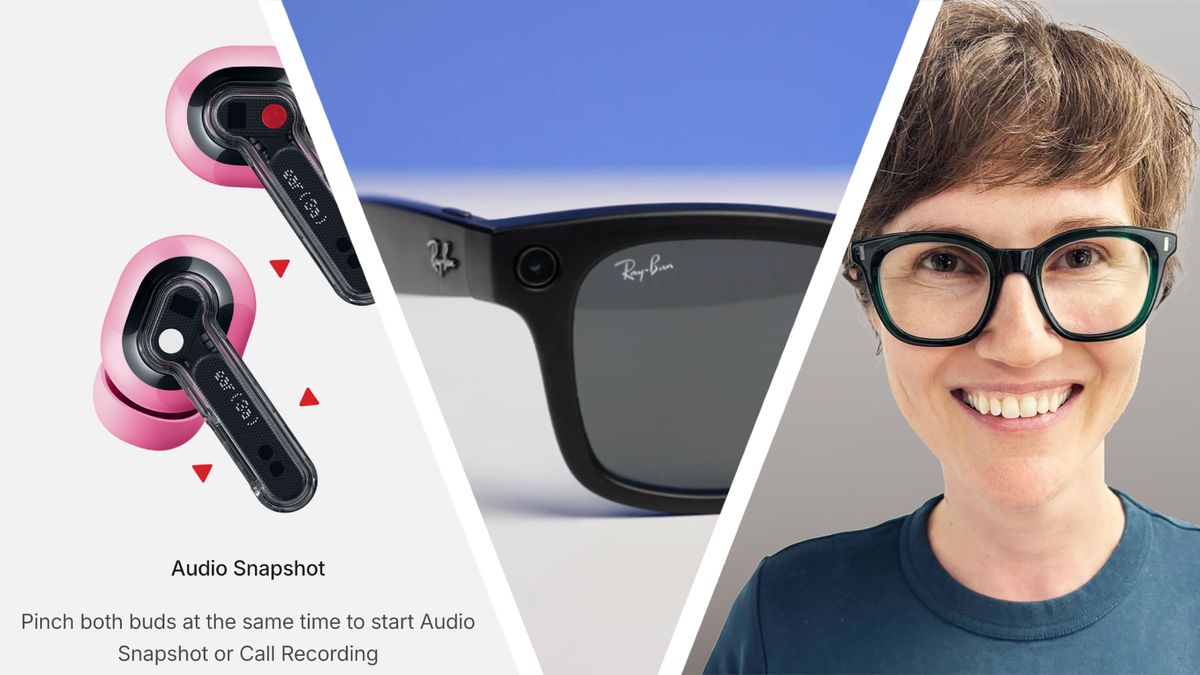
Consumers and digital rights advocates are pushing back against pervasive surveillance features embedded in everyday consumer electronics. Recent controversies involve LG televisions capable of background recording, Nothing earbuds featuring call-recording stems, and Meta smart glasses facing widespread public criticism for covert recording capabilities. Experts warn these developments normalize consumer tracking without explicit consent.
Key points
- LG has introduced new televisions equipped to record background audio and video, requiring users to notify household visitors to satisfy legal wiretapping standards.
- Consumer technology brand Nothing released earbuds featuring an Audio Snapshot function that permits call recording via stem manipulation.
- Meta faces persistent public backlash and security concerns regarding its AI-integrated smart glasses, despite implementing a recording blocker tied to the front indicator light.
- Lauren Hendry Parsons, communications director at the Mozilla Foundation, describes these implementations as a broader industry push to normalize consumer surveillance.
A growing wave of consumer resistance is emerging against everyday hardware embedded with ambient recording technology and artificial intelligence learning models. Recent product releases have sparked fresh debates regarding surveillance, consent, and user privacy in domestic and public spaces.
Among the debated devices are new television models from LG, which feature background recording capabilities and instruct owners to inform guests about potential audio capture to comply with wiretapping regulations. Additionally, consumer electronics brand Nothing has incorporated a feature dubbed Audio Snapshot into its latest earbuds, allowing users to record phone calls by squeezing the device stems.
Meanwhile, Meta continues to encounter severe criticism over its AI-powered smart glasses, which critics have labeled intrusive despite a hardware safeguard that halts recording if the device's front-facing indicator light is altered.
Digital rights advocates warn that these integrated tools represent a concerning industry trajectory. Lauren Hendry Parsons, communications director at the Mozilla Foundation, characterizes the trend as part of a systematic push by technology firms to normalize widespread consumer monitoring.
Sources
The WireByte editorial team synthesises technology news from multiple primary sources, verifies the facts, and links every source. Articles are produced with AI assistance and reviewed under our editorial policy.