CGI Revolution in Film: Spielberg's Shift from Stop-Motion
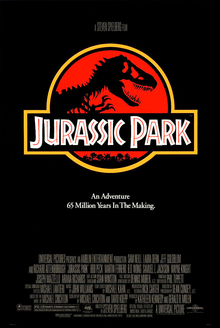
In 1993, director Steven Spielberg's Jurassic Park film marked a turning point in the film industry, as he opted for computer-generated imagery (CGI) over traditional stop-motion techniques. This shift, driven by the work of Industrial Light & Magic's digital artists, led to a significant change in the industry's visual effects landscape.
Key points
- Director Steven Spielberg hired stop-motion master Phil Tippett for Jurassic Park, but later opted for computer-generated imagery (CGI) after seeing a proof-of-concept T-Rex test.
- The CGI shift was driven by the work of Industrial Light & Magic's digital artists, led by visual effects supervisor Dennis Muren.
- Phil Tippett's go-motion technique was set to be used for the film's full-body dinosaurs, but was ultimately replaced by CGI.
- The shift to CGI marked a significant change in the film industry's visual effects landscape.
The 1993 film Jurassic Park, directed by Steven Spielberg, marked a significant turning point in the film industry. The film's use of computer-generated imagery (CGI) revolutionized the way visual effects were created in films. Prior to the film's production, Spielberg had hired stop-motion master Phil Tippett to bring the film's full-body dinosaurs to life using his go-motion technique.
However, after seeing a proof-of-concept T-Rex test created by Industrial Light & Magic's digital artists, led by visual effects supervisor Dennis Muren, Spielberg decided to opt for CGI instead. This shift marked a significant change in the industry's visual effects landscape.
For Phil Tippett, the shift to CGI was a devastating blow. He had already selected a crew of thirty and was gearing up for the massive go-motion assignment. The anxiety of becoming obsolete is a sentiment that many in the industry can relate to, particularly in the digital age.
The shift to CGI has had a lasting impact on the film industry, and it continues to evolve to this day. As the industry continues to push the boundaries of what is possible with CGI, it is clear that the future of visual effects is bright.
Sources
The WireByte editorial team synthesises technology news from multiple primary sources, verifies the facts, and links every source. Articles are produced with AI assistance and reviewed under our editorial policy.