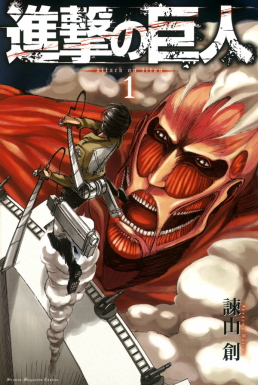
Attack on Titan's Decline
Attack on Titan's quality declined before its controversial ending, with some fans citing a shift from survival horror to magical spectacle as the turning point, affecting its global fanbase
Key points
- Attack on Titan, a popular anime series, started with a strong premise of humanity fighting against giant creatures
- The series took a turn for some fans with the introduction of complex lore and magical elements, such as Rod Reiss' transformation
- Some fans, like the author, felt the series lost its focus on survival horror and became too spectacle-driven
- The decline in quality led to a divisive reaction among fans, with some defending the series' evolution and others criticizing its direction
- The series' global fanbase was affected, with some fans, like the author, losing interest over time
Attack on Titan, a once-beloved anime series, has been a topic of discussion among fans due to its perceived decline in quality. The series, which started with a strong premise of humanity fighting against giant creatures, took a turn for some fans with the introduction of complex lore and magical elements. For some, the moment Rod Reiss transformed into a malformed kaiju creature marked a shift away from the series' survival horror roots. The series' decline in quality has led to a divisive reaction among fans, with some defending the series' evolution and others criticizing its direction. As a result, the series' global fanbase has been affected, with some fans losing interest over time.
Sources
The WireByte editorial team synthesises technology news from multiple primary sources, verifies the facts, and links every source. Articles are produced with AI assistance and reviewed under our editorial policy.