Apple Unveils M6 Macs at Unchanged Prices Amid Broader Hikes
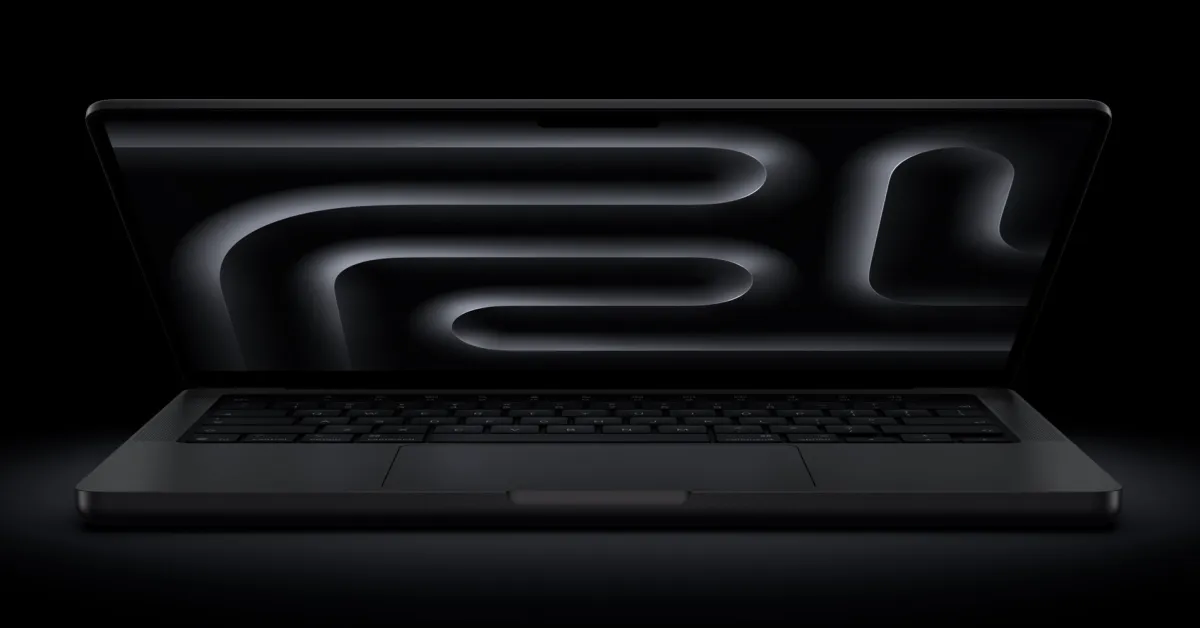
Apple released M6-powered iMac and 14-inch MacBook Pro models with prices matching previous generations, contrasting with recent hikes across other product lines. The base iMac now features a 10-core CPU and GPU, up from eight cores, while the MacBook Pro retains its starting price point. This move highlights a selective pricing strategy within Apple's current hardware refresh cycle.
Key points
- Apple launched new M6-powered iMac and 14-inch MacBook Pro models, maintaining the same starting prices as their predecessors.
- The base model iMac now includes a 10-core CPU and 10-core GPU, an upgrade from the previous generation's 8-core configuration.
- This pricing strategy contrasts sharply with Apple's June price increases, which affected the HomePod mini, Apple TV 4K, and iPad mini.
- The HomePod mini price rose from $99 to $129 in June and now starts at $149, while the Apple TV 4K jumped from $129 to $199 and now begins at $299.
- The iPad mini price increased from $499 to $599 in June and now starts at $699 for the new OLED model.
- Analysts view the unchanged Mac prices as a strategic exception to the broader trend of price hikes observed across Apple's consumer electronics lineup.
Apple Maintains Mac Pricing Amid Broader Increases
Apple has officially announced the latest iterations of its Mac lineup, featuring the new M6 chip. In a departure from recent trends within its product ecosystem, the company has kept the starting prices for the new iMac and 14-inch MacBook Pro identical to those of the previous generation. This decision stands in stark contrast to the significant price hikes Apple implemented earlier this year across several other categories of its hardware portfolio. The announcement marks a notable shift in Apple's pricing strategy for its professional and consumer desktop and laptop computers.
Spec Upgrades Without Cost Increases
The new M6-powered devices offer enhanced performance specifications while retaining their previous price points. For the iMac, the base model now comes equipped with a 10-core CPU and a 10-core GPU. This represents a tangible upgrade from the previous generation, which utilized an M4 chip featuring an 8-core CPU and an 8-core GPU. Buyers of the iMac are thus receiving increased computational power and graphical capability without any additional financial burden. The 14-inch MacBook Pro also benefits from the M6 chip's improved efficiency and speed, though specific core counts for the base model were not highlighted as aggressively as the iMac's upgrade. The retention of previous pricing suggests Apple may be prioritizing market share or customer loyalty in the Mac segment compared to other product lines.
Context of Recent Price Hikes
The decision to hold Mac prices steady is particularly notable when viewed against the backdrop of Apple's pricing actions in June of this year. During that period, the company raised prices across a broad swath of its product lineup. The iMac itself saw a price increase from $1,299 to $1,499 in June. Similarly, the 14-inch MacBook Pro price rose from $1,699 to $1,999. These increases were part of a wider strategy that affected multiple devices, signaling a shift in Apple's approach to cost management and profit margins. The current announcement effectively reverses the trajectory for these specific models, offering a reprieve to consumers who had adjusted their budgets following the June updates.
Other Products See Continued Increases
While the Mac lineup sees price stability, other Apple products continue to experience significant cost increases. The HomePod mini, which had already risen from $99 to $129 in June, now starts at $149 with the release of its second-generation model. This represents a cumulative increase that reflects ongoing adjustments in manufacturing or component costs. The Apple TV 4K has also seen substantial price jumps. After moving from $129 to $199 in June, the new generation of the device now starts at $299, although it does offer double the storage capacity. These increases suggest that the price hikes are not isolated incidents but part of a broader economic adjustment affecting Apple's entire hardware division.
iPad Mini and iPhone Implications
The trend of rising prices extends to Apple's mobile devices as well. The iPad mini, which saw its price increase from $499 to $599 in June, now starts at $699 for the new OLED model. This significant jump highlights the premium being placed on newer display technologies and updated internal components. While the provided sources do not detail specific price changes for the latest iPhone models in this immediate context, the pattern suggests that Apple is leveraging new technologies and supply chain adjustments to drive up average selling prices across its ecosystem. The Mac's price stability may be an anomaly rather than a return to previous norms.
Market and Consumer Reaction
The divergent pricing strategies within Apple's product lines have drawn attention from industry observers. The unchanged prices for the M6 Macs are being viewed as a strategic move to maintain competitiveness in the professional and creative markets, where alternatives from other manufacturers are increasingly aggressive. In contrast, the continued price hikes for home and mobile devices may test consumer willingness to pay premium prices for incremental upgrades. The market's reaction will likely depend on whether the performance gains in the M6 chip justify the cost for Mac users, and whether the increased costs for other devices dampen demand. As Apple navigates these economic pressures, its ability to balance price increases with perceived value will remain a critical factor in its future success.
Key takeaways
- Apple released M6-powered iMac and 14-inch MacBook Pro models at unchanged starting prices.
- The base iMac now features a 10-core CPU and GPU, up from the previous 8-core configuration.
- This pricing contrasts with June hikes that affected the HomePod mini, Apple TV 4K, and iPad mini.
- The HomePod mini now starts at $149, while the Apple TV 4K begins at $299.
- The iPad mini price increased to $699 for the new OLED model, continuing the upward trend.
- Analysts view the Mac pricing as a strategic exception to the broader price hike trend in Apple's ecosystem.
Sources
The WireByte editorial team synthesises technology news from multiple primary sources, verifies the facts, and links every source. Articles are produced with AI assistance and reviewed under our editorial policy.