Apple Launches Touchscreen MacBook Pro with PROLED XDR Display
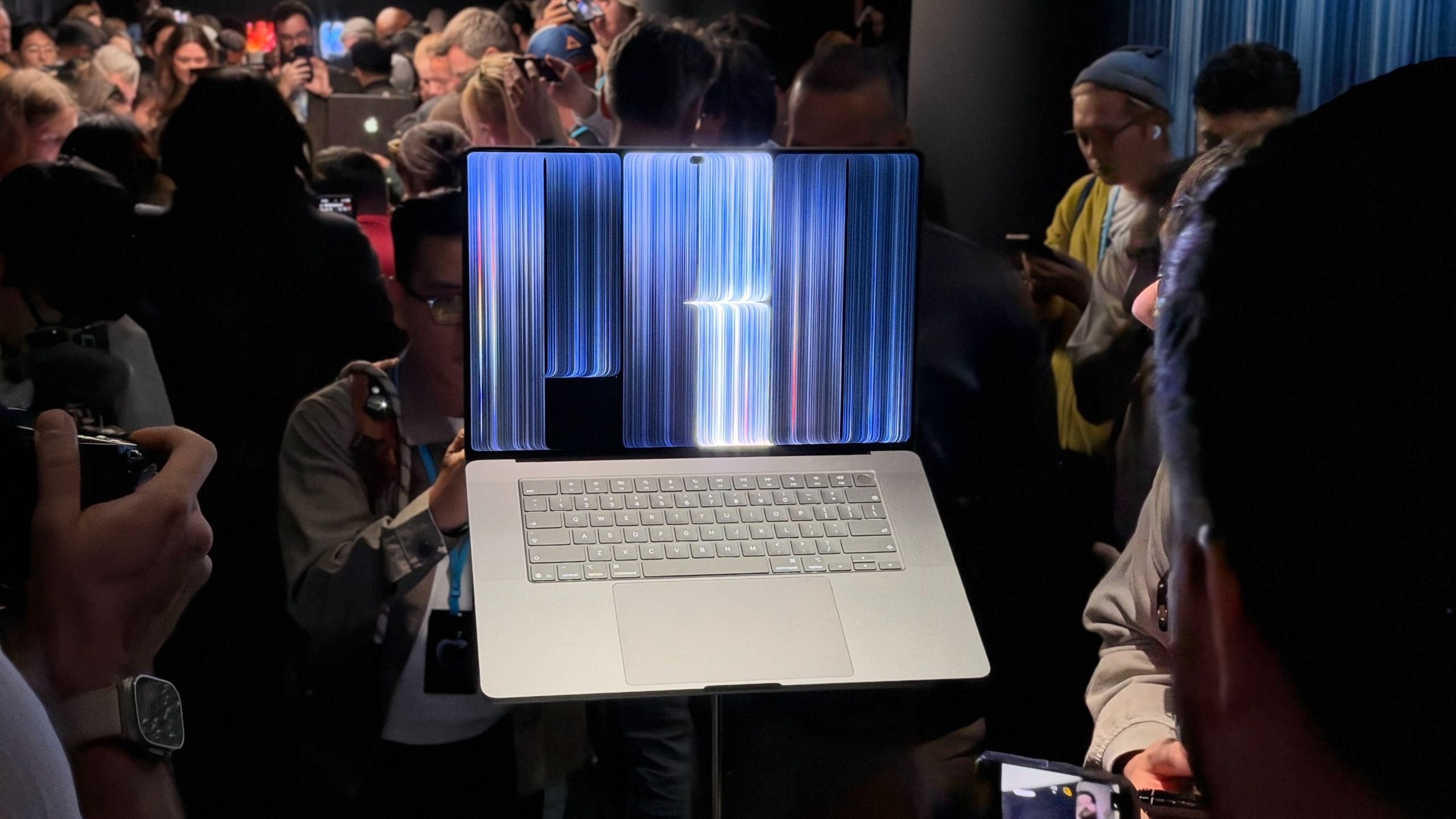
Apple has released the first touchscreen MacBook Pro laptops, featuring a new PROLED XDR display. Utilizing tandem OLED technology, the screens offer high brightness and reduced burn-in risk. Pre-orders are open for November 6 shipping, targeting creative professionals with advanced color accuracy and adaptive pixel management.
Key points
- Apple has unveiled the first MacBook Pro models with touchscreen capabilities, available in 14-inch and 16-inch sizes.
- The new PROLED XDR display uses tandem OLED technology, stacking two organic light-emitting diode layers per pixel.
- The technology aims to solve previous OLED limitations, including low brightness, off-axis color shift, and screen burn-in.
- Pre-orders are currently open with shipping scheduled to begin on November 6.
- The devices target creative professionals with high peak HDR brightness and adaptive pixel usage features.
A New Era for Mac Displays
Apple has officially introduced the latest iteration of its MacBook Pro lineup, marking a significant departure from its traditional design philosophy by integrating touchscreen functionality for the first time. Alongside this interface change, the company has debuted a new display technology branded as PROLED XDR. This move signals a strategic shift in how Apple approaches laptop screens, aiming to bridge the gap between professional desktop-grade displays and the interactive capabilities found in tablets and smartphones. The new models are designed to appeal directly to photographers, video editors, and digital artists who require precise color reproduction and high dynamic range visuals.
Inside the PROLED XDR Technology
At the core of the new display is tandem OLED technology, a method Apple previously utilized in the iPad Pro but has now adapted for laptops. Unlike single-layer OLED panels, the PROLED XDR screen employs two layers of organic light-emitting diodes for each pixel. This dual-layer structure allows the display to achieve significantly higher brightness levels while distributing the workload across the layers. By reducing the intensity required from each individual layer, Apple claims the technology extends the lifespan of the panel and mitigates the risk of burn-in, a common issue in OLED displays where static interface elements leave permanent images on the screen.
Addressing Historical OLED Limitations
Apple has historically avoided OLED technology in its MacBooks due to concerns over variable brightness, off-axis color shifting, and durability. The PROLED XDR branding is intended to signify that these traditional limitations have been overcome. The new panels offer high peak HDR brightness and improved color accuracy, particularly when viewed from angles other than directly in front. Additionally, the display engine adapts to the age and usage of individual pixels, further enhancing longevity. While the exact pixel arrangement appears to be triangular rather than the traditional striped RGB layout, Apple has not yet confirmed whether this affects text sharpness, a detail the company has been asked to clarify.
Market Availability and Pricing
The new touchscreen MacBook Pros are available in two sizes: 14-inch and 16-inch. Pre-orders are currently open for customers, with initial shipments scheduled to begin on November 6. The devices are positioned as premium tools for creative professionals, justifying their high price point through advanced display specifications and the novelty of touch input on a Mac. This launch represents a major evolution for the MacBook Pro line, combining the processing power of Apple’s latest chips with a display technology that rivals high-end external monitors.
Key takeaways
- Apple has released the first touchscreen MacBook Pro laptops, available in 14-inch and 16-inch variants.
- The PROLED XDR display utilizes tandem OLED technology with two organic layers per pixel for increased brightness and durability.
- The technology aims to eliminate previous OLED issues such as burn-in and off-axis color shift.
- Pre-orders are open now, with shipping expected to start on November 6.
- The devices are targeted at creative professionals requiring high color accuracy and HDR performance.
Sources
The WireByte editorial team synthesises technology news from multiple primary sources, verifies the facts, and links every source. Articles are produced with AI assistance and reviewed under our editorial policy.