Apple iPhone Duo Launches Amid Stock Shortages and Setup Guides
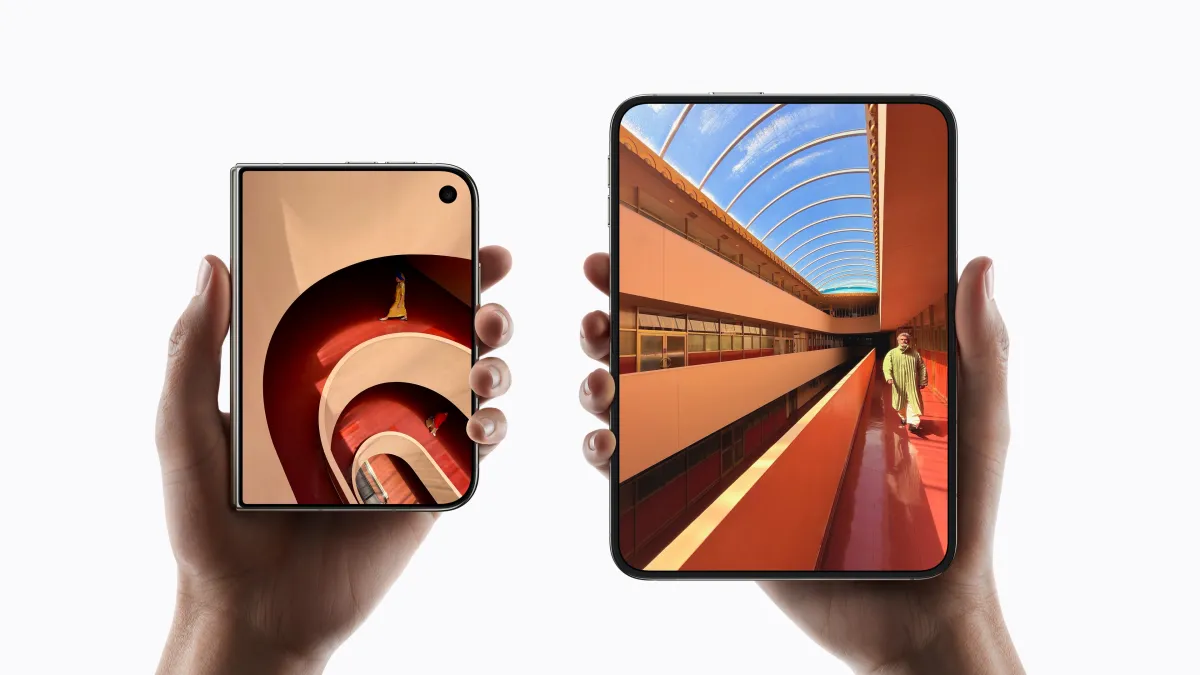
Apple has released the iPhone Duo, a foldable smartphone that relies on Touch ID rather than Face ID. The device is currently sold out due to high demand. Users are advised to register multiple fingerprints to accommodate various holding orientations. The launch marks Apple's entry into the foldable market with biometric authentication changes.
Key points
- Apple, the technology giant, has released the iPhone Duo, a new foldable smartphone that utilizes Touch ID for biometric authentication instead of Face ID.
- The device is currently unavailable for immediate purchase as Apple cannot keep the iPhone Duo in stock due to overwhelming consumer demand.
- Users are advised to register multiple fingerprints because the foldable design allows the device to be held in various horizontal and vertical orientations.
- The Touch ID sensor is located on the side of the device, requiring users to adjust their grip and usage habits compared to previous iPhone models.
- Early reviews suggest that adjusting specific settings can improve the user experience for everyday tasks such as unlocking the device and using Apple Pay.
- The launch represents a significant shift in Apple's hardware strategy by introducing a foldable form factor with distinct biometric requirements.
Apple Enters the Foldable Market with iPhone Duo
Apple has officially launched the iPhone Duo, a new foldable smartphone that marks a significant departure from the company's traditional rigid device design. The announcement has generated substantial interest in the tech community, with the device quickly selling out across major retailers. According to initial reports, Apple is struggling to maintain inventory levels, indicating that consumer demand for the new form factor has exceeded supply chain expectations. This scarcity has made the iPhone Duo one of the most sought-after consumer electronics items in the current market cycle.
Biometric Authentication Shifts to Touch ID
A notable feature of the iPhone Duo is its reliance on Touch ID rather than the Face ID technology found in recent iPhone models. The authentication sensor is located on the side of the device, requiring users to press a finger against the chassis to unlock the phone, access apps, and authorize Apple Pay transactions. This change necessitates a relearning of interaction habits for long-time iPhone users who have become accustomed to facial recognition. The absence of Face ID is a deliberate design choice, likely influenced by the structural constraints of the foldable screen mechanism.
User Adaptation and Setup Recommendations
Early adopters and tech reviewers have highlighted that the initial user experience may require adjustments to accommodate the new hardware layout. Because the device can be folded and held in multiple orientations, including horizontal and vertical positions, the side-mounted Touch ID button may be accessed by different fingers depending on how the phone is gripped. Experts recommend registering multiple fingerprints during the initial setup process to ensure seamless authentication regardless of the holding angle. This step is crucial for maintaining efficiency in daily tasks such as unlocking the device and making payments.
Impact on Daily Usage Patterns
The foldable design introduces new variables in how users interact with the smartphone interface. The smaller screen size when folded, combined with the varied holding positions, means that thumb reach and finger placement are more critical than in traditional slab-style smartphones. Users are encouraged to test various grips to determine which fingers can most easily reach the Touch ID sensor. This adaptation period is expected to be temporary, but it represents a significant shift in the physical interaction model of the iPhone ecosystem.
Market Implications and Future Outlook
The rapid sell-out of the iPhone Duo underscores the growing consumer appetite for foldable devices in the mainstream market. Apple's entry into this segment adds a major competitor to an already crowded field of foldable smartphones. The success of the iPhone Duo could influence future hardware designs across the industry, potentially accelerating the adoption of foldable screens in other product categories. However, the current stock shortages suggest that Apple may need to ramp up production significantly to meet global demand in the coming months.
Key Takeaways
- Apple has released the iPhone Duo, a foldable smartphone that uses Touch ID instead of Face ID.
- The device is currently sold out due to high demand and limited initial supply.
- Users should register multiple fingerprints to accommodate various holding orientations.
- The Touch ID sensor is located on the side of the device, requiring grip adjustments.
- The launch highlights Apple's strategic shift into the foldable hardware market.
- Stock shortages indicate strong consumer interest in the new form factor.
Sources
The WireByte editorial team synthesises technology news from multiple primary sources, verifies the facts, and links every source. Articles are produced with AI assistance and reviewed under our editorial policy.